Why Indoor Air Quality Matters
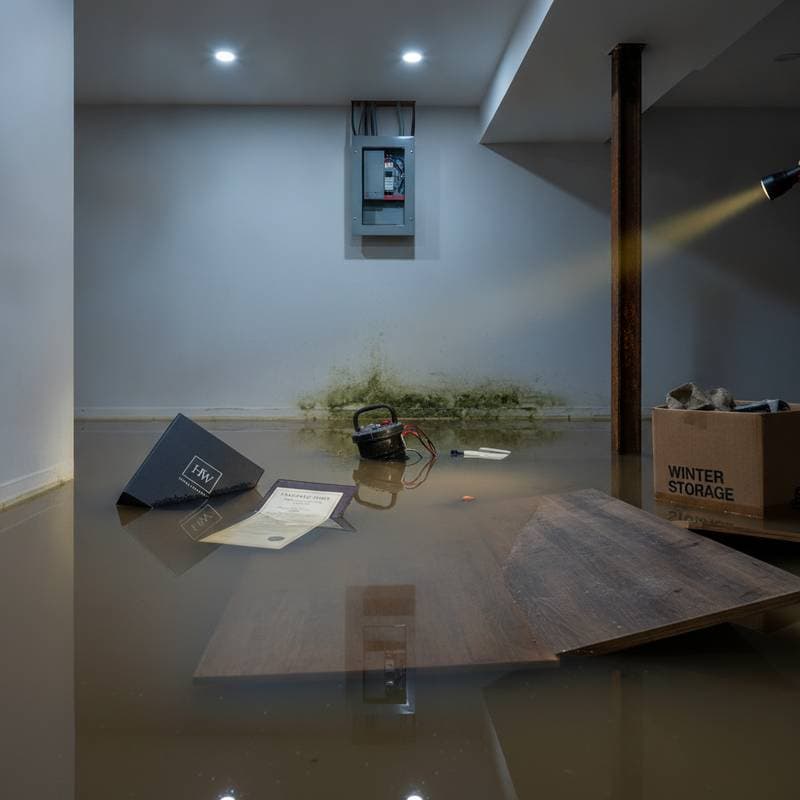
Indoor environments often trap pollutants at levels up to five times higher than outdoor air. Sources include dust, pet dander, cooking fumes, and volatile organic compounds from furniture and cleaners. Poor air quality can lead to respiratory issues, allergies, and fatigue, making upgrades essential for family well-being.
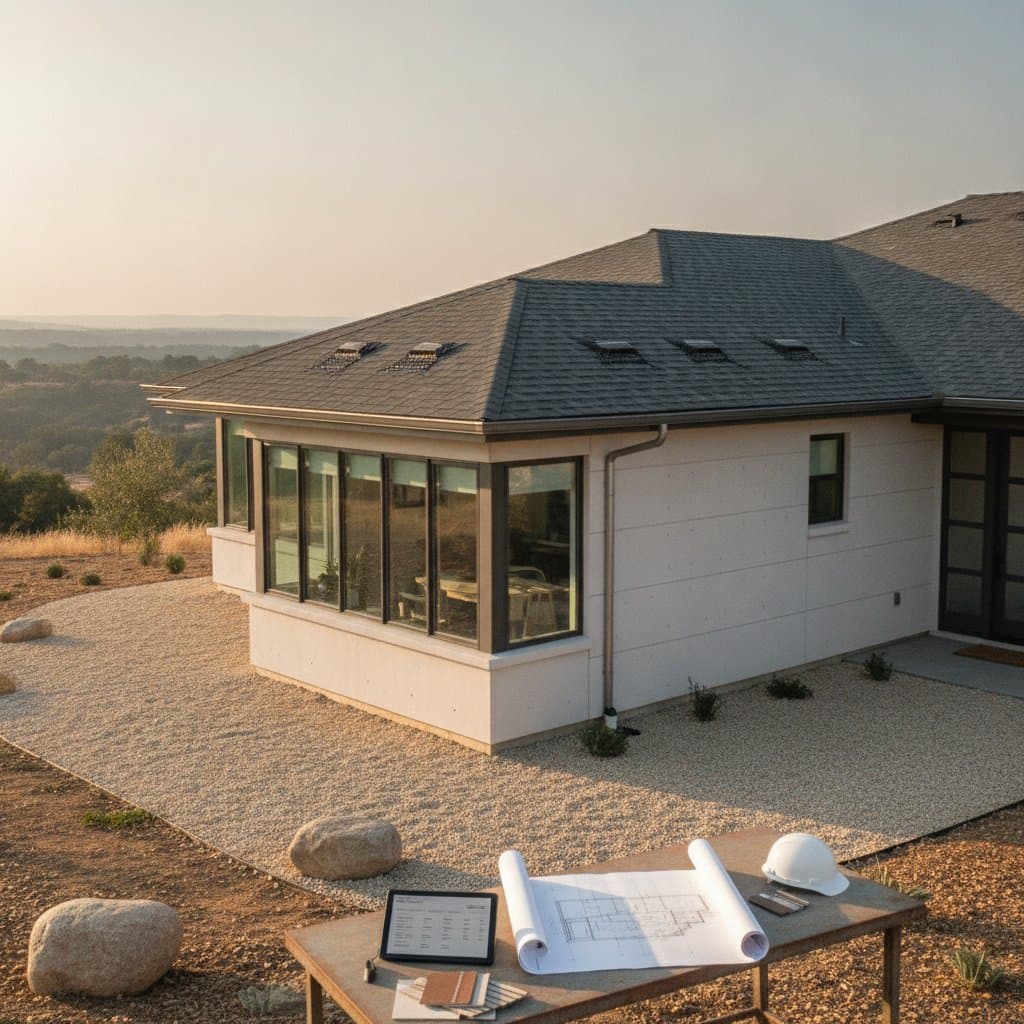
Before investing, assess key factors that shape your choices. These elements ensure the solution fits your home and lifestyle effectively.
- Budget: Consider equipment costs alongside professional labor fees.
- Home size: Larger spaces require multiple units or systems with greater capacity.
- Existing HVAC condition: System age and duct layout impact compatibility and integration.
- Local climate: High humidity or elevated outdoor pollution dictates specific needs.
- Maintenance: Account for filter changes, cleaning routines, and overall energy consumption.
- Allergies or sensitivities: Select filtration levels and media types based on health concerns.
Cost Ranges and Influencing Factors
Investments in air quality vary widely based on scope and features. Understanding these ranges helps plan within your means.
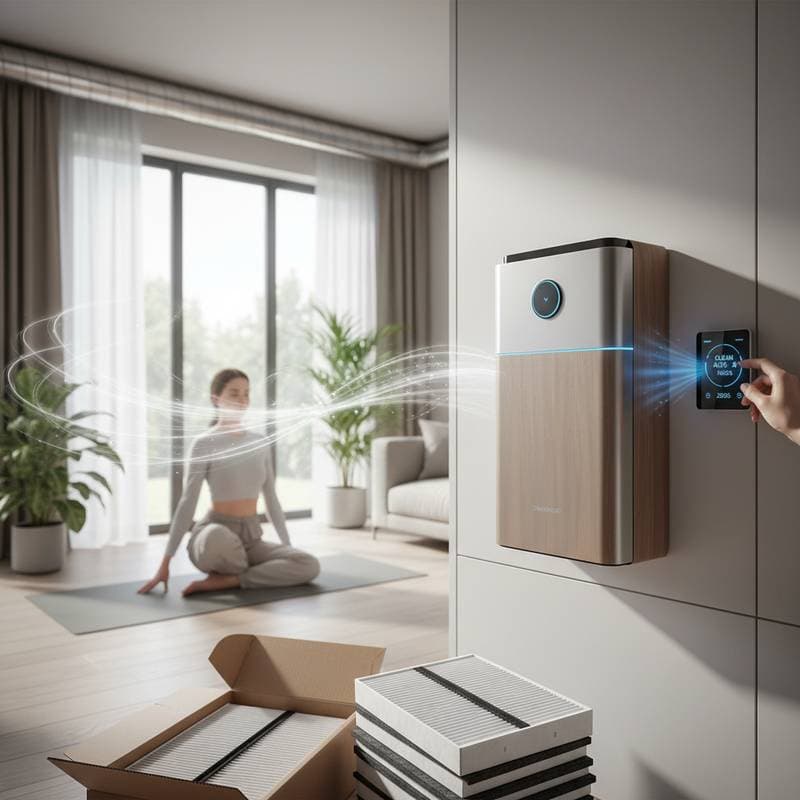
- Portable purifiers: Prices range from $100 to $600 per room. Factors include coverage area, filter quality, and added smart controls.
- Upgraded HVAC filters: Each costs $15 to $80. Pleated options with higher MERV ratings command premium prices.
- Whole-house purification systems: Installation totals $1,500 to $6,000. Variations stem from brand, home dimensions, and duct configuration.
- UV light systems: Installed costs fall between $400 and $1,200. These serve as add-ons to current HVAC setups.
- ERV or HRV systems: Expect $3,000 to $7,000 for installation. They suit sealed homes or regions with significant humidity.
Several elements drive these expenses. The size and age of your HVAC unit play a role, as do regional labor rates and any required permits. Additional ductwork or electrical modifications can increase totals. However, a thoughtfully chosen system often lowers energy bills by maintaining cleaner, more efficient HVAC operation. Over time, reduced repair needs and improved temperature control yield substantial savings.
DIY Options Versus Professional Installation
Many improvements allow hands-on involvement, saving on labor while building familiarity with your system. Others demand expert handling to avoid risks and ensure optimal results.
Tasks Suitable for DIY
Homeowners can tackle several steps independently with basic tools.
- Replace HVAC filters regularly.
- Clean vents and registers to remove dust accumulation.
- Operate portable air purifiers as directed.
- Seal minor duct leaks using mastic sealant or foil tape.
These activities typically require 2 to 4 hours. Gather supplies in advance and follow manufacturer guidelines for safety.
When to Engage Professionals
Complex installations benefit from certified expertise.
- Set up whole-house purifiers, ERV, or HRV units.
- Handle electrical wiring or connections.
- Repair extensive ductwork issues.
- Balance airflow and check static pressure levels.
A qualified HVAC technician performs diagnostic tests to confirm efficiency. This approach safeguards warranties and extends equipment durability.
Ongoing Maintenance and Expected Lifespan
Sustained performance relies on consistent upkeep. Establish a routine to maximize benefits and longevity.
- Filters: Swap out every 1 to 3 months, adjusted for usage and ambient dust.
- Purifiers: Wipe pre-filters monthly; renew HEPA elements every 6 to 12 months.
- UV lamps: Change bulbs annually or biennially to preserve germ-killing power.
- ERV or HRV units: Service core filters twice yearly through cleaning or replacement.
- Ductwork: Conduct yearly inspections for leaks, mold, or debris.
Proper attention extends whole-house purifier life to 10 to 15 years. Portable models endure 3 to 7 years, influenced by construction and care quality.
Frequently Asked Questions
How Do I Detect Poor Indoor Air Quality?
Watch for indicators such as rapid dust accumulation, persistent musty smells, window condensation, or intensified allergy reactions. Invest in an air quality monitor to quantify particulate matter and humidity levels accurately.
What MERV Rating Suits Typical Homes?
Ratings from MERV 8 to 12 effectively trap common contaminants like dust, pollen, and pet hair without impeding airflow. For households with asthma or severe allergies, opt for MERV 13 or above, provided your HVAC handles the resistance.
Do Portable Purifiers Suffice for Whole-Home Coverage?
Generally, no. A single unit manages 200 to 500 square feet effectively. In expansive or multi-story homes, combine units or install a centralized system for comprehensive protection.
Will Upgraded Filters Raise Energy Expenses?
They may cause a minor uptick if airflow drops due to neglect. Select system-matched filters and adhere to replacement schedules to minimize any added load.
Can Air Purification Enhance HVAC Efficiency?
Absolutely. Removing contaminants prevents coil and blower fouling, preserving optimal airflow and reducing operational strain.
Steps to Achieve Cleaner Indoor Air
Begin with straightforward actions like filter swaps and leak sealing. Monitor changes in air freshness and dust levels over weeks to gauge progress. If improvements emerge, evaluate larger investments such as central purification or enhanced ventilation.
Prioritizing clean air fosters restful sleep, eases allergy burdens, and prolongs HVAC reliability. Through targeted steps and mindful budgeting, transform your living space into a healthier haven well before seasonal shifts.