Home Air Upgrade Costs: $1,200 to $8,500 Breakdown and Coverage Options
Upgrading a home air system enhances indoor comfort and health through better air quality, fewer allergens, and greater energy efficiency. Professional upgrades, such as purification and filtration additions, range from $1,200 to $8,500, with an average of $4,700 for a full HVAC package. These expenses vary by system type, coverage extent, and installation demands. Many home warranty plans include options to offset these costs, shielding owners from surprise repair or replacement bills. Such upgrades boost indoor air quality by up to 30 percent, per Environmental Protection Agency findings, adding value to health and property alike.
Cost Components of Air Upgrade Coverage
Home air upgrade coverage employs various pricing approaches based on protection scope and equipment details.
Core Pricing Models
- Component-specific fees: Providers typically assess $250 to $600 per HVAC element, including air handlers, evaporator coils, or filtration units.
- Annual full-system rates: Comprehensive plans cost $550 to $1,200 yearly, influenced by home size and system age.
- Service deductibles: Calls often involve $75 to $150 fees.
Across the nation, the 25th percentile annual payment sits at $1,000, the median at $1,400, and the 75th percentile at $2,000 for top-tier options.
Home Size and System Scale
Properties with multiple HVAC zones or powerful air handlers incur higher insurance costs. Each extra 500 square feet adds $75 to $120 to premiums. A 2,000-square-foot residence with two systems might total $1,600 annually for complete protection. HomeAdvisor data indicates multi-zone setups average 18 percent more in premiums due to fluctuating parts and labor needs.
Equipment Levels and Materials
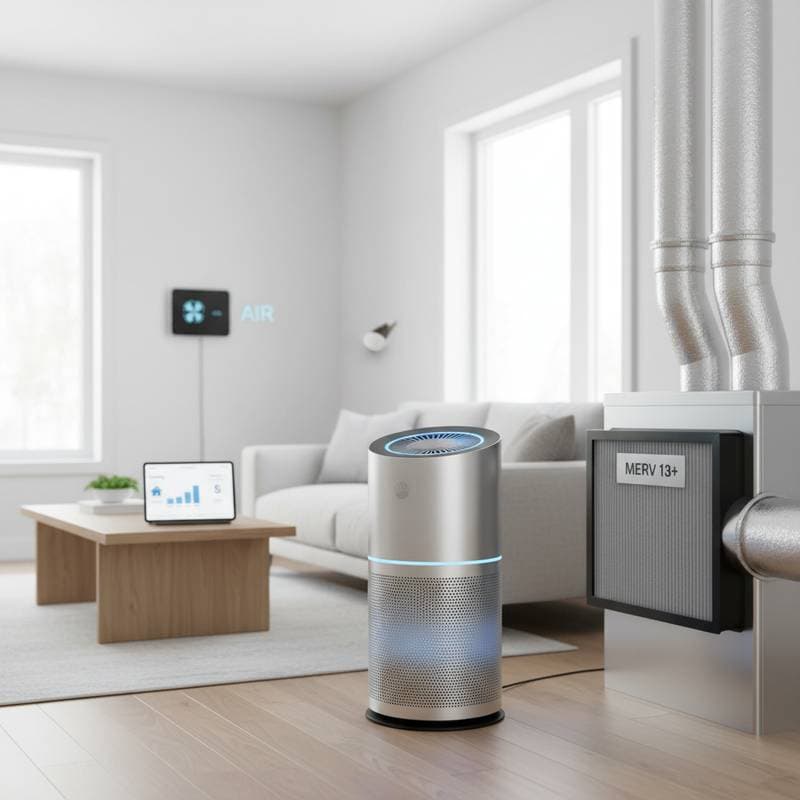
Basic setups with MERV 8 filters and single-stage compressors cost $200 to $400 per part to cover, with replacements below $2,000. Mid-level options featuring MERV 13 filters, UV-C purifiers, and smart thermostats range from $400 to $700 in premiums. Brands like Honeywell and Aprilaire extend system longevity by 25 percent, supporting the investment.
High-end systems with HEPA purification, air scrubbers, or Lennox PureAir models require $800 to $1,200 per component. These include 10-year warranties, and covered replacements can exceed $8,000 including labor.
Installation and Site Factors
Access issues, such as attic or crawl-space placements, elevate service expenses by 15 to 25 percent. Aging ductwork may demand code updates, increasing premiums. Regions with high humidity, like the Southeast, see up to 12 percent higher costs from corrosion threats.
Providers like American Home Shield and Choice Home Warranty note that restricted access or custom parts add $150 on average to claims.
Coverage Categories for Air Upgrades
Protection levels vary, allowing owners to select based on budget and needs.
Standard Protection Plans
Basic warranties cover central AC or heat pumps, air handlers, coils, filter reimbursements up to $50 per incident, and emergency responses. Annual costs fall between $550 and $950. Service calls average 1.5 hours, fitting standard HVAC homes. This level prevents failure costs without extras.
Advanced Comprehensive Plans
These build on basics with whole-home purification, duct cleaning allowances, smart thermostat swaps, and HEPA or UV safeguards. Prices reach $1,100 to $2,000 yearly, 35 percent above standard. Savings can hit $3,000 on major repairs. Families with allergies, high energy use, or complex equipment benefit most.
Optional Enhancements and Packages
Providers add targeted options for air improvements:
| Enhancement | Cost Range | Package Discount | Key Benefit |
|---|---|---|---|
| Duct Cleaning | $120-$250 | 10% | Reduces filter strain from debris |
| Smart Thermostat | $80-$150 | 8% | Improves energy control |
| UV Purification | $100-$300 | 12% | Targets allergens in sensitive homes |
| Air Scrubber | $200-$400 | 15% | Eliminates pathogens and smells |
Combining with comprehensive coverage cuts totals by 20 percent. Angi and HomeServe recommend off-season timing for labor savings.
Professional Installation Versus DIY Approaches
Deciding between experts and self-installation hinges on expense, expertise, and risks.
DIY Expense Details
For a mid-range purifier, costs include MERV 13 filters at $45 each, a $200 UV kit, a $300 portable HEPA unit, tools at $80 or $25 rental, and $30 in sealants. Totals span $600 to $1,000, plus 6 to 8 hours of effort. Errors in sealing or wiring risk inefficiency or hazards, and time plus warranty risks often erase savings.
Benefits of Professional Service
Certified technicians charge $1,200 to $2,500, delivering calibration, code adherence, warranties, and pro tools. Labor value reaches $1,500. Carrier and Trane specialists state pro setups achieve 20 to 30 percent better airflow than DIY.
Selection Criteria
Opt for professionals with variable-speed motors, advanced filters, warranty needs, or limited skills in electrical or ducts. Reserve DIY for filter changes or portable units. Duct or wiring errors demand costly fixes exceeding initial outlays.
Effective Ways to Lower Expenses
Optimal Scheduling
Plan for spring or fall to trim labor by 10 to 15 percent over peak seasons. Weekday slots avoid $50-plus weekend fees.
Informed Purchasing Steps
Obtain three quotes from licensed contractors; HomeAdvisor reports 12 percent average reductions. Seek prepay or off-peak deals. Buy filters and UV parts from SupplyHouse or HVACDirect for 8 to 10 percent savings.
Pre-Installation Preparations
Clear vent debris, swap accessible filters, and open attic access. These cut labor by 30 minutes, saving $50 to $75. Share system details upfront for smoother planning.
Regional and Market Influences
Location-Based Differences
Urban settings raise costs 15 to 20 percent via labor and permits. Suburbs offer balanced rates with competition. Rural areas cut labor but extend wait times.
Economic and Supply Factors
Inflation affects parts like filters and coils amid chain issues. Technician shortages inflate installs. Monitor local platforms for ideal upgrade windows.
Performance Metrics
Efficient systems lower bills 10 to 25 percent. Energy Star notes high-filtration upgrades add $3,000 to resale in polluted or humid zones.
Expanding Protection to Support Systems
Owners often include complementary coverage for sustained air quality:
- Plumbing integrations: Coverage for humidifiers or dehumidifiers that balance moisture.
- Electrical safeguards: Protection for thermostat wiring and smart controls.
- Roofing ties: Vents and attic fans to improve circulation.
These additions, at $100 to $300 yearly, prevent interconnected failures and enhance overall efficiency.
Steps to Optimize Air System Returns
Select coverage matching home needs and budget. Pair upgrades with energy audits for targeted gains. Regular maintenance preserves performance, yielding long-term savings on utilities and health costs. Invest now to secure comfort and value for years ahead.