Understanding Greywater System Costs in 2026
Homeowners seeking sustainable water solutions often consider greywater systems. These setups collect and treat wastewater from sinks, showers, and laundry for reuse in irrigation or toilet flushing. While they promote efficiency, grasping the full financial picture, including installation, rebates, and upkeep, ensures a worthwhile investment.
What Are Greywater Systems?
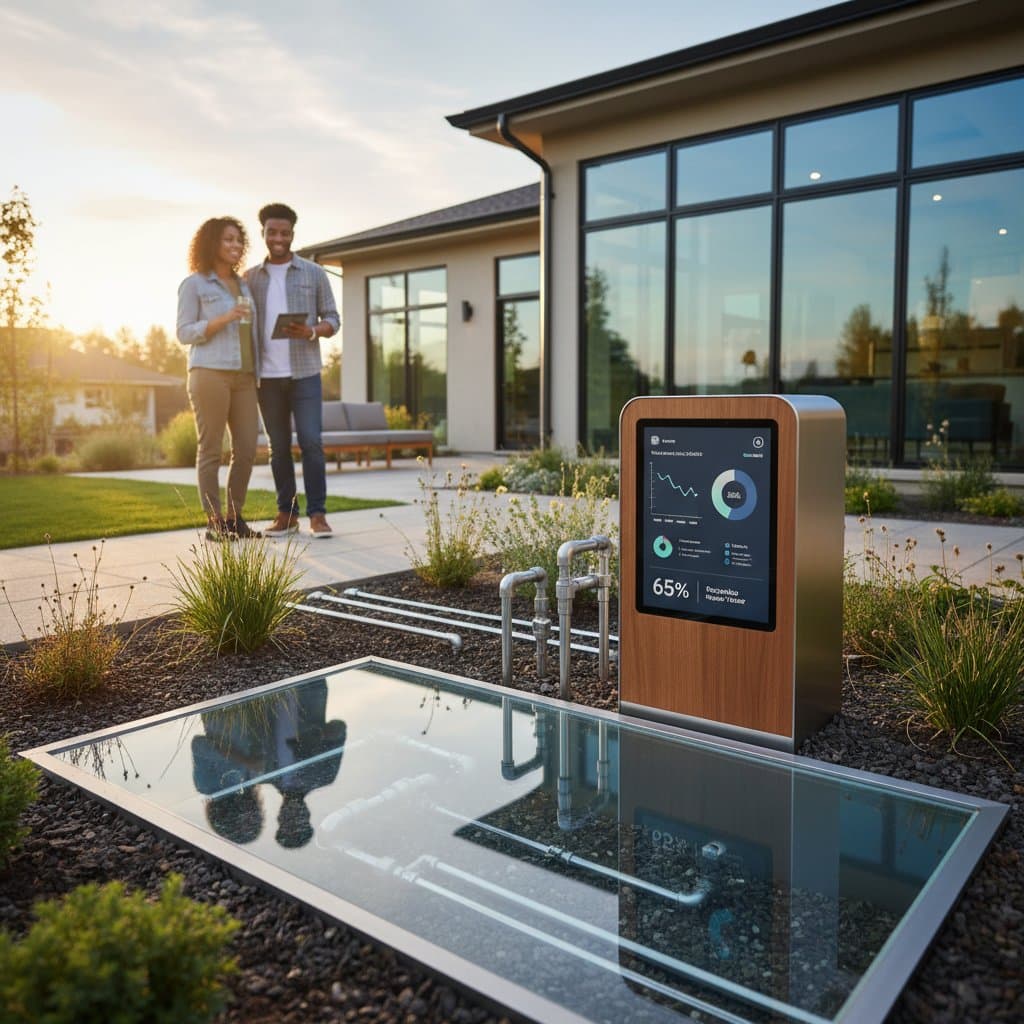
Greywater systems divert lightly contaminated water from household sources, excluding toilet or kitchen waste. Treated water supports non-drinking uses like garden watering. Designs range from basic diverters that route laundry water outdoors to advanced setups with pumps, filters, and storage for broader applications.
Property size and water needs dictate the best fit. Simple systems suit small yards with minimal plumbing changes. Comprehensive ones demand more planning for excavation and integration with existing lines.
Breaking Down Installation Costs
Costs vary by system scale and location. Basic laundry diverters start at $1,500 to $3,000, covering valves and basic piping. Mid-range systems with filtration add $4,000 to $8,000, including pumps and tanks. Full-home installations can reach $10,000 to $20,000, factoring in electrical upgrades and professional labor.
Permits and inspections add $200 to $1,000, depending on local rules. Equipment like filters or UV treatments costs $500 to $2,000 upfront. Annual maintenance, such as filter replacements, runs $200 to $500.
Regional factors influence pricing. In drought-prone areas, labor rates climb due to demand. Always obtain multiple quotes from licensed installers to compare.
Cost Comparison by System Type
| System Type | Upfront Cost Range | Annual Maintenance | Water Savings Estimate | Key Limitations |
|---|---|---|---|---|
| Basic Laundry Diverter | $1,500–$3,000 | $100–$200 | 10–20% reduction | Outdoor use only |
| Mid-Range Filtration | $4,000–$8,000 | $200–$400 | 30–40% reduction | No potable applications |
| Advanced Whole-Home | $10,000–$20,000 | $400–$800 | 40–50% reduction | High permitting needs |
These figures highlight how initial investments yield savings over time. Choose based on your household's water usage and yard layout.
Step-by-Step Installation Process
Start with a site assessment by a certified specialist. They evaluate plumbing, soil drainage, and local codes to recommend a design.
Next, submit plans for approval. This step, which takes 2–6 weeks, ensures compliance and avoids fines.
Installation involves rerouting pipes, installing tanks, and testing flows, typically over 2–5 days. Final inspections confirm safety and efficiency.
Budget for each phase: design at $300–$600, labor at $50–$100 per hour, and materials as noted earlier.
Navigating Regulations and Limitations
Local laws restrict greywater to non-potable uses, such as irrigation. Separate lines prevent cross-contamination with drinking water.
Soil type affects feasibility; clay-heavy ground may need overflow drains to sewers. Older homes with outdated pipes often require upgrades, adding $1,000–$3,000.
Neglect maintenance risks clogs or health issues. Follow schedules for cleaning to extend system life.
Check ordinances early. Some areas limit reuse to landscaping, impacting rebate eligibility.
Long-Term Financial Benefits
Greywater systems cut water bills by 30–50% in high-cost regions. A $5,000 system might break even in 3–5 years with $500 annual savings.
Factor in repairs: pumps last 5–10 years at $300–$600 to replace. Well-maintained units boost home value by 2–5% for eco-buyers.
Track all expenses in a spreadsheet. Include electricity for pumps, about $50 yearly.
Securing Rebates and Incentives
Water agencies offer $500–$5,000 rebates for verified installations. Flat rebates cover equipment; tiered ones reward larger savings.
Apply pre-installation with system specs. Retain receipts and photos for claims.
Programs may require annual reports on usage. Combine with solar or efficient fixture rebates for more savings.
Research via local utility sites. Deadlines apply, so plan ahead.
Choosing the Right System
Assess your goals: bill reduction or eco-impact. Map collection points like showers and reuse areas like lawns.
Compare types against your home size. Get bids from three vetted contractors.
Project 10-year costs: upfront plus maintenance minus rebates and savings. Ensure the design qualifies for incentives.
Set a maintenance calendar. Quarterly checks prevent issues.
Safeguarding Your Investment
Demand itemized contracts outlining materials, timelines, and warranties. Opt for 2–5 year coverage on parts.
Verify installer credentials through state boards. Read reviews for reliability.
Document everything for disputes. Professional service upholds warranties.
Maximizing Returns on Greywater
A strategic greywater setup delivers ongoing savings and sustainability. Pair it with low-flow fixtures for amplified results.
Regular upkeep ensures peak performance. Reap rewards through lower bills and a greener property.