Why Virtual AI Assessments Could Save You Thousands
Home inspections traditionally require scheduling an in-person visit, enduring wait times, and paying several hundred dollars before proceeding with any purchase or renovation. Virtual AI assessments disrupt this process. These tools leverage photos, videos, and advanced predictive algorithms to deliver rapid, budget-friendly evaluations of property conditions. When applied strategically, they identify concealed problems, inform repair decisions, and reduce inspection expenses by at least half.
Cost Breakdown
| Item | Unit cost | Typical quantity | Line total | Notes |
|---|---|---|---|---|
| AI assessment software access | $20 to $100 | 1 license | $20 to $100 | Often sold per scan or monthly subscription |
| Smartphone or camera setup | $0 to $100 | 1 device | $0 to $100 | Existing phone often works; optional tripod |
| Cloud storage and report | $10 to $50 | 1 report | $10 to $50 | Includes generated condition summary |
| Optional pro review | $75 to $200 | 1 | $75 to $200 | Human inspector validates AI results |
| Total estimated cost | $75 to $250 | Typical single-family home |
Add-ons and Allowances
- Thermal imaging plugin: $30 to $100
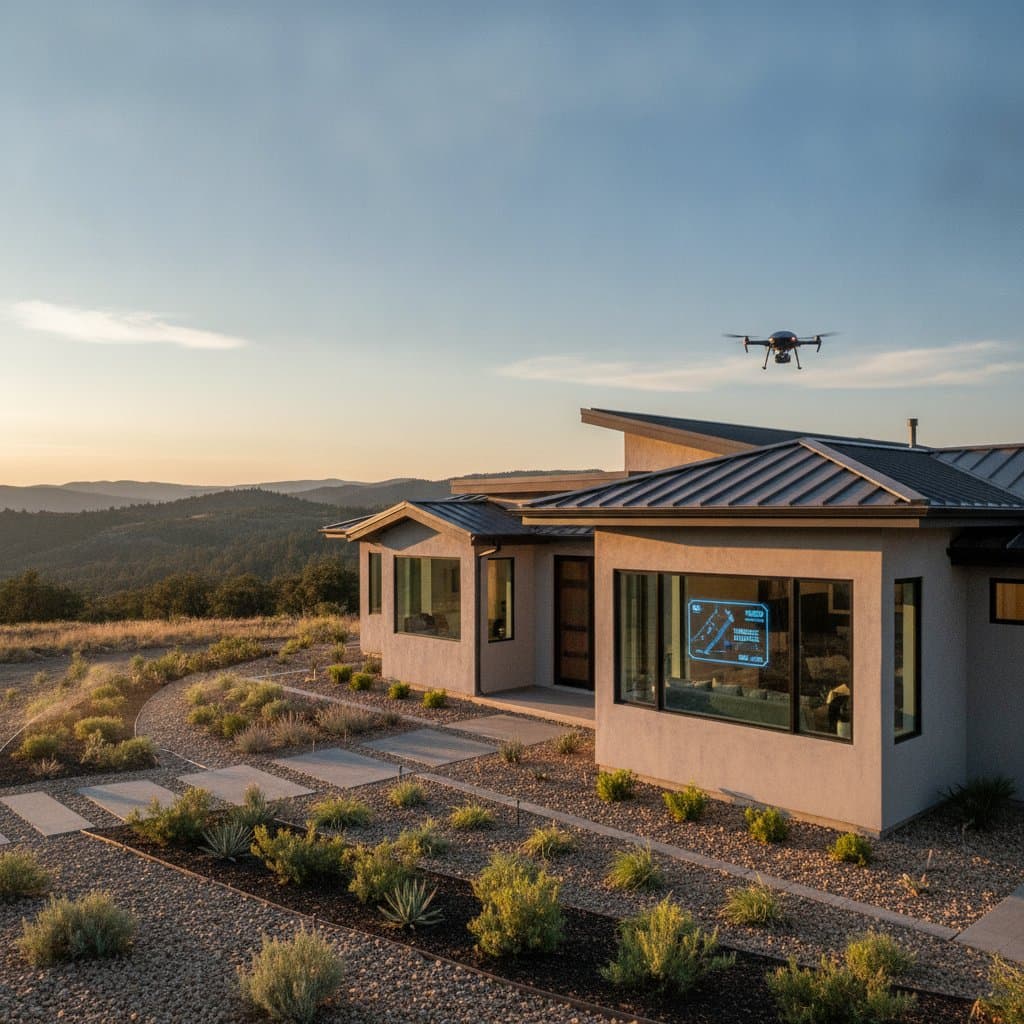
- Roof drone scan: $50 to $150
- Foundation moisture scan: $40 to $90
- Permit or disposal fees: None for assessment only
DIY vs Pro
What a Capable DIYer Can Do
Homeowners with basic technical comfort can conduct a fundamental AI assessment using a smartphone camera and app subscription. The process involves simple actions. First, adjust lighting and camera positioning for optimal clarity. Next, adhere to the app's sequential capture instructions for each area. Finally, upload the visuals to produce a comprehensive report.
This output provides a detailed digital overview, highlighting risks such as moisture intrusion, structural cracks, or energy inefficiencies. For many, this level of insight suffices to determine if professional intervention is necessary.
Tasks That Require a Pro
Certain evaluations demand certified expertise to ensure accuracy and compliance. Structural assessments, including foundation settling or load-bearing frame damage, require an engineer's evaluation. Electrical systems or gas lines flagged for hazards must be inspected by licensed technicians. Roof examinations often involve adherence to local drone regulations, necessitating qualified operators.
Official reports for insurance claims or real estate transactions typically need a licensed inspector's endorsement to hold legal weight.
Safety and Warranty Risks
Avoid hazardous maneuvers, such as scaling roofs or accessing unstable crawl spaces, to capture images. AI platforms prioritize ground-level and interior scans for safety. Engaging in risky activities not only endangers personal well-being but also may invalidate software warranties.
Step By Step: Running a Virtual AI Assessment
DIY Tool List
Required tools
- Smartphone or digital camera
- Tripod or stabilizer
- AI assessment app subscription
Optional helpers
- External lighting
- Drone for roof or exterior shots
Safety gear
- Gloves if working in attic or crawl area
- Safety glasses for dusty spaces
Step Sequence
- Set up your space. Illuminate rooms fully, clear obstacles, and establish safe navigation routes.
- Launch the AI app. Proceed through the interface's room-by-room guidance to target key zones.
- Capture images. Maintain steady, level shots to prevent distortion or blur.
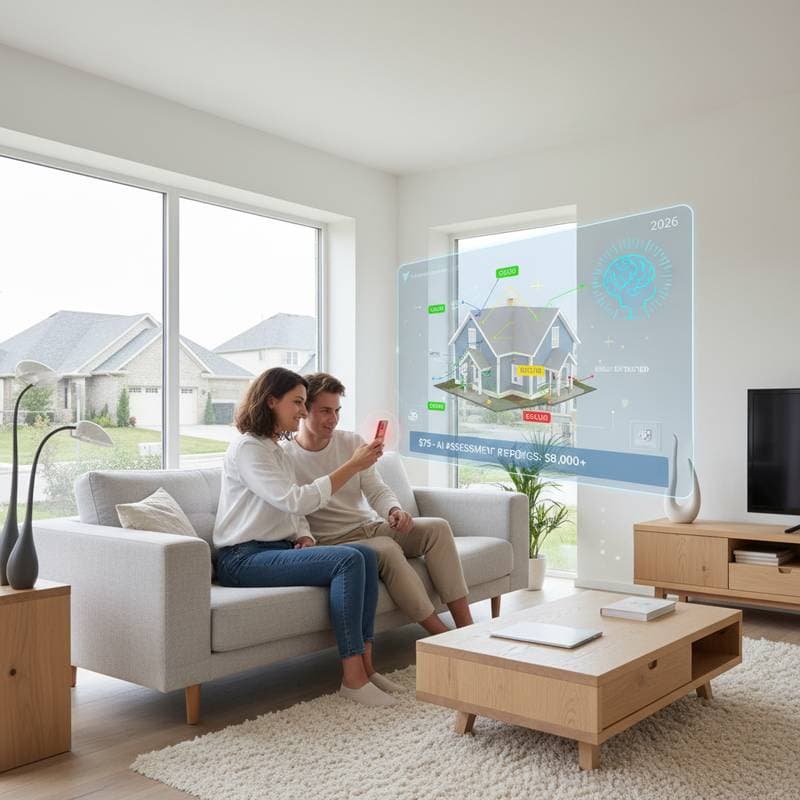
- Upload for analysis. The system processes uploads to detect anomalies like dampness, fissures, discoloration, or irregular patterns.
- Review flagged areas. Examine the report's visual markers, which use color coding to prioritize concerns.
- Decide next steps. Address simple issues with self-repairs; escalate structural or mechanical flags to specialists.
Homeowners generally finish this routine in less than two hours. Reports generate almost immediately, contingent on upload speed.
Timeline and Scheduling
Lead Times for Materials
Virtual assessments eliminate material procurement delays. Access the app instantly upon subscription, though initial account verification or property data entry might take a few minutes.
Typical Crew Days on Site
No on-site personnel are involved, eliminating coordination hassles and associated fees. Adding a professional review typically yields a detailed summary within one business day.
Inspection Touchpoints
For applications involving insurance or property sales, arrange a follow-up verification. Insurers may stipulate proof that the scan was performed by the owner or authorized user to accept the findings.
Maintenance and Lifespan
Care Routines
Conduct reassessments annually or following significant events like severe weather, renovations, or equipment installations. Digitally archive reports to monitor changes over time and detect emerging patterns of wear.
Common Failures and Early Warnings
AI systems occasionally interpret glare or shadows as flaws. Persistent alerts in the same location warrant manual inspection or expert consultation. Inadequate lighting can lead to overlooked issues, so cross-check original images against the analysis.
When to Repair vs Replace
Surface-level damage or isolated leaks often respond well to targeted repairs, preserving costs. Recurrent structural or systemic warnings signal the need for comprehensive replacement or overhaul by professionals.
Why This Technology Pays Off
Virtual AI assessments eliminate uncertainty that breeds costly oversights. A modest $150 scan might expose a $5,000 foundation issue or $2,000 roofing defect in its infancy. Routine virtual checks prevent minor problems from evolving into extensive overhauls.
Time savings are equally compelling. Skip the multi-day wait for traditional inspectors; perform scans at your convenience. During renovation planning, share AI reports with contractors to refine project estimates and avoid padded budgets.
Making It Happen
Research established AI inspection providers emphasizing clear costs, data security, and add-on expertise. Begin with a focused scan on one element, like the roof or heating system, to familiarize yourself with the platform.
Maintain a digital log of assessments. This evolving record enhances property documentation, bolstering appeal during resale and reassuring potential buyers.
Methodology and Sources
This analysis draws from nationwide contractor data, current virtual service rates, and insights from homeowners in diverse markets. Actual expenses fluctuate based on region, home size, and economic factors.