Understanding Flood Risks to Your Home
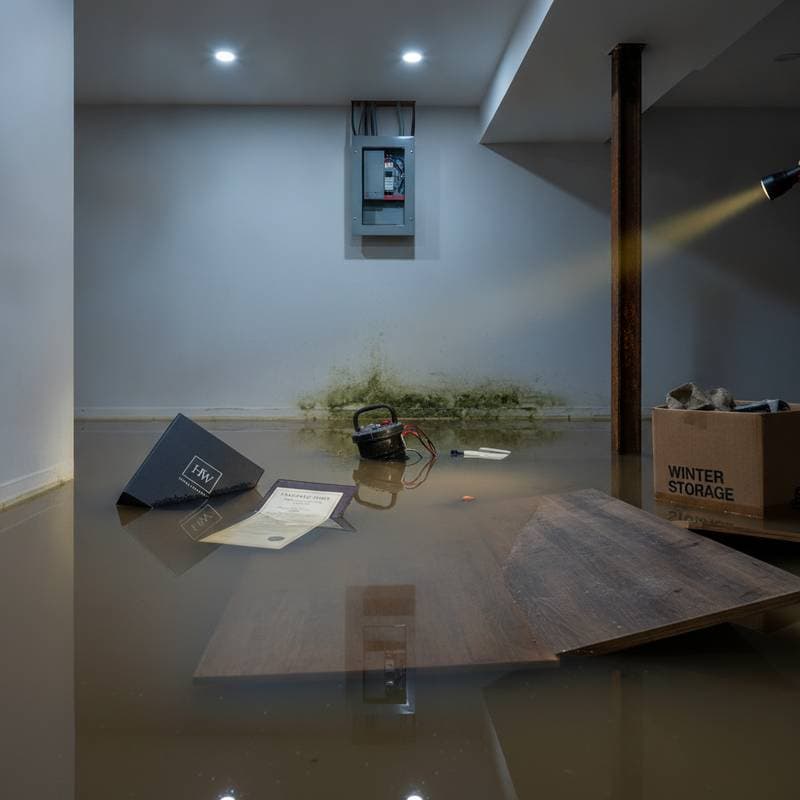
Floods pose a significant threat to residential properties, causing billions in damages annually. Water intrusion can damage foundations, electrical systems, and personal belongings, leading to long-term structural issues. Homeowners must assess their location's vulnerability, considering factors like proximity to rivers, low-lying areas, and local rainfall patterns.
Climate change intensifies these risks, with heavier storms becoming more frequent. Early preparation not only protects assets but also ensures family safety during emergencies. Identifying potential entry points for water helps prioritize protective measures.
Key Flood-Proofing Strategies
Effective flood protection involves multiple layers of defense. These strategies range from simple modifications to comprehensive renovations, each tailored to specific home layouts and budgets. Implementing them systematically reduces the likelihood of severe water damage.
Sealing Entry Points
Begin by sealing cracks and gaps around doors, windows, and foundation walls. Use waterproof sealants and caulk to create barriers against rising water. This method prevents moisture from seeping into living spaces and structural elements.
For basements and crawl spaces, apply epoxy coatings to walls and floors. These materials resist hydrostatic pressure from floodwaters. Regular inspections ensure seals remain intact over time.
Enhancing Drainage Systems
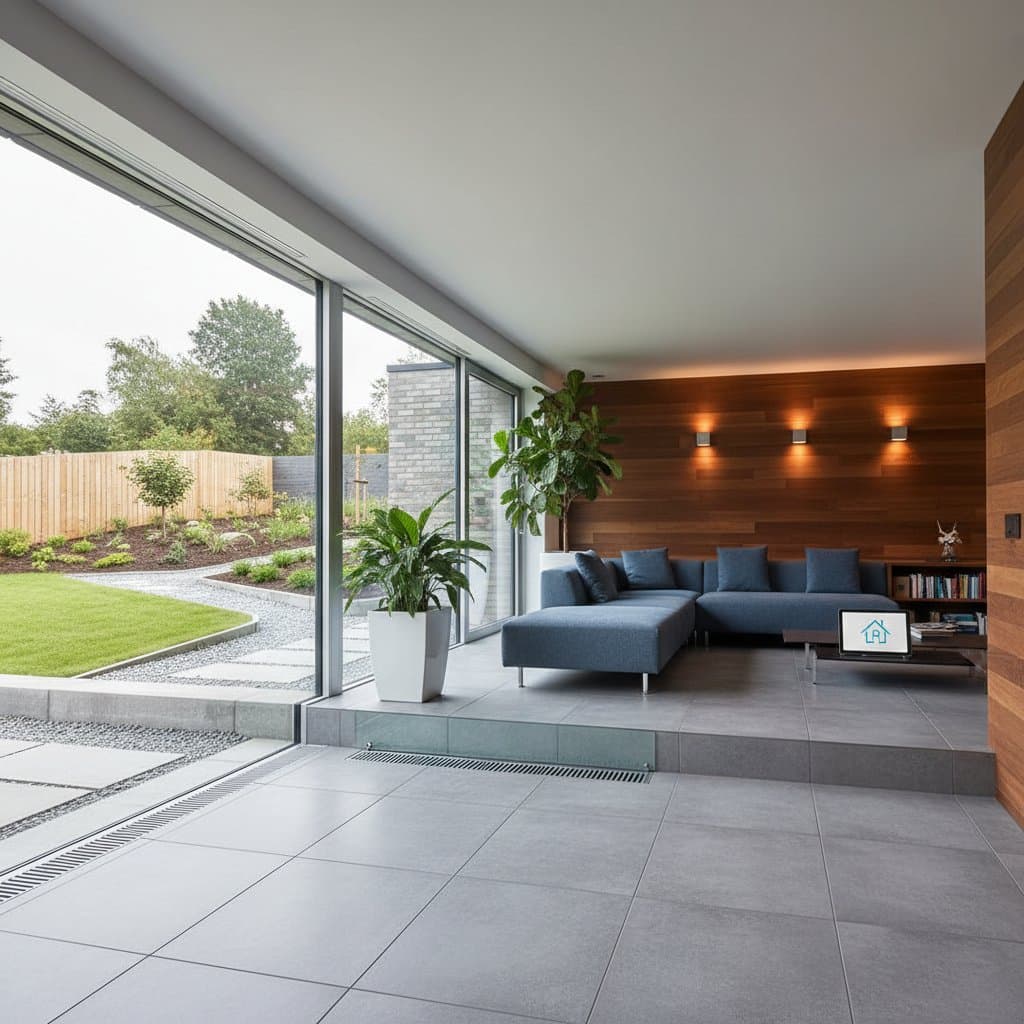
Proper drainage directs water away from your home's foundation. Install or upgrade gutters and downspouts to channel rainwater efficiently. Extend downspouts at least five feet from the house to avoid pooling.
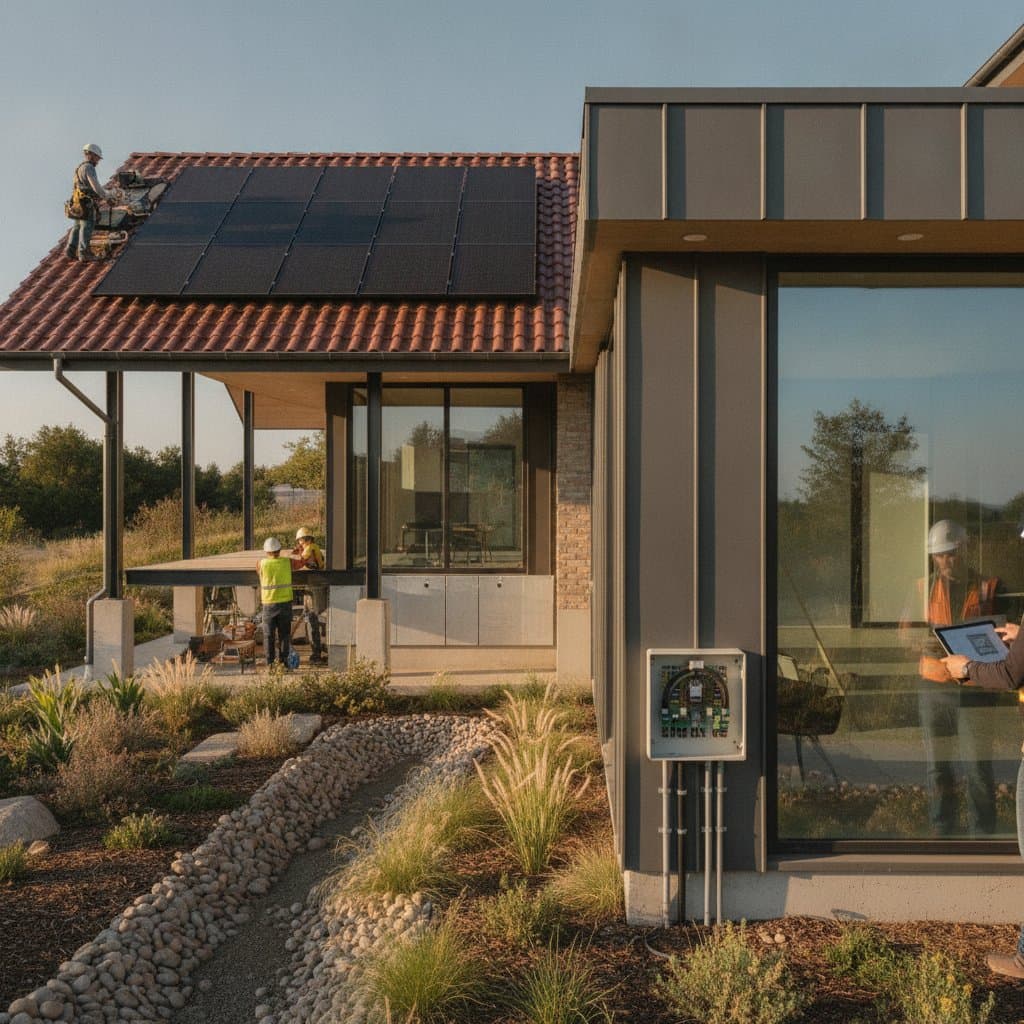
Consider French drains or sump pumps for areas prone to accumulation. These systems collect and redirect excess water underground or to storm sewers. Professional assessment determines the best placement for maximum effectiveness.
Elevating Critical Components
Raising appliances, heating systems, and electrical panels above potential flood levels provides essential protection. Use sturdy platforms or relocate items to upper floors where feasible. This approach minimizes downtime and repair needs after an event.
For entire structures in high-risk zones, elevation on piers or fill material offers comprehensive safeguarding. Consult local building codes to ensure compliance. Such upgrades significantly extend the home's lifespan in flood-prone environments.
Cost Breakdown and Implementation Options
Flood-proofing investments vary by scope and method. Basic sealing tasks cost around $2 per square foot, while full elevation projects reach $20 per square foot. Factor in material quality and labor for accurate budgeting.
DIY Approaches for Budget-Conscious Homeowners
- Clean and seal gutters yourself using basic tools and sealant kits.
- Install door sweeps and window films to block low-level water entry.
- Landscape grading to slope soil away from the foundation, achievable with shovels and topsoil.
These steps require minimal expertise and keep expenses low. Follow manufacturer guidelines for safe application. Test installations during minor rains to verify performance.
Professional Services for Comprehensive Protection
Hire certified contractors for complex installations like sump pumps or structural elevations. They provide warranties and adhere to safety standards. Expect higher upfront costs, but long-term savings on repairs justify the investment.
Obtain multiple quotes to compare services. Verify licenses and experience with flood mitigation projects. Professionals often identify issues overlooked in self-assessments.
Maintenance and Long-Term Resilience
Regular upkeep sustains flood defenses. Inspect seals, drains, and elevations annually, especially before storm seasons. Clear debris from gutters and test sump pumps quarterly to ensure functionality.
Document all modifications for insurance purposes. Some upgrades qualify for premium discounts, offsetting initial expenses. Stay informed on local flood warnings through community resources.
Realizing the Benefits of Proactive Protection
Investing in flood-proofing secures your home's value and your peace of mind. Reduced damage translates to lower recovery costs and faster return to normalcy. Safer living conditions protect health and well-being amid growing environmental uncertainties.
These measures adapt to evolving climate patterns, future-proofing your property. Homeowners who act now avoid the disruptions faced by unprepared neighbors. Embrace these strategies to build a resilient foundation for years ahead.