Unlock Living Space in Your Garage: 2026 Permit Updates
Converting a garage into habitable space ranks among the most efficient methods to increase usable square footage without constructing an entirely new addition. New permit regulations set to take effect in 2026 will influence the approval process for such projects. Homeowners who familiarize themselves with these forthcoming changes can proceed with informed planning and accurate budgeting.
Summary Box
Definition: A garage conversion permit represents official authorization to repurpose a garage as legal living quarters.
Importance: This approval verifies adherence to safety, energy efficiency, and zoning requirements. Projects without permits may complicate property sales or invalidate insurance coverage.
Average Cost: Fees for permits typically span from $500 to $2,000, varying by locality and scope of work.
Professional Involvement: Engage a licensed contractor or architect for any tasks involving plumbing, electrical systems, or structural modifications.
Timeline: Expect two to six weeks for plan review and permit issuance, with potential extensions for necessary revisions.
Ongoing Upkeep: After conversion, maintain the area like other rooms in the home, including yearly evaluations of HVAC systems, smoke detectors, and insulation integrity.
Understanding Garage Conversions
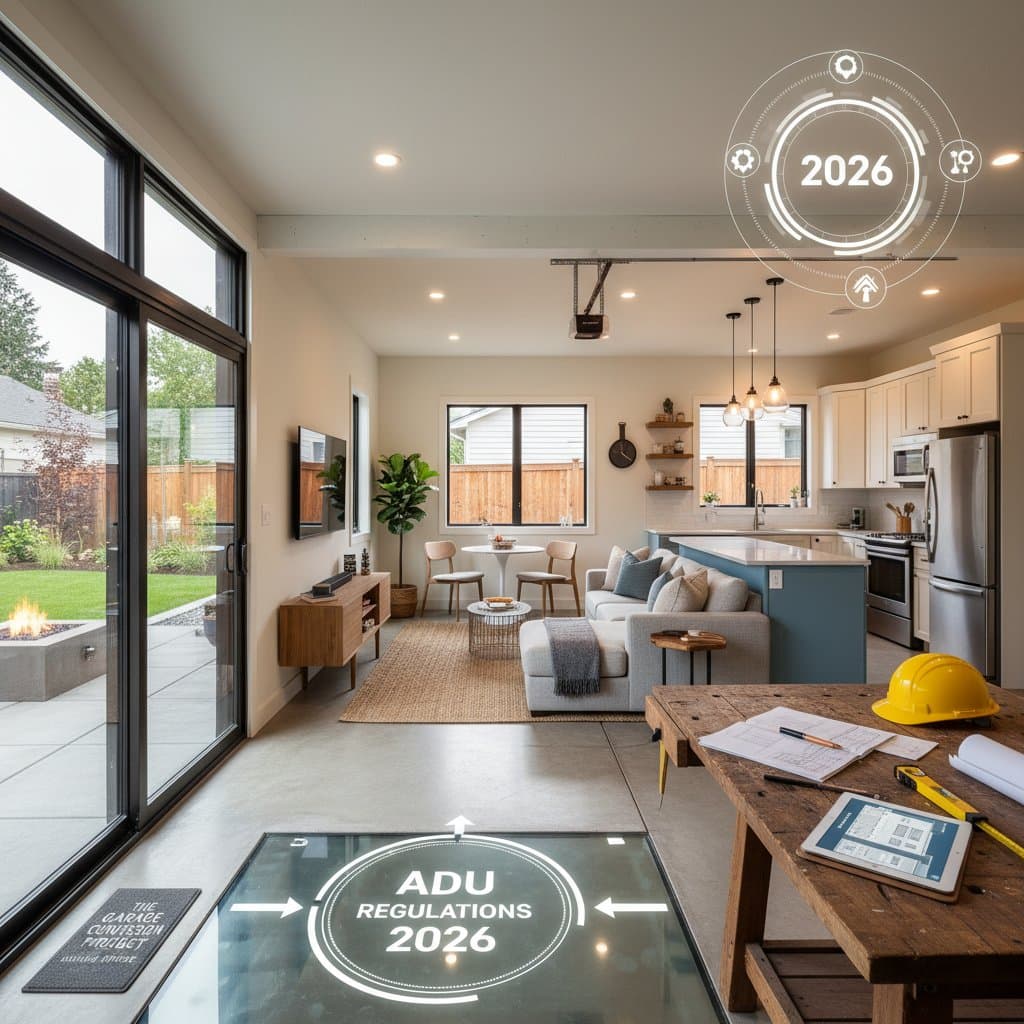
A garage conversion involves adapting an existing garage structure into livable space, such as a studio apartment, additional bedroom, or accessory dwelling unit (ADU). The permit serves as the local authority's confirmation that the project complies with building codes, zoning laws, and energy standards.
This process not only expands living options but also enhances property utility. Proper execution ensures the space integrates seamlessly with the home while upholding structural integrity.
Key Components of a Garage Conversion
Standard conversions encompass several essential elements:
- Foundation and Floor Preparation: Many garages feature sloped floors for water runoff, necessitating leveling and insulation to create a stable, comfortable base.
- Framing and Insulation: Install new framing for walls and ceilings, along with high-quality thermal insulation to regulate temperature.
- Electrical Systems and Lighting: Upgrade wiring to support additional outlets, fixtures, and potentially heating or cooling units.
- Plumbing Installations: Incorporate these features if the plan includes a bathroom or small kitchen area.
- Windows and Doors: Select options that satisfy egress requirements for emergency exits and provide adequate natural ventilation.
- Interior Finishes: Apply drywall, select durable flooring, and add trim to achieve a polished appearance.
Every component requires alignment with local codes to guarantee safety and efficiency. For instance, insulation must achieve specific R-values based on climate zone.
Indicators That a Permit Is Required
Obtain a permit for projects that involve:
- Constructing, relocating, or removing walls, plumbing lines, or electrical conduits.
- Fitting new windows, doors, or other openings.
- Shifting the garage's function from storage or parking to residential use.
- Integrating the space with the home's existing heating, ventilation, and air conditioning systems.
Failure to secure permits risks issuance of stop-work orders, fines, or the need for expensive demolition to rectify violations. Always consult local regulations early to confirm requirements.
Detailed Step-by-Step Guide
Follow these steps to navigate the conversion process effectively:
- Verify Zoning Compliance: Review local ordinances to ensure garage conversions or ADUs are permitted on your property. Some jurisdictions impose restrictions on eliminating parking spaces or limit unit sizes.
- Develop Detailed Drawings: Prepare comprehensive floor plans, elevation views, and energy calculations. Professionals like architects or designers often handle this to meet technical standards.
- Submit the Permit Application: Present your plans to the municipal building department and remit the required fees.
- Undergo Plan Review: Authorities evaluate the submission for conformity with structural, mechanical, and energy codes.
- Address Any Feedback: Revise plans as directed and resubmit for further approval if adjustments are needed.
- Secure the Permit: Upon satisfactory review, obtain the official building permit authorizing construction to commence.
- Arrange for Inspections: Schedule checks for framing, electrical, and plumbing phases prior to enclosing walls with drywall.
- Achieve Final Approval: Upon project completion, an inspector verifies overall compliance and issues a certificate of occupancy, allowing full use of the space.
Anticipate the 2026 updates, which may introduce stricter energy audits or enhanced seismic considerations in vulnerable areas. Starting preparations now positions you ahead of potential delays.
Breaking Down Costs and Influencing Factors
| Line Item | Typical Range | Notes and Variables |
|---|---|---|
| Permit Fees | $500–$2,000 | Determined by project scale and geographic area |
| Design and Plans | $1,000–$3,000 | Increases for complex ADUs involving utilities |
| Construction Labor | $25,000–$80,000 | Varies with material quality and added features |
| Inspections and Tests | $200–$600 | Covers energy efficiency and structural assessments |
| Utility Modifications | $1,000–$5,000 | Includes electrical panel expansions or new water lines |
Expenses escalate when incorporating plumbing, premium finishes, or significant structural alterations. Properties on level terrain with pre-existing insulation and wiring generally incur lower costs. Budget an additional 10-15% for unforeseen adjustments related to the new regulations.
Weighing DIY Against Professional Services
| Category | DIY Approach | Professional Approach |
|---|---|---|
| Required Expertise | Advanced skills in multiple trades | Licensed specialists with certifications |
| Safety Concerns | Elevated risks in electrical and structural tasks | Mitigated through expert oversight |
| Necessary Tools | Extensive kit for framing, wiring, plumbing, and finishing | Access to professional-grade equipment |
| Code and Permit Handling | Self-managed inspections and compliance | Integrated into contractor responsibilities |
| Project Duration | 6–12 weeks, depending on availability | 4–8 weeks with dedicated teams |
| Warranty Coverage | Limited to personal assurance | Backed by contractor guarantees |
While some homeowners manage cosmetic tasks like painting or flooring installation independently, experts recommend professionals for permitting, design, and code-critical work. This approach minimizes errors and ensures longevity.
Essential Safety and Code Considerations
Habitable spaces demand installation of smoke and carbon monoxide alarms, compliant egress windows for safe evacuation, and GFCI outlets to prevent electrical hazards. Licensed professionals must handle any modifications near primary electrical panels or plumbing systems. If the conversion adjoins remaining garage areas, implement fire-rated separations to contain potential hazards.
The 2026 changes emphasize sustainable materials and improved accessibility features, such as wider doorways for universal design. Adhering to these elevates both safety and resale appeal.
Long-Term Maintenance and Durability
A properly executed conversion endures alongside the primary residence with routine care. Replace HVAC filters monthly to maintain air quality, inspect window seals seasonally to prevent drafts, and ensure exterior surfaces remain sealed against moisture. Expect flooring and interior finishes to withstand 15 to 25 years of regular activity.
Address climate-specific needs promptly; for example, in damp regions, monitor for mold growth quarterly.
Adapting to Regional Variations
Tailor your project to local environmental conditions:
- Cold Regions: Incorporate extra subfloor insulation and vapor barriers to combat frost heave.
- Hot and Humid Areas: Opt for mold-resistant drywall and integrate dehumidifiers for comfort control.
- Dry Environments: Design shading solutions for sun-exposed windows to reduce cooling demands.
- Coastal Locations: Employ corrosion-resistant hardware and pressure-treated lumber against salt air.
- High-Risk Zones for Fire or Wind: Verify that exterior walls satisfy enhanced fire-resistance or impact standards.
Municipal codes might mandate replacement parking or cap ADU dimensions. Contact your building department for precise guidelines.
Frequently Asked Questions
Does plumbing require a distinct permit? Yes, separate approvals often apply to each specialized trade.
Is partial garage retention for storage feasible? Yes, provided fire separation integrity remains intact in the design.
Will property taxes increase? Generally, yes, as the added finished space raises the assessed value.
Can the space be rented out? Only where zoning permits ADUs or secondary residences.
Is an architect necessary? Required for load-bearing modifications, though beneficial for smoother approvals overall.
May work begin prior to permit issuance? No; unauthorized construction invites penalties and halts progress.
What is the inspection duration? Typically one to two days following scheduled appointments.
Essential Terminology
ADU: Accessory dwelling unit, denoting a supplementary residence on the property.
Egress: Designated safe pathway for exit, via doors or qualifying windows.
GFCI: Ground fault circuit interrupter, a safety device for electrical outlets.
Load-Bearing Wall: Structural element supporting overhead loads.
Subfloor: Structural layer supporting the surface flooring.
Vapor Barrier: Protective layer blocking moisture infiltration in assemblies.
Zoning: Regulatory framework governing land development and usage.
Certificate of Occupancy: Official document certifying a space's readiness for habitation.
Advancing Your Project Forward
Initiate by researching zoning specifics and consulting your local building authority. Solicit proposals from designers versed in evolving ADU and conversion standards. Allocate funds conservatively and build timeline flexibility into your schedule. A compliant garage conversion delivers enduring comfort, versatile usage, and substantial property enhancement.