Why ADU Conversions Revolutionize Multigenerational Homes
Accessory Dwelling Units (ADUs) transform family living by enabling close proximity with individual privacy. Professional conversions of spaces such as garages or basements into self-contained units typically range from $80,000 to $250,000, with an average expenditure of $160,000. Key cost influencers include the unit's size and layout, material selections, and site accessibility. Regional labor rates further shape expenses, particularly in urban settings with high demand. Data from industry sources indicate that a thoughtfully executed ADU can elevate property value by as much as 35 percent. Such additions support housing for extended family members, generate rental revenue, or accommodate long-term care needs. This approach promotes sustainability and delivers strong financial returns for households aiming to integrate generations without compromising personal space.
Detailed Cost Breakdown
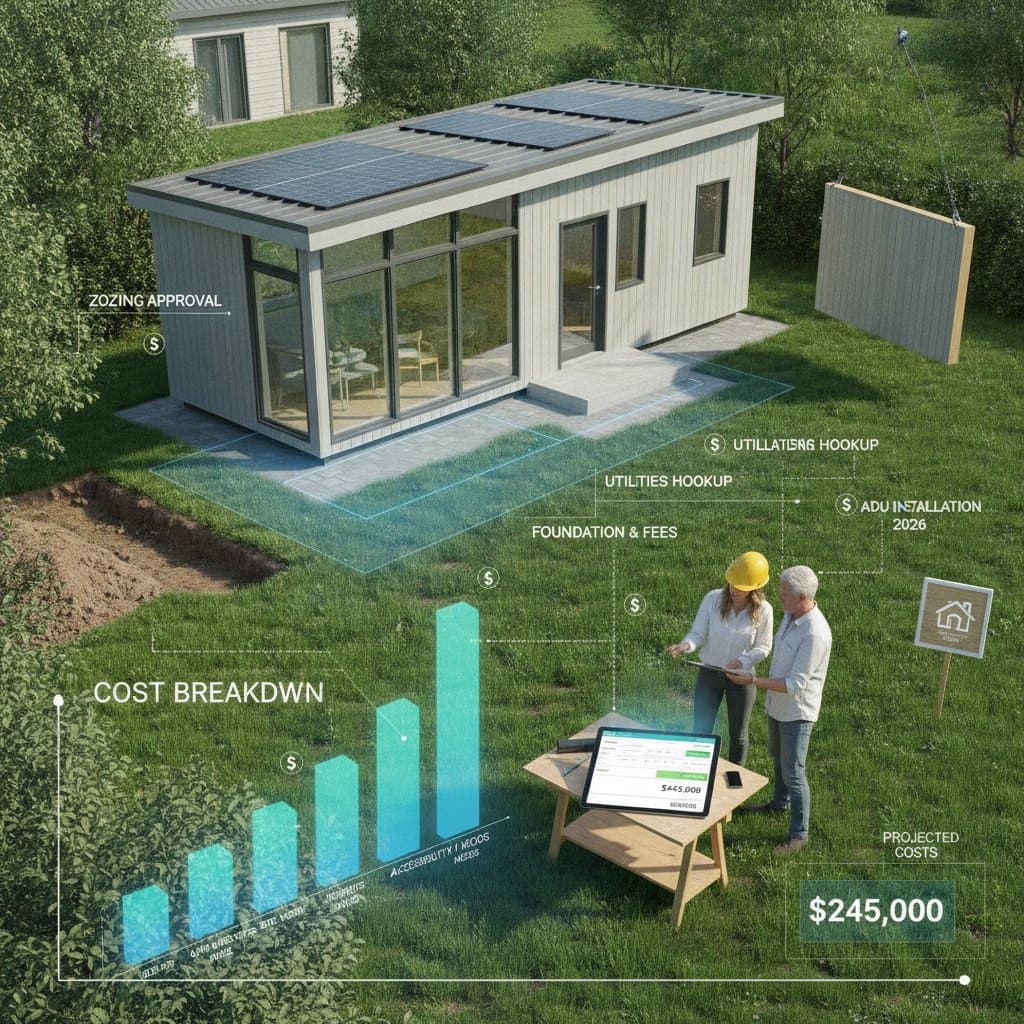
Costs for ADU conversions differ based on the structure's type, finish quality, and adherence to local regulations. The national average remains at $160,000, though modest projects begin around $80,000 and upscale endeavors surpass $250,000. Expect an initial service fee of approximately $25,000 to cover design, permits, and utility connections. Cost benchmarks align with the 25th percentile at $110,000, the median at $160,000, and the 75th percentile at $220,000.
Size and Scope Factor
The footprint of the ADU directly impacts expenses. A 300-square-foot unit may require about $100,000, while every additional 100 square feet incurs $15,000 to $20,000 more, influenced by material choices and local labor costs. For instance, a 500-square-foot space equipped with a kitchenette and bathroom generally totals $140,000 to $180,000, per insights from construction platforms. Larger, detached units featuring independent entrances and complete kitchens often exceed $250,000, accounting for extensive plumbing and electrical work.
Material and Quality Tiers
Choices in materials determine both upfront costs and enduring performance. Basic options with standard fixtures and finishes run $250 to $300 per square foot. Mid-tier selections, incorporating recognized brands for fixtures and paints, fall between $350 and $400 per square foot, enhancing visual appeal and energy performance. High-end configurations with bespoke cabinetry, durable countertops, and integrated smart systems command $450 to $600 per square foot. These enhancements improve daily usability, prolong unit longevity, and reduce ongoing expenses, while boosting potential rental yields and energy efficiency.
Complexity and Site Conditions
Site challenges and regulatory demands substantially affect budgets. Transforming a detached garage proves less intricate than retrofitting a basement, which demands moisture barriers and structural bolstering. Older properties frequently necessitate full electrical overhauls or pipe replacements, inflating costs by 10 to 20 percent. In densely populated areas, elevated permit charges and wage rates can raise totals by up to 30 percent relative to less urban locations. Contractor experiences highlight that restricted access or uneven ground elevates logistics expenses by thousands. Early assessment of these elements ensures precise budgeting during initial planning.
Service Types and Comprehensive Pricing
Basic or Standard ADU Conversion
Standard packages encompass essential elements for a functional unit:
- Initial design review and permit acquisition
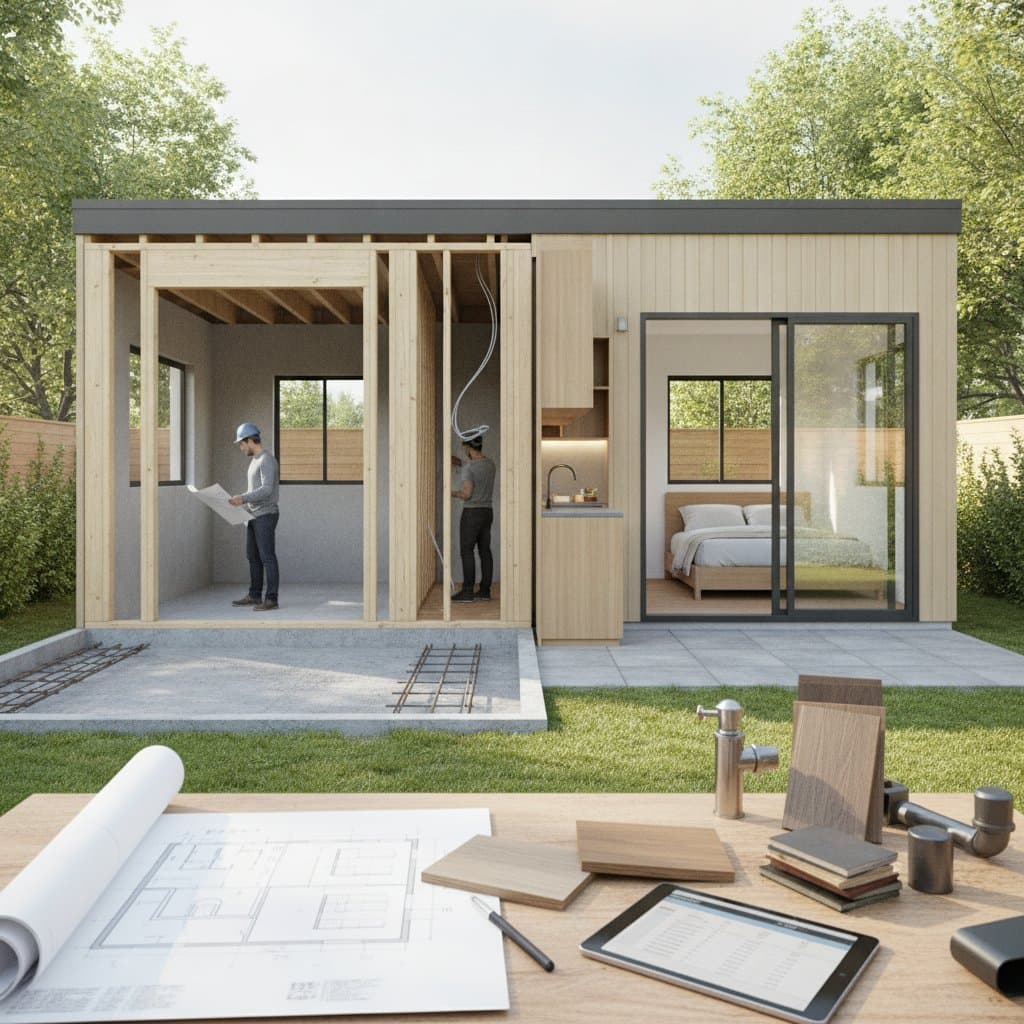
- Structural framing, thermal insulation, and wall finishing
- Simple kitchen setup with everyday appliances
- Complete bathroom featuring reliable fixtures
- Standard flooring, wall coatings, and illumination
These options span $120,000 to $170,000 and demand 8 to 12 weeks of construction following permit approval. They fit well for converting garages or basements into separate quarters for relatives or renters.
Premium or Comprehensive Conversion
Upscale services incorporate refined details and advanced features:
- Tailored storage solutions and resilient surface materials
- Efficient climate control systems
- Superior flooring options
- Seamless smart device and security integration
- Outdoor enhancements like planting and patios
Such projects range from $200,000 to $250,000, marking a 25 to 40 percent increase over basic setups. The added value manifests in elevated leasing potential and superior property assessments, proving advantageous in vibrant real estate environments.
Add-On Services and Bundled Benefits
Common enhancements involve solar energy setups at $8,000 to $12,000, acoustic isolation for $4,000 to $7,000, and mobility aids such as entry ramps or expanded doorways for $5,000 to $15,000. Integrating these during core work yields up to 10 percent in savings. Pairing ADU development with roofing renewals or insulation improvements heightens overall performance and trims energy outlays. Utilizing established contractor directories facilitates efficient coordination and expense control.
Professional vs. DIY Analysis
Undertaking an ADU project personally might seem economical at first glance, yet the intricacies of construction, utilities, and approvals often erode anticipated gains. DIY efforts demand:
- Supplies including lumber, wallboard, surfaces, and fittings amounting to $40,000 to $70,000
- Tools like cutting devices, power units, and elevation gear, totaling $2,000 to $5,000 for acquisition or leasing
- Dedicated machinery for wiring and piping tasks
- 400 to 600 hours of expert-level effort
Overlooked costs arise from approval setbacks, blueprint adjustments, and regulatory fixes. Professional involvement brings distinct benefits, including protected labor, guarantees worth $10,000 or greater, and specialized machinery access. Experts shorten timelines by up to 60 percent and avert expensive errors. The threshold for professional engagement typically aligns with projects needing diverse skills or major alterations. For the majority of owners, expert oversight guarantees regulatory adherence, security, and sustained asset worth.
Actionable Cost-Saving Strategies
Timing and Scheduling
Builders frequently extend discounts of 5 to 15 percent for work during quieter seasons. Reserving slots in late winter or early spring captures favorable pricing ahead of peak periods. Opting for weekday execution sidesteps elevated weekend surcharges.
Smart Shopping and Negotiation
Obtaining three detailed proposals fosters clarity and bargaining power. Vendors often extend volume reductions or prompt payment rebates reaching 3 percent. Procuring from nearby sources minimizes transport charges and bolsters local economies.
Preparation and Planning
Owners can trim expenses by managing preliminary chores like site clearance, fixture removal, or surface preparation, saving $2,000 to $5,000 based on scale. Utilizing collaborative digital tools with builders maintains schedules and prevents supplemental charges.
Market Dynamics and Considerations
Geographic Variations
Expenses vary by location. Coastal cities impose 25 to 40 percent surcharges from steep wages and fees. Outlying areas offer reduced rates but may face contractor scarcity. Regional standards dictate layout options and connection charges.
Market Timing and Inflation
Supply chain issues have driven up prices for essentials like wood and cement. Workforce gaps in active zones elevate per-hour fees. Securing bids promptly fixes rates and counters rising costs.
Long-Term Value and ROI
ADUs generate 6 to 10 percent yearly from leases and lift resale prices by up to 35 percent. Sustainable builds cut utility demands, and adaptable layouts meet shifting requirements. Recovery of investment occurs in 8 to 12 years via income or care cost avoidance.
Building Stronger Family Connections
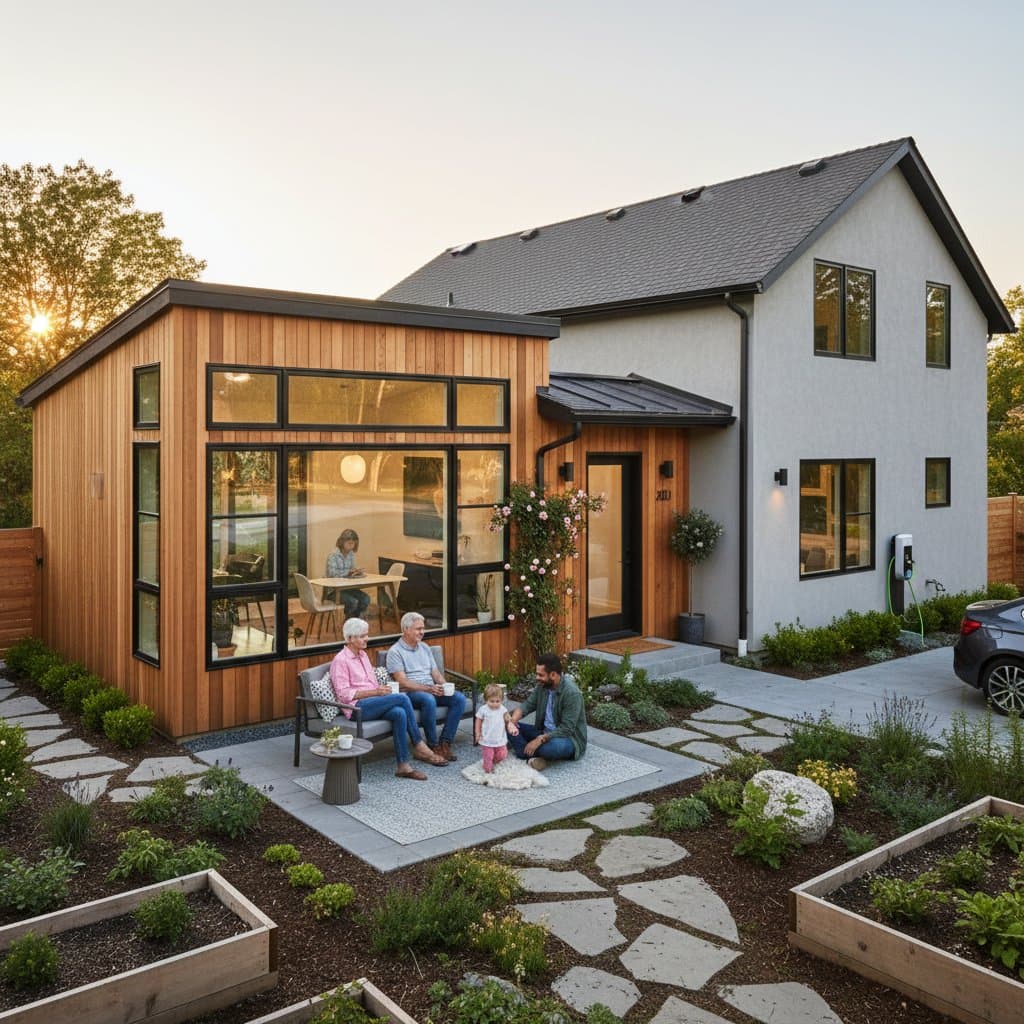
ADU conversions reshape shared living by blending nearness with seclusion. Aging parents reside securely alongside grown offspring, emerging households economize on shelter, and owners develop revenue sources on-site. The adaptability of these units positions them as ideal for dynamic family structures. Through meticulous design and skilled implementation, unused areas evolve into vital home expansions that foster enduring bonds.