Step 1: Outline Needs for Each Household
Identify current and potential future residents. Determine the required number of bedrooms, bathrooms, and communal areas. Consider factors such as mobility requirements or accessibility features. This assessment establishes clear objectives before proceeding to visualizations.
Step 2: Document Existing Layout
Measure each room accurately and analyze movement patterns throughout the home. Note the locations of plumbing lines, windows, and structural walls. Such details reveal opportunities for inexpensive modifications versus those demanding expert intervention, like rerouting pipes or reinforcing frameworks.
Step 3: Designate Shared and Private Areas
Allocate distinct zones tailored to different generations. Transform underutilized spaces, such as basements or garages, into independent living quarters. Position communal spaces, including kitchens and outdoor patios, centrally to facilitate interaction without compromising seclusion.
Step 4: Research Local Regulations
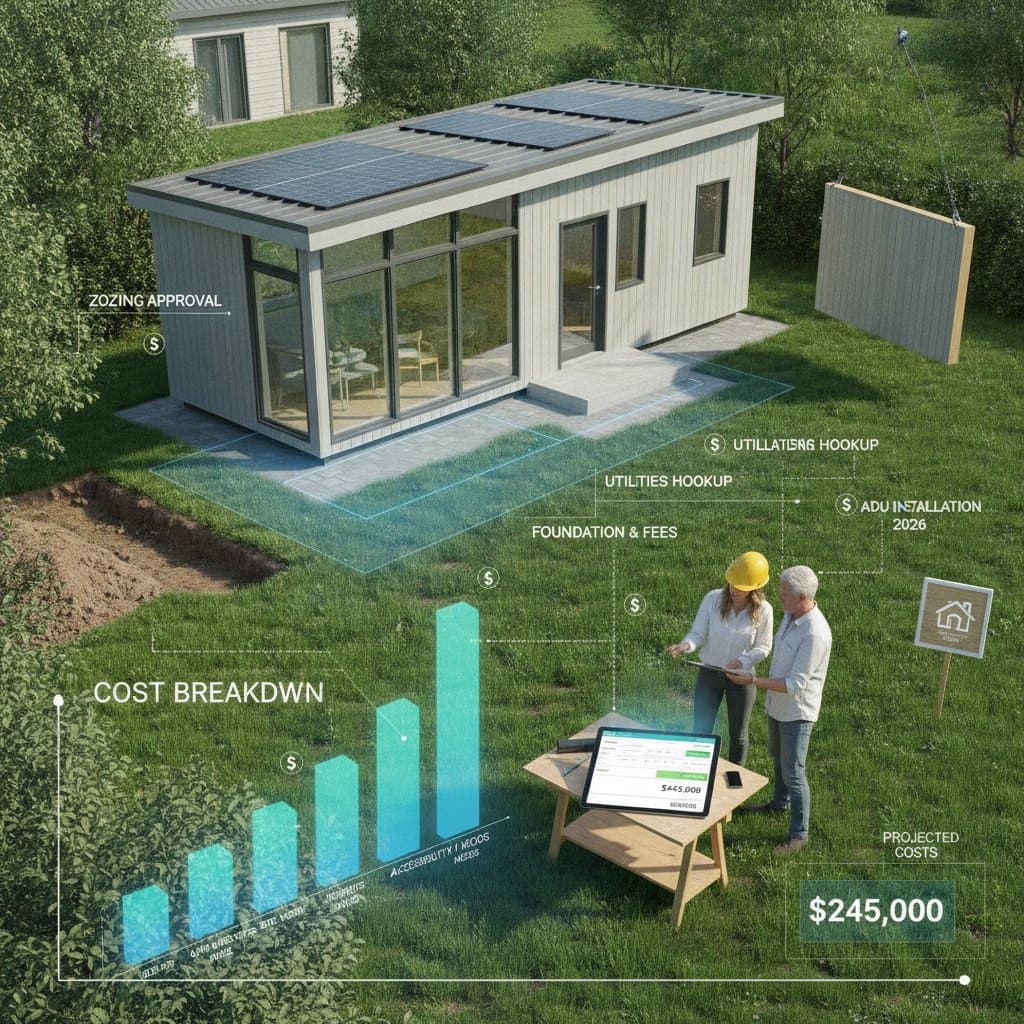
Investigate terminology specific to your area, such as accessory dwelling unit, in-law suite, or secondary suite. Many municipalities impose restrictions on the number of kitchens or mandate independent utility connections. Contact the local building department promptly to prevent redesigns based on overlooked rules.
Step 5: Establish Financial Parameters
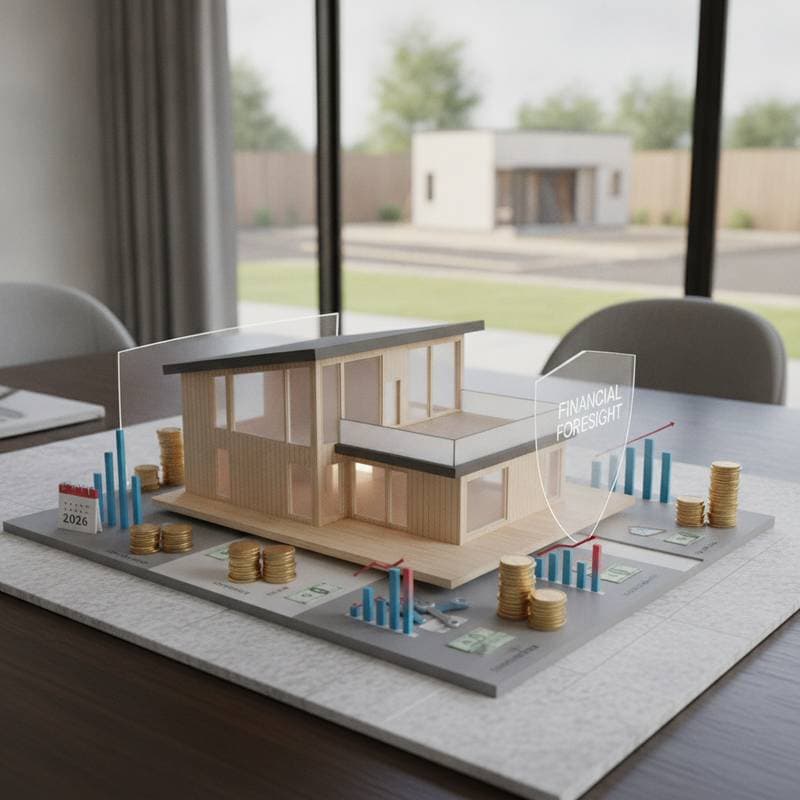
Categorize project elements into essentials and desirable additions. Account for costs related to permits, materials, and professional services. Allocate a contingency fund of 10 to 15 percent to address unforeseen issues. Identify tasks suitable for self-completion within safe limits.
Step 6: Develop Multiple Layout Concepts
Create at least three distinct sketches. One option could involve reconfiguring existing rooms, another might incorporate a modest accessory dwelling unit, and the third could feature internal wall relocations. Assess each for estimated expenses, privacy levels, and adherence to building codes.
Step 7: Incorporate Family Feedback
Present the proposed layouts to all intended occupants. Solicit opinions on critical aspects like privacy measures or accessibility. Refine the plans accordingly prior to engaging professionals.
Step 8: Consult Design and Construction Experts
With a refined idea in place, seek validation from qualified professionals regarding structural integrity and compliance. Request detailed cost breakdowns to enable informed adjustments to the project scope.
Step 9: Implement in Phases
For constrained budgets, begin with non-permitted alterations, such as installing doors, using movable dividers, or enhancing storage solutions. Defer more complex upgrades, like plumbing or electrical work, to subsequent stages.
Step 10: Evaluate Ongoing Expenses
Multiple kitchens or divided heating zones elevate operational costs. Consult contractors on energy-efficient appliances, improved insulation, and integrated systems designed to minimize utility bills over time.
DIY Approaches Versus Professional Services
Suitable for DIY Efforts
- Applying paint, laying flooring, and fitting interior doors.
- Constructing simple frames for closets or non-load-bearing partitions.
- Installing non-structural drywall and finishing trim.
- Replacing light fixtures or outlet covers.
Best Handled by Professionals
- Removing load-bearing walls or installing support beams.
- Extending plumbing or gas lines.
- Upgrading electrical systems or dividing panels.
- Modifying heating, ventilation, and air conditioning for zoned control or duct extensions.
Rationale for This Division
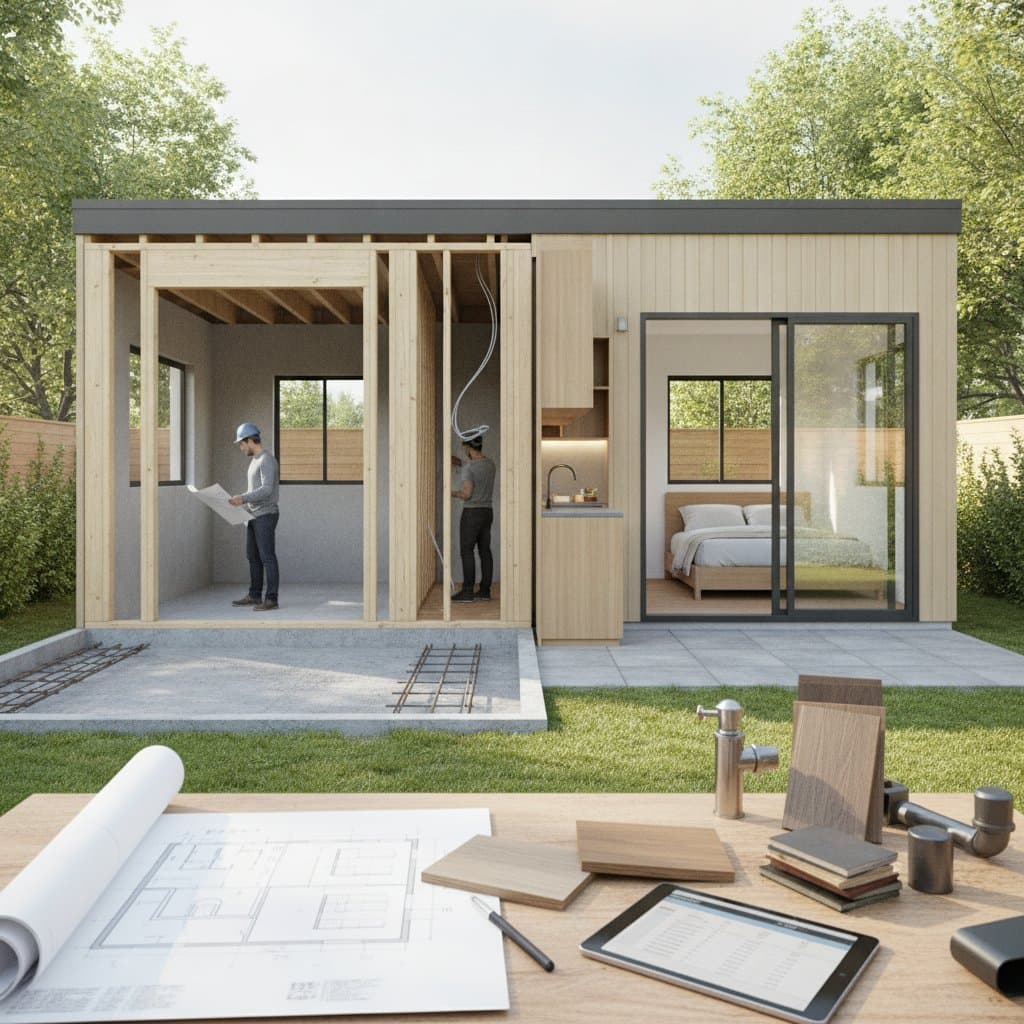
Professionals with licenses manage necessary permits, inspections, and liability protection. Errors in plumbing or electrical work during DIY attempts risk invalidating warranties or creating dangerous conditions. Homeowners can reduce expenses by handling cosmetic finishes once structural elements receive expert completion.
Viable Design Alternatives
Alternative A: Converting Interior Spaces to Suites
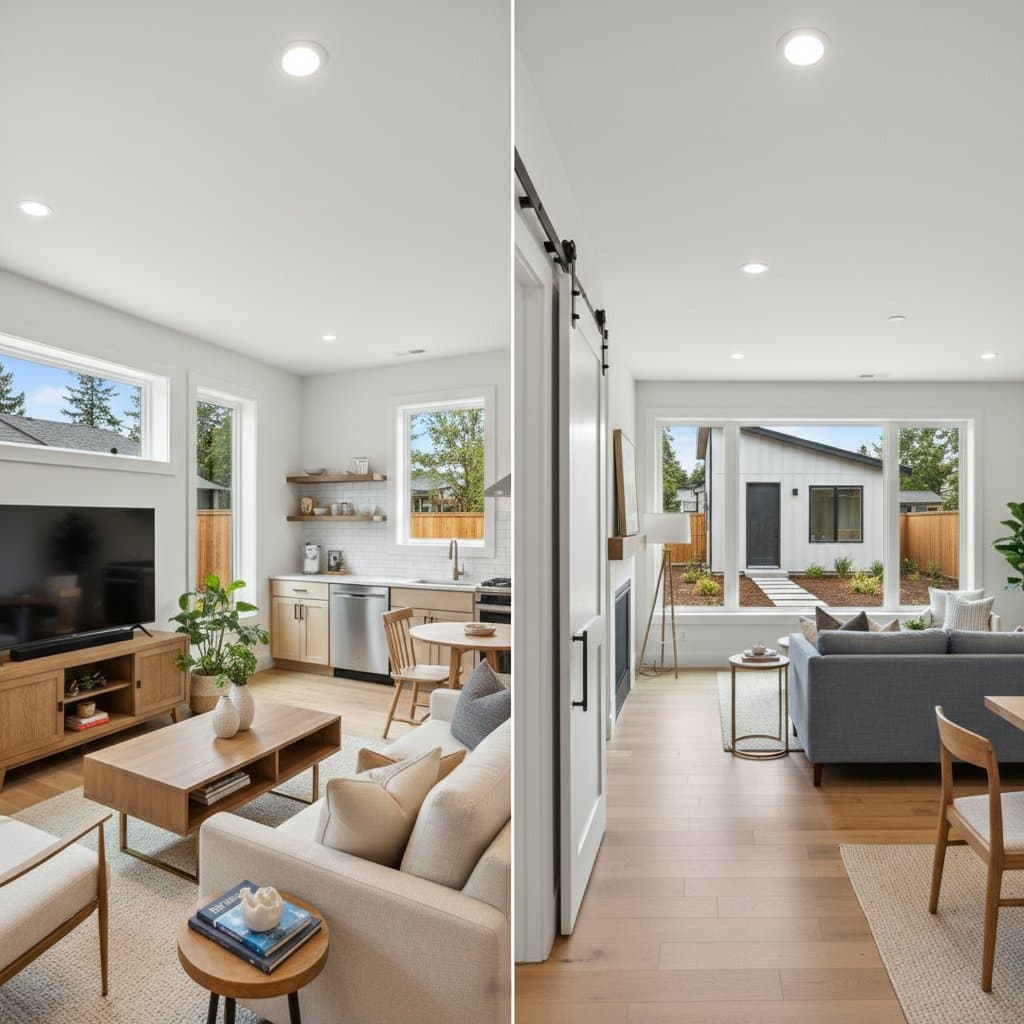
Repurpose areas like basements, attics, or spaces above garages into compact living suites. This approach suits families seeking closeness without major additions. However, challenges include reduced natural lighting and possible noise transmission between levels.
Alternative B: Constructing a Detached Accessory Dwelling Unit
Erect a compact, independent structure in the backyard. This provides maximum privacy and potential for future rental revenue. Drawbacks encompass elevated construction expenses and rigorous permitting processes.
Alternative C: Central Core with Branching Private Areas
Center the design around a single kitchen and living space, with bedrooms and bathrooms extending outward. This configuration controls costs effectively but demands clear delineations to preserve personal space.
Cost-Saving Design Techniques
Leverage Existing Infrastructure
Position new bathrooms or kitchens adjacent to current plumbing routes to minimize labor and material demands. Retaining the primary drain stack and water supply lines in their original locations can eliminate thousands in potential expenses.
Refurbish Rather Than Replace
Revitalize cabinets, lighting fixtures, and flooring through refinishing processes. A fresh coat of durable enamel paint combined with updated hardware delivers a contemporary appearance at a minimal fraction of full replacement costs.
Incorporate Versatile Furnishings
Select items like wall-mounted Murphy beds, retractable desks, and adaptable modular seating to enable dual-purpose rooms. These solutions prove essential in confined areas where physical expansion remains unfeasible.
Anticipate Accessibility Requirements
Incorporate features such as wider doorways and barrier-free showers from the outset, even if immediate needs do not exist. The incremental expense during initial construction pales in comparison to the costs of later adaptations.
Select Resilient Materials
High-traffic environments in multigenerational homes necessitate durable choices. Opt for moisture-resistant, scratch-proof flooring options like luxury vinyl planks or ceramic tiles. Apply easy-to-clean paints in frequently contacted zones.
Assessing Suitability for Your Home
Spatial Compatibility:
Verify if your property permits expansions or standalone units. Calculate required yard setbacks and evaluate drainage patterns to ensure feasibility.
Climatic Considerations:
In regions with harsh winters, connect additional units to the main structure to conserve heat. In milder climates, independent accessory dwelling units may lower air conditioning demands.
Lifestyle Alignment:
Reflect on daily routines, such as shared meals versus independent cooking. Tailor the layout to match the degree of interaction that supports your family's harmony.
Expert Recommendations for Optimal Results
- Address Acoustics from the Start. Install sound-absorbing insulation within dividing walls and opt for solid-core doors to separate living zones.
- Maximize Storage Integration. Multigenerational setups benefit from ample organization; incorporate built-in shelving or utilize under-stair compartments.
- Provide Independent Access Points. A dedicated side entrance, even if modest, enhances privacy and eases daily movement.
- Account for Vehicle Needs. Multiple households increase parking demands; consider permeable paving materials or consolidated driveway designs.
- Foster Ongoing Dialogue. Establish household guidelines collaboratively before construction commences to prevent future conflicts.
Realizing the Benefits of Unified Living
Budget-friendly multigenerational designs transform existing homes into supportive environments that nurture family ties. By prioritizing smart planning and phased implementations, families achieve privacy, efficiency, and adaptability without excessive spending. These strategies not only control costs but also build lasting foundations for shared experiences and mutual care.