Essential Upgrades to Prevent Home Flood Damage
Homeowners face increasing risks from flooding due to heavier rains and rising water tables. Proactive upgrades transform vulnerable properties into resilient structures. This guide outlines key strategies, from basic drainage improvements to advanced floodproofing, tailored for 2026 conditions.
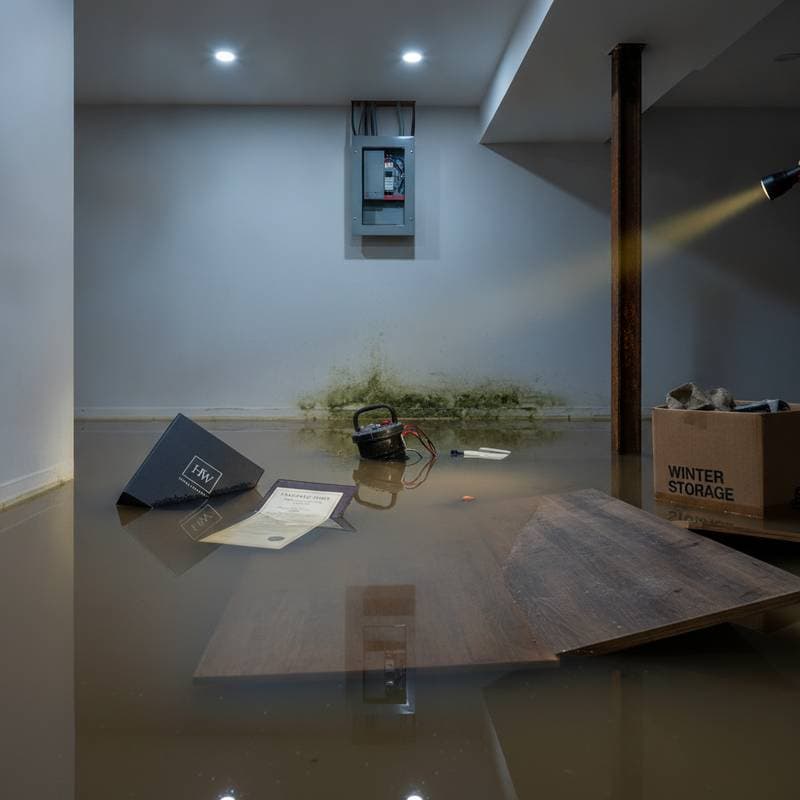
Effective flood prevention begins with understanding local risks. Consult flood maps from government resources to identify your area's base flood elevation. Then, prioritize upgrades that address water entry points around the foundation. These measures not only safeguard against immediate damage but also enhance overall property durability.
Key Flood Prevention Upgrades
Start with foundational adjustments to redirect water away from your home. Proper site grading slopes the ground at least six inches over ten feet, ensuring runoff moves from walls and footings. This simple change prevents pooling near the base and reduces hydrostatic pressure on foundations.
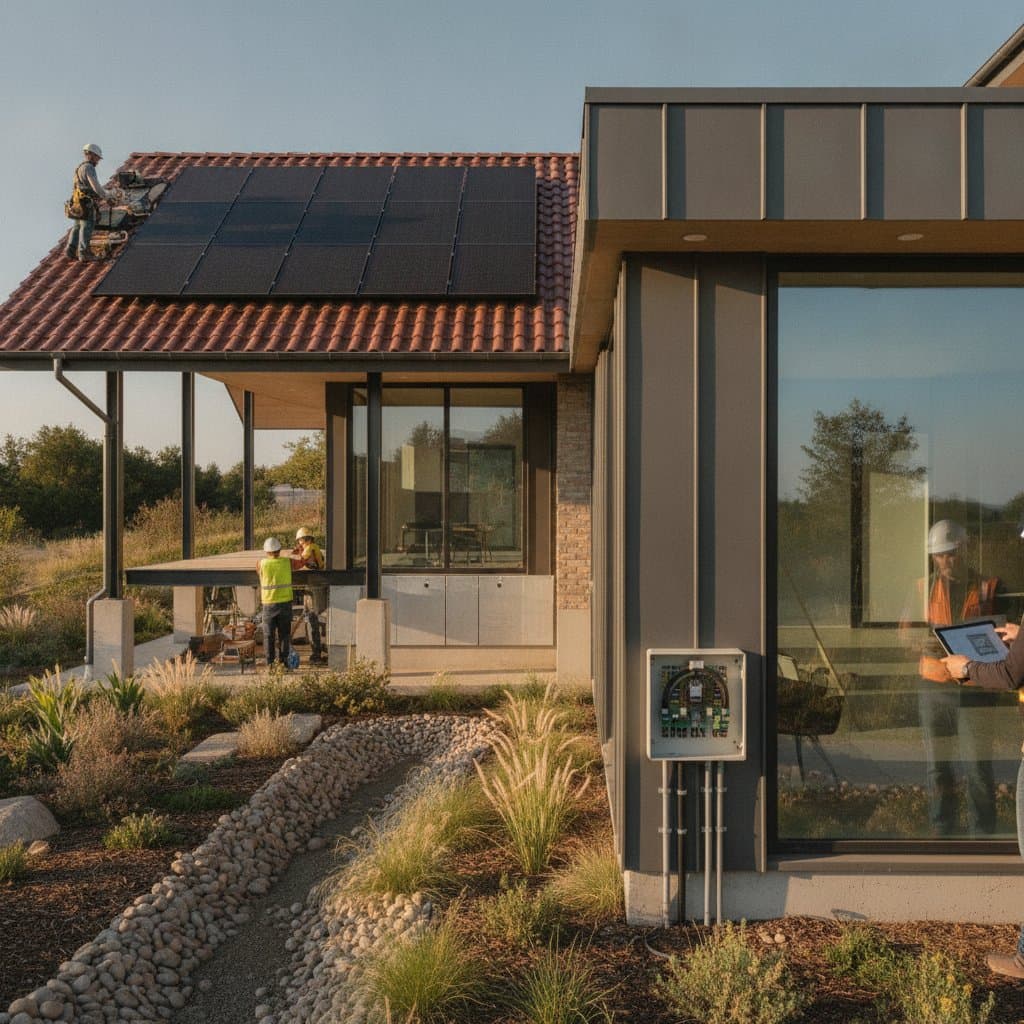
Install or extend downspouts to discharge water at least five feet from the house. Use splash blocks or buried pipes to guide flow toward street drains or dry wells. In clay-heavy soils, consider French drains: perforated pipes wrapped in fabric and buried in gravel trenches to capture subsurface water.
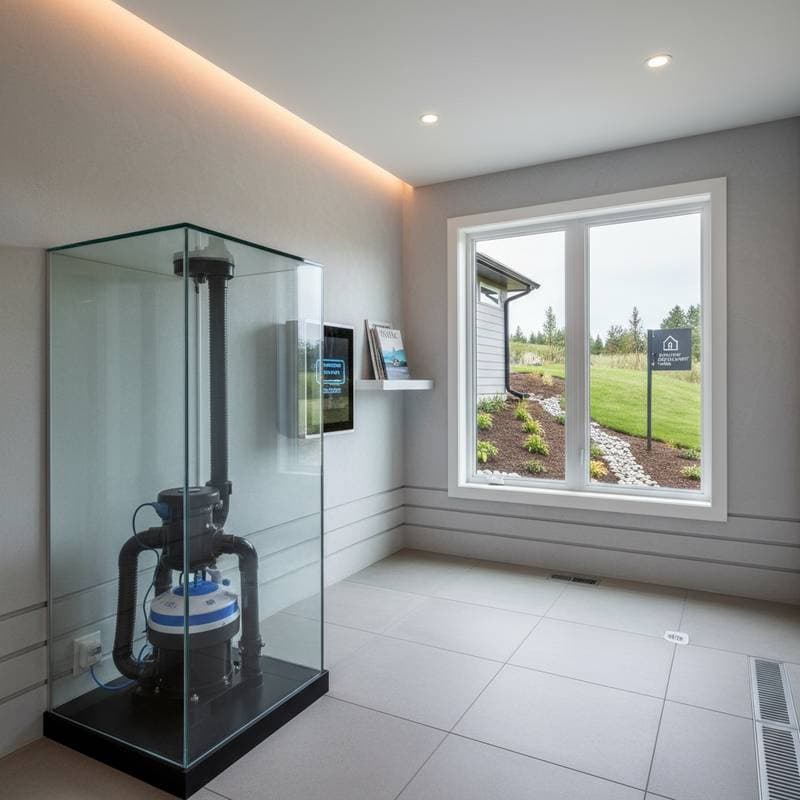
Sump pumps serve as a critical line of defense in basements and crawl spaces. Battery backups ensure operation during power outages, while alarms alert to failures. For high-water-table areas, opt for pedestal or submersible models rated for continuous duty.
Waterproofing the foundation involves applying bituminous coatings or crystalline sealants to exterior walls. Excavate around the perimeter if needed, then backfill with permeable soil to maintain drainage. Interior systems, like dimple membranes, channel water to sump pits without disrupting living spaces.
Elevate utilities and mechanical systems above the base flood level. Raise HVAC units on concrete pads and relocate electrical panels to upper floors. Flood vents in crawl space walls allow water to flow through rather than exert pressure, complying with building codes in many regions.
For coastal or riverine properties, consider whole-home elevation using piers, pilings, or breakaway walls. These methods lift the structure above predicted flood heights, preserving access while minimizing wind load impacts.
Maintenance and Lifespan
Regular upkeep maximizes the effectiveness of flood protection systems. Schedule inspections to catch issues early and extend component longevity.
- Gutters and downspouts: Clean twice annually, or more frequently in tree-dense areas, to prevent clogs that cause overflow onto foundations.
- Sump pumps: Test quarterly by adding water to the pit; listen for proper activation and discharge. Replace units every seven to ten years to avoid unexpected failures.
- Drainage swales: Check after heavy rains for silt or debris accumulation; clear as needed to maintain flow capacity.
- Foundation coatings: Reapply every ten to fifteen years, based on soil exposure and weathering; inspect for cracks annually.
- Flood vents: Ensure hinges operate smoothly and screens remain intact; clear debris yearly to guarantee automatic opening during floods.
Diligent maintenance prevents minor problems from escalating into major water intrusions. Document all service records for insurance claims and resale documentation.
Common Questions
What serves as the best initial step for a basement that floods frequently?
Focus on exterior grading and extending downspouts first. If intrusion persists, install a sump pump paired with an interior drain tile system around the perimeter.
Does waterproof paint halt flooding?
Waterproof paint manages minor seepage and dampness effectively. However, it fails against standing water; integrate it with comprehensive drainage and sealing approaches for robust defense.
Do flood vents compromise home security or energy efficiency?
Contemporary designs feature secure screens and insulated flaps that seal tightly under normal conditions. They activate solely under water pressure, preserving barriers without efficiency losses.
Is sump pump installation possible without a dedicated pit?
A pit remains essential to collect and direct water for efficient pumping. Bypassing this step leads to frequent cycling, motor strain, and premature breakdown.
Does floodproofing elevate home value?
Affirmative, particularly in vulnerable zones. Documented protections appeal to buyers, while premium reductions recoup installation expenses over time.
Sustainability and Long-Term Durability
Sustainable choices in flood upgrades promote environmental stewardship alongside protection. Select materials that endure moisture without frequent replacements, minimizing landfill contributions.
Epoxy-sealed concrete floors and composite baseboards resist mold growth and structural decay. Closed-cell spray foam insulation provides superior water resistance and thermal performance, reducing heating and cooling demands.
During grading projects, repurpose excavated soil and stone to cut transportation emissions. Source gravel locally and incorporate recycled plastic pipes for drainage lines. For exterior elements, choose cedar or pressure-treated engineered wood that withstands rot without chemical leaching.
Positioning mechanical equipment above flood levels enhances operational reliability. Cleaner air intake prevents corrosion, and elevated placements avoid submersion-related electrical hazards, leading to lower energy consumption over the system's life.
These practices align flood resilience with green building principles. They foster homes that adapt to climate challenges while conserving resources for future generations.
Insurance and ROI Considerations
Investing in flood upgrades delivers financial benefits beyond immediate protection. Insurers recognize proven mitigations with premium adjustments that accelerate payback periods.
Qualified installations, such as sump pumps with battery backups and audible alarms, backflow preventers on sewer lines, and engineered flood vents, qualify for discounts up to fifteen percent. Elevated structures in designated flood zones may secure even greater reductions, sometimes halving coverage costs.
Calculate return on investment based on regional hazards. In high-risk locales, a drainage overhaul costing two thousand dollars averts damages exceeding twenty thousand. Even in low-probability areas, enhancements build buyer trust, supporting higher sale prices and faster closings.
Track all upgrade costs, contractor certifications, and before-after assessments. These records streamline insurance applications and demonstrate value during property transactions.
Steps to Implement Protection
Initiate with accessible tasks to build momentum. Clear gutters thoroughly, test sump pump functionality, and observe surface water patterns during rain events to confirm diversion from the foundation.
Advance to a professional drainage assessment if issues linger. Experts use laser levels and soil tests to pinpoint flow problems, recommending targeted fixes like swale deepening or berm construction.
In floodplain locations, develop a comprehensive floodproofing strategy. Blend dry floodproofing, such as wall sealing and utility elevation, with wet methods like vented foundations for optimal results. Budget for permits and engineering reviews to ensure code compliance.
Maintain vigilance through seasonal checks. Photograph installations and log maintenance activities. This ongoing commitment fortifies your home against water threats, securing peace of mind and financial stability.