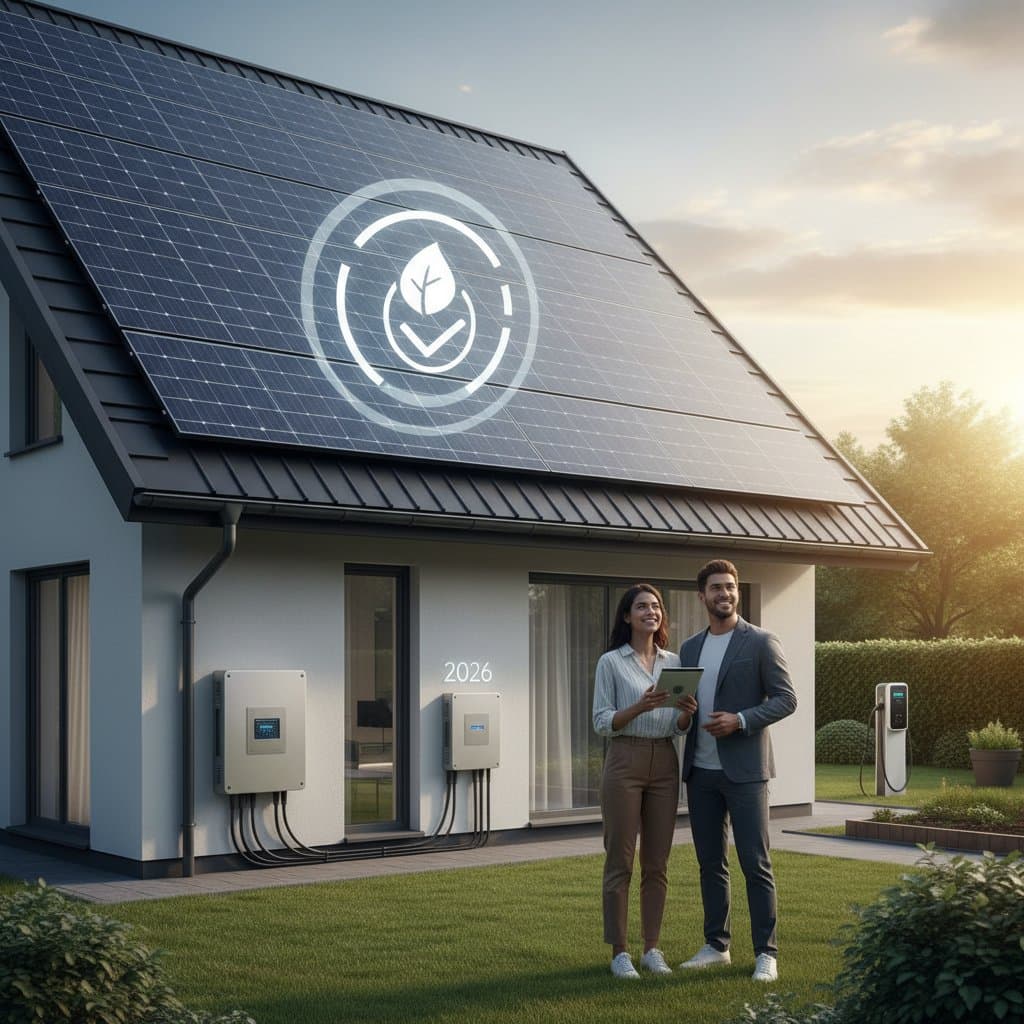
Reduce Solar Ownership Expenses with Home Warranty Coverage
Homeowners benefit from decreased long-term expenses associated with solar systems through broadened home warranty options. Numerous providers now incorporate solar panels, inverters, and associated elements into their core or supplemental policies. Such inclusions deliver consistent repair expenses and safeguard against substantial failures of critical equipment.
Solar installations represent significant investments, often costing tens of thousands of dollars. Without adequate protection, a single inverter failure can lead to repair bills exceeding $2,000. Home warranties address this vulnerability by shifting the financial burden of unexpected breakdowns to the insurer, allowing owners to focus on energy savings rather than repair worries.
Key Coverage Overview
Definition: A specialized home warranty extension that encompasses solar panels, inverters, and electrical connections.
Importance: Shields against elevated expenses for repairs or replacements following component malfunctions.
Average Pricing: Monthly premiums range from $40 to $80, accompanied by service fees of $75 to $150 per incident.
Professional Involvement: Engage certified electricians or solar specialists exclusively for warranty-approved services.
Claim Processing Time: Providers typically resolve claims in one to two weeks.
Recommended Maintenance: Perform panel cleaning biannually and conduct hardware inspections annually.
These elements ensure that solar systems remain operational with minimal disruption to homeowners' budgets.
Operational Mechanics of Solar Home Warranties
Solar home warranties operate similarly to conventional home service agreements. Policyholders remit monthly or yearly premiums to maintain active coverage. Upon failure of a designated solar element, the warranty provider dispatches an authorized contractor for assessment and remediation. Homeowners cover solely the predetermined service fee, with the policy handling remaining costs up to specified thresholds.
This structure simplifies the repair process, eliminating the need for owners to source technicians independently or negotiate payments. Providers maintain networks of vetted professionals, ensuring compliance with local codes and manufacturer specifications. As a result, repairs proceed efficiently, often restoring full system functionality within days.
Included Elements
-
Solar Panels: Coverage for substitution of fractured or underperforming panels, addressing issues like microcracks or delamination.
-
Inverters: Remediation or renewal of units responsible for DC-to-AC power conversion, tackling common failures such as overheating or firmware glitches.
-
Wiring and Connectors: Rectification of deteriorated, unsecured, or impaired electrical pathways that could compromise system efficiency.
-
Monitoring Systems: Revival of connectivity for performance analytics, enabling accurate tracking of energy output.
-
Mounting Structures: Realignment or renewal of racking components to prevent sagging or detachment over time.
These provisions target the most frequent points of failure in solar setups, based on industry data showing inverters account for nearly 40 percent of service calls.
Exclusions from Coverage
-
Leaks in roofing structures not directly attributable to solar mounting.
-
Energy storage batteries, available only through explicit addendums.
-
Aesthetic deteriorations, such as discoloration on panel surfaces.
-
Damage from severe weather events, deferred to standard homeowners insurance policies.
Understanding these boundaries helps homeowners layer protections appropriately, combining warranties with insurance for comprehensive safeguarding.
Guide to Utilizing Solar Warranty Claims
Navigating a solar warranty claim requires systematic steps to ensure smooth resolution.
-
Verify Policy Scope: Examine contract documents to confirm inclusion of affected components and any usage restrictions.
-
Initiate Claim: Notify the provider promptly upon detecting a malfunction, supplying details like system age and symptoms.
-
Arrange Inspection: The provider coordinates with a qualified contractor for on-site evaluation.
-
Submit Service Payment: Remit the fixed fee upon the technician's arrival to commence work.
-
Execute Repairs: The specialist performs necessary interventions, adhering to safety protocols.
-
Monitor Caps: Document all claims to track progress toward yearly coverage limits, typically $1,000 to $3,000 per component.
Following this sequence minimizes downtime, with many providers offering 24/7 claim hotlines for urgent issues.
Comparing DIY Approaches and Professional Services| Factor| DIY Approach| Professional Service|
|-----------------|---------------------------------------|---------------------------------------|
| Skill Requirement | Requires intermediate electrical expertise | Performed by certified solar technicians |
| Safety Concerns | Elevated risks from energized wires and elevated work | Mitigated through specialist liability coverage |
| Equipment Needs | Includes multimeters, ladders, and harnesses | Utilizes advanced diagnostics and rigging |
| Regulatory Compliance | Subject to local permitting hurdles for self-work | Ensures adherence to all building codes |
| Duration| Spans 4 to 8 hours for assessment and fixes | Generally completes in 1 to 2 hours|
| Coverage Effects| Often invalidates warranty terms| Preserves full policy benefits|
Repairs on solar arrays demand caution due to high-voltage elements and structural hazards. Professionals possess the certifications to handle these complexities safely. Limit self-efforts to non-invasive checks, such as surface cleaning or output monitoring, to avoid voiding protections.
Strategies for Maintenance and Prolonging System Durability
Consistent maintenance practices not only prolong equipment life but also fulfill warranty stipulations, preventing claim denials.
Solar arrays endure for more than 25 years under optimal conditions, though inverters may require updates after 10 to 15 years. Warranties that address both extend financial predictability across the installation's cycle, potentially saving thousands in out-of-pocket costs.
Established Maintenance Routine
-
Cleaning Protocols: Wipe panels twice per year in areas prone to dust accumulation or seasonal allergens to sustain peak efficiency.
-
Inspection Cycles: Survey for signs of wear, such as rust or instability, during annual spring assessments.
-
Inverter Monitoring: Review status indicators each month to detect early irregularities in operation.
-
Performance Audits: Validate energy production metrics every three months via integrated software.
Additional measures include trimming nearby vegetation to avoid shading and ensuring proper grounding to mitigate electrical faults. These habits can boost output by up to 20 percent and defer major interventions.
Frequently Asked Questions
Which solar system elements does a home warranty typically protect?
Panels, inverters, wiring conduits, and performance trackers fall under standard inclusions.
Does coverage extend to damage from weather phenomena?
No, such incidents require homeowners insurance; warranties focus on mechanical breakdowns.
Is warranty transfer possible during property sales?
Yes, providers generally permit transfers for a nominal processing charge, maintaining buyer continuity.
Do plans encompass routine preventive services?
Certain policies offer yearly checkups, while others limit to reactive repairs only.
How do coverage limits influence claim outcomes?
Annual caps per item dictate maximum reimbursements; exceeding them shifts costs to the owner.
Implement Solar Protection Measures
To capitalize on these warranty advantages, evaluate providers specializing in renewable integrations. Compare premiums against system value and review exclusion clauses meticulously. Selecting a plan aligned with your solar setup secures long-term reliability and enhances return on investment through uninterrupted energy generation.