Layouts That Harmonize Multigenerational Homes
Creating a home where multiple generations live comfortably under one roof involves more than simply adding bedrooms or an accessory dwelling unit. Thoughtful layouts balance privacy and connection, while addressing financial practicality and long-term adaptability. Design choices, such as shared kitchen access or separate entrances, shape household dynamics both emotionally and economically. A structured evaluation of these elements ensures family harmony and fiscal sustainability.
Defining Multigenerational Living
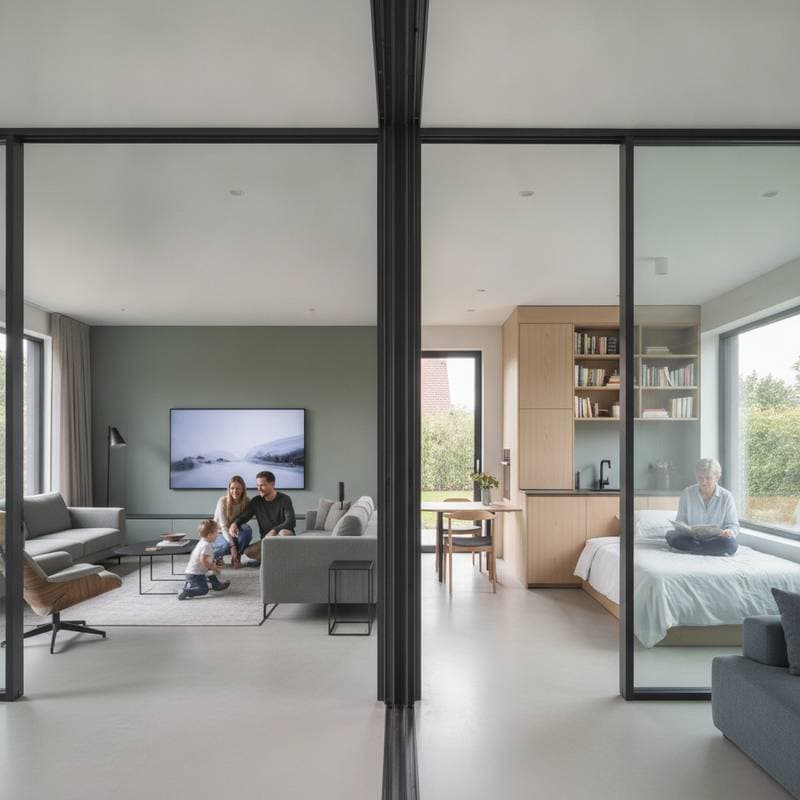
Multigenerational homes house at least two adult generations on the same property. These arrangements often include grandparents, adult children, and grandchildren, or independent adults seeking proximity and cost-sharing. Structures range from a single large home with defined zones to dual-living setups with separate suites, or an accessory dwelling unit on the property. The primary objective stays consistent: provide independence for each resident alongside easy family support.
Design challenges center on integrating shared and private spaces without sacrificing personal comfort. Effective plans establish subtle boundaries that reduce tension and foster interaction. For instance, position common areas like the living room centrally, while placing bedrooms in quieter wings.
Cost Structure and Financial Implications
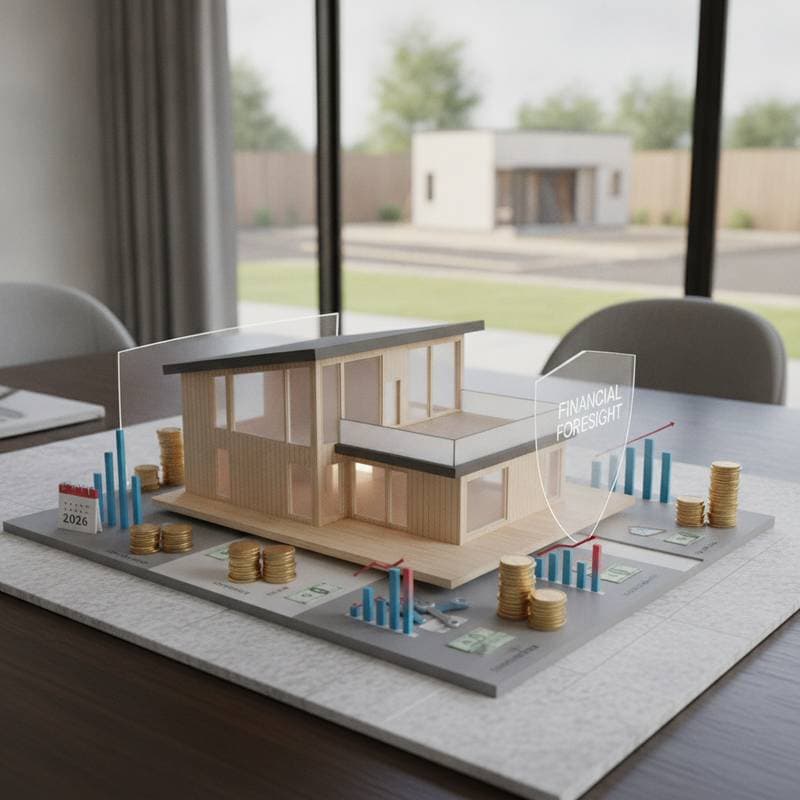
Homeowners must review all cost components before starting construction or renovation, beyond initial estimates. Key categories encompass building or remodeling expenses, permits, and ongoing maintenance. Dual-living setups often necessitate separate heating, ventilation, and air conditioning systems, soundproofing, and distinct plumbing lines. These features elevate initial investments yet minimize future disputes and enhance property value.
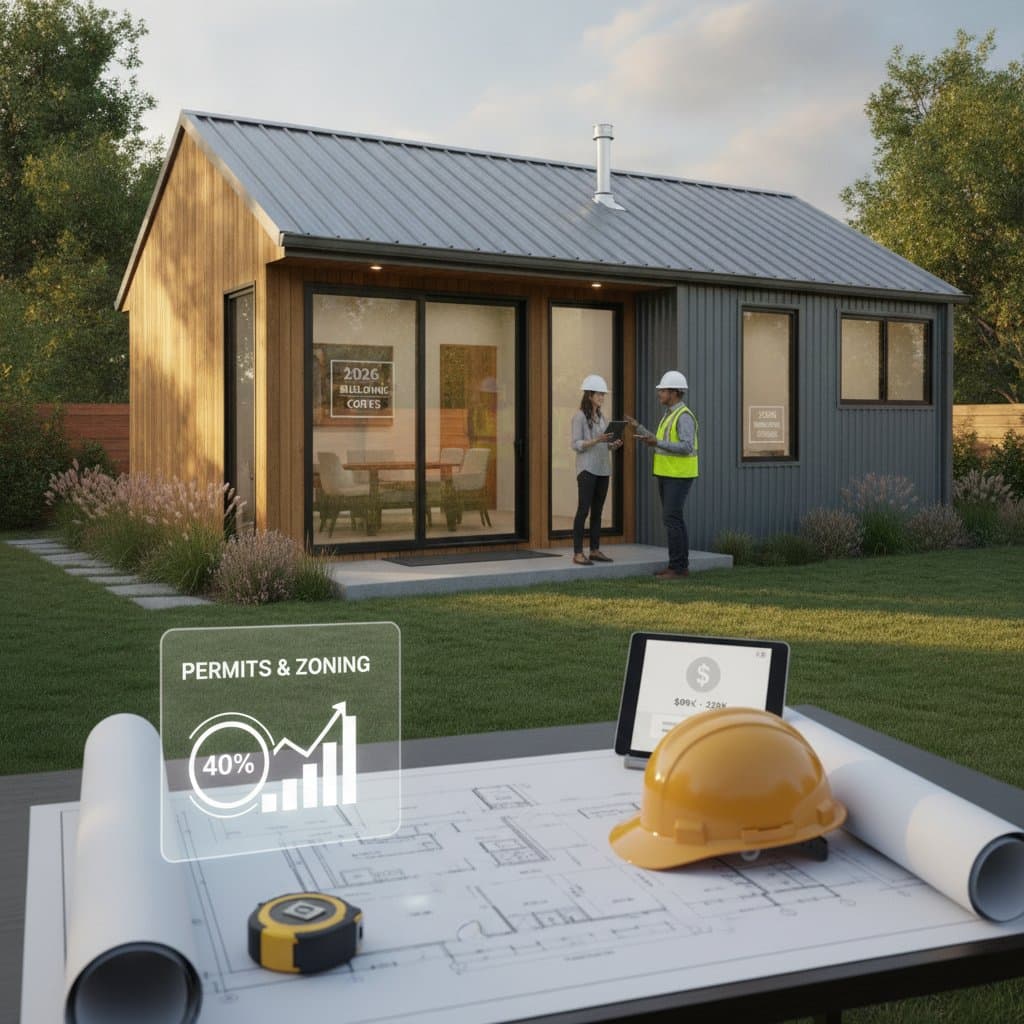
Accessory dwelling units introduce further financial considerations, including utility extensions, impact fees, and insurance modifications. Costs for a compact detached unit vary by size and materials, typically ranging from $50,000 to $150,000. Calculate total ownership expenses over five to ten years, factoring in maintenance, property taxes, and potential rental income where regulations allow. Compare these against separate housing costs to determine net savings.
Evaluating Layout Configurations
Optimal multigenerational layouts prioritize accessibility, privacy, and flexibility, tailored to property limitations and household requirements. Consider mobility needs, daily schedules, and interaction preferences during selection.
Common configurations include:
- Split-level or dual-entry homes: Separate entrances and living areas coexist with shared outdoor or recreational spaces, ideal for maintaining autonomy.
- Main suite with secondary dwelling: A primary residence links to a smaller unit via a shared wall or breezeway, offering closeness without intrusion.
- Single-story zoned layout: Floor plans divide into wings around central amenities, promoting unity and adaptability.
- Basement or garage conversions: These budget-friendly options demand focus on ventilation, emergency exits, and sound isolation.
Assess each option against daily routines. Grandparents might benefit from kitchen and laundry proximity, whereas younger adults could value a private entrance or dedicated workspace.
Step-by-Step Planning Process
Follow a systematic process to sidestep expensive errors.
- Initial assessment: Map space usage for each generation, noting activities, noise tolerances, and privacy preferences.
- Design consultation: Consult an architect versed in universal design. Solicit several layout sketches with detailed explanations.
- Financial review: Secure detailed quotes for construction, permits, and utility projections. Weigh these against independent living expenses.
- Approval and compliance: Check zoning laws on accessory dwelling units and occupancy caps. Confirm restrictions on rentals or size limits.
- Construction and inspection: Mandate adherence to accessibility, soundproofing, and fire safety standards by contractors.
- Post-completion review: After occupancy, gauge comfort and tweak elements like furniture arrangements or shared schedules.
This sequence builds a resilient foundation for the home.
Coverage and Limitation Considerations
When funding through home warranties or insurance programs, scrutinize policy terms. Certain plans omit detached units or secondary kitchens from coverage. Others restrict payouts for non-approved contractors. Verify inclusion for separate electrical or heating systems to avoid surprises.
Consider this coverage overview:
| Coverage Level | Monthly Cost | Service Fee | Coverage Limits | Key Exclusions |
|---|---|---|---|---|
| Basic Plan | $45 to $65 | $75 | Up to $500 per incident | Detached ADUs, plumbing reroutes |
| Premium Plan | $70 to $95 | $100 | Up to $1,000 per incident | Non-standard electrical components |
Detailed knowledge facilitates smooth claims for repairs or enhancements.
Long-Term Financial Planning
Multigenerational setups redistribute financial loads, potentially cutting caregiving costs while raising utilities. Maintenance demands grow with shared spaces. Conduct a comprehensive analysis covering appliance lifespans, yard care, and building upkeep.
Tailor financing to ownership dynamics. Proportional mortgage contributions suit some families, while others adopt rental agreements for utility and repair shares. Document terms in writing to clarify roles and avert disagreements.
Explore rental offsets when space sits idle, adhering to local rules on short- or long-term leases. Compliance checks prior to listing safeguard legal standing.
Risk Mitigation and Consumer Protection
Projects with multiple stakeholders heighten miscommunication risks. Document agreements on payments, upkeep, and timelines to foster trust.
Select contractors with verified licenses and insurance. Gather three bids for significant tasks and contact references. Steer clear of vague change-order terms without price limits. Thorough records promote fairness and deter overcharges.
Prioritize inspections to uphold value. Unpermitted accessory dwelling units hinder sales or loans. Organized documentation aids appraisals and resales.
Creating Flexible and Functional Spaces
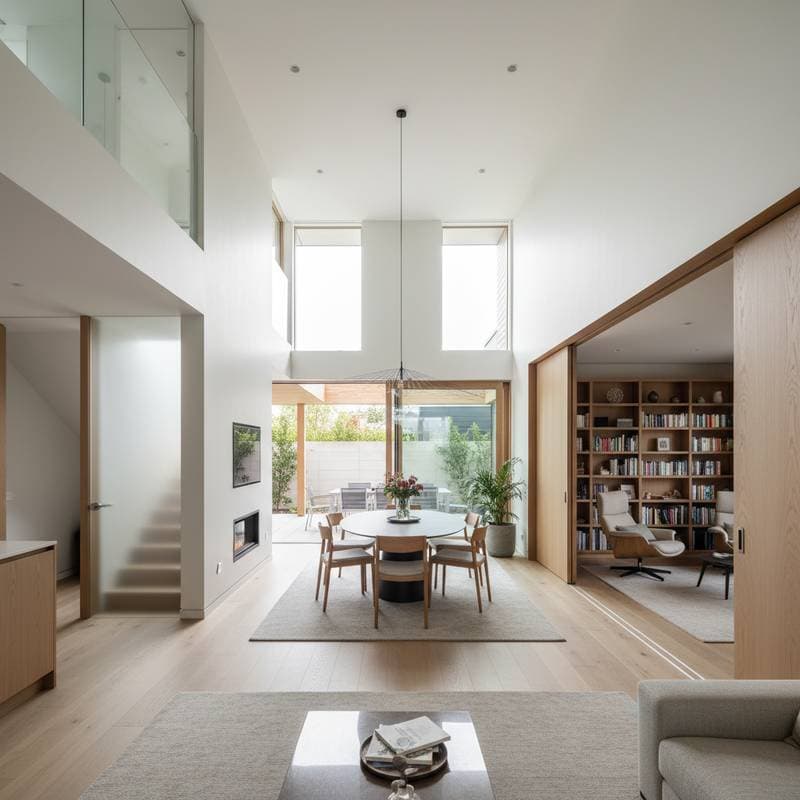
Enduring designs incorporate adaptability through sliding partitions, multifunctional furniture, and modular shelving. A current grandparent suite might transform into an office or guest room as needs shift. Such investments curb later remodeling needs and sustain harmony.
Safeguarding Family and Financial Well-Being
Thoughtful multigenerational homes nurture lasting bonds while securing assets. By integrating privacy with connection, families build resilient living environments. These spaces not only meet immediate requirements but also adapt to future changes, delivering enduring value and peace of mind.