Installation Practices for Securing Long-Term Air Quality Warranties
Indoor air purity extends beyond selecting a high-performance filtration system. The installation process, ongoing maintenance, and detailed records determine the system's effectiveness and warranty protection. Many homeowners prioritize brand reputation and filter efficiency while neglecting warranty conditions that influence repair expenses and dispute resolutions. A properly installed air purification system with intact coverage safeguards health and finances. In contrast, flawed installation or inadequate documentation exposes owners to significant risks.
This guide explores the interplay between installation methods and warranty longevity. It analyzes financial elements, procedural requirements, and technical considerations that uphold coverage over time.
Evaluating Costs and Financial Aspects
The worth of a warranty hinges on the balance among system price, projected durability, and reimbursement caps. For instance, a $2,000 filtration unit with a $500 limit per claim and a $75 technician fee demands scrutiny. Frequent minor issues, such as two annual repairs, might result in service costs surpassing warranty benefits.
Savvy homeowners review these factors prior to commitment:
- Initial costs: System price encompassing professional installation.
- Visit charges: Fees for service calls, even under covered claims.
- Reimbursement ceilings: Highest payout per event or yearly total.
- Value reduction policies: Decreased coverage for aging components.
- Unreimbursed costs: Outlays beyond provider responsibility.
Such evaluation shows that premium plans do not always offer optimal protection. Owners benefit from assessing failure probabilities alongside multi-year ownership expenses.
Frequent Installation Errors Leading to Warranty Invalidations
Some homeowners opt for self-installation or partial professional help to cut costs, yet these choices often lead to warranty lapses. Key problems arise from:
- Faulty electrical wiring: Employing unapproved cables violates safety standards and prompts claim rejections.
- Misaligned ductwork: Incorrect positioning disrupts airflow balance, causing wear deemed as operational abuse.
- Leaky connections: Unsealed areas allow contaminant accumulation, interpreted as maintenance oversight.
- Substandard filters: Using alternatives to specified models breaches manufacturer guidelines.
- Inadequate documentation: Absence of receipts, photos, or certifications hinders proof of compliant setup.
These oversights transfer responsibility to the owner. Manufacturers scrutinize such details to distinguish defects from user errors.
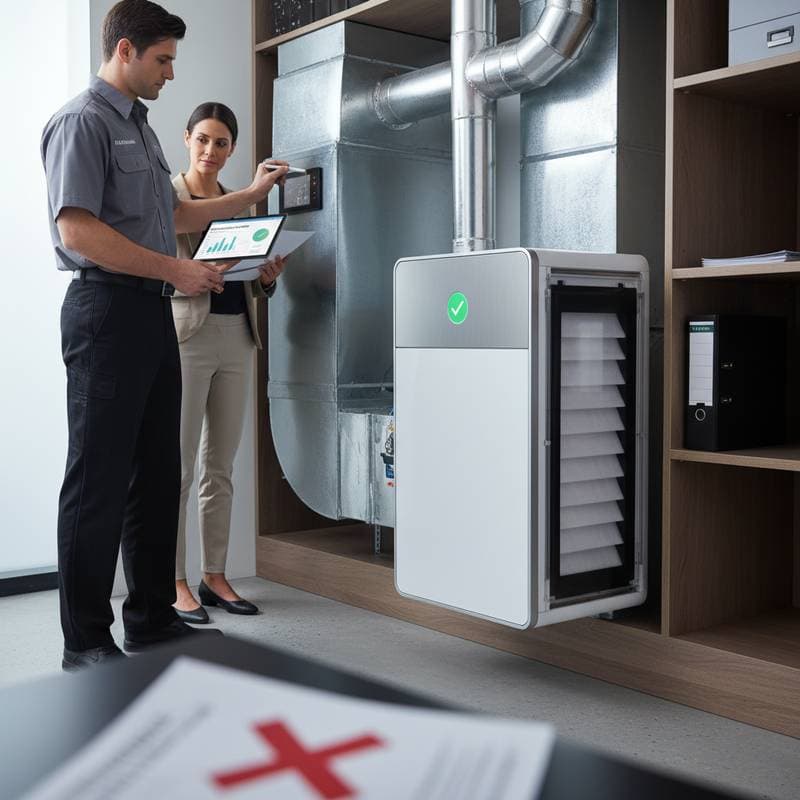
To avoid them, hire certified installers who follow step-by-step protocols: measure duct dimensions precisely, test electrical integrity with multimeters, seal joints using manufacturer-recommended adhesives, install exact filter types, and compile a complete installation log with timestamps and signatures.
Consequences of Subpar Installation on Finances
Inadequate setup accelerates system degradation and triggers escalating costs. Denied claims due to installation flaws force full payment for repairs, frequently exceeding $300 per incident. Accumulated over time, these outlays surpass the unit's purchase price.
Examine this example:
- A $2,500 whole-home system receives installation with unsealed ducts.
- Warranty allows $500 per repair alongside a $50 fee.
- Motor burnout occurs twice yearly from airflow issues.
- Both claims face denial for setup deficiencies.
Owners then cover $900 per fix, plus ongoing filter expenses. Proper sealing during initial placement, verified by pressure tests, averts such outcomes and sustains performance.
Strategies for Maintenance to Preserve Coverage
Superior installation alone insufficiently upholds warranties without routine care. Provisions often tie validity to scheduled filter changes and expert checks. Neglect converts eligible repairs into personal burdens.
Uphold coverage through these measures:
- Swap filters per manufacturer timelines, typically every 3-6 months based on usage.
- Arrange seasonal professional evaluations to detect early wear.
- Maintain files of receipts, service logs, and performance notes.
- Secure warranty paperwork in digital and physical formats for quick access.
- Report anomalies, like unusual noise or reduced output, to providers promptly.
Regular upkeep sustains air purity and reinforces claim approvals, minimizing health risks from pollutants.
Selecting Reliable Professionals for Installation
Dependable setup originates with skilled experts adhering to protocols. Trustworthy firms furnish detailed bids, component inventories, and post-job assessments. They document serial numbers, capture work images, and confirm adherence to codes.
When vetting providers, verify:
- Credentials and coverage: Valid licenses and insurance cover potential liabilities.
- Expertise levels: Certifications from HVAC bodies like NATE affirm skills in air systems.
- Component standards: Exclusive use of endorsed materials aligns with warranty stipulations.
- Client histories: Reviews from recent projects highlight dependability and outcomes.
Prioritizing low bids risks future expenses from rework. Investing modestly more in vetted services reduces callbacks and ensures enduring coverage.
Safeguarding Warranty Through Proactive Management
Sustained air quality protection demands oversight from setup through operation. Each record, check, and component choice builds a defense for claims. Viewing installation as an ongoing fiscal strategy empowers owners during disputes.
Verification anchors success: certified procedures, comprehensive logs, and steady care create irrefutable proof. With these elements intact, systems deliver pure air while shielding against unforeseen financial strains.