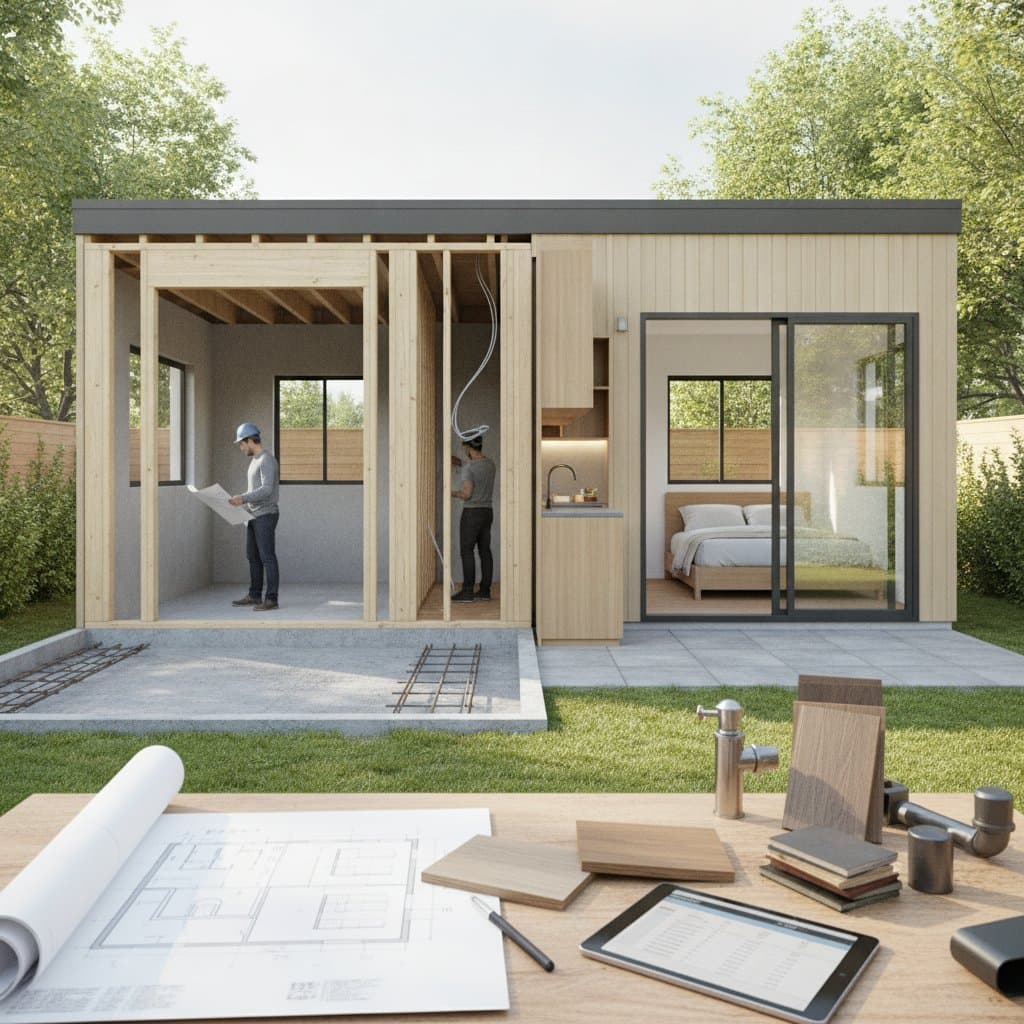
The Real Cost of Wildfire-Proof Home Upgrades
Wildfire-proofing a home requires investments between $6,000 and $60,000. These figures vary according to property size, selected materials, terrain features, and the intensity of local fire risks. The primary objective remains to prevent embers from igniting the structure while establishing defensible space that aids firefighting efforts.
Summary Box
What it is:
A comprehensive array of structural modifications designed to minimize ignition risks from embers, radiant heat, and direct flame contact.
Why it matters:
Wildfire seasons have extended in duration and severity. These reinforcements determine whether a home endures an approaching blaze.
Typical cost and what changes it:
Partial retrofits start at $6,000, while comprehensive exterior overhauls exceed $60,000. Expenses increase with larger roof areas, greater numbers of windows, and steeper terrain slopes.
When to hire a pro:
Engage professionals for all roofing, siding, and vent installations. Limit DIY to vegetation management and minor sealing projects.
How long it takes:
Projects span one to six weeks, influenced by contractor schedules and the scale of the home.
Maintenance interval:
Conduct inspections annually prior to the dry season. Reapply coatings or seals to exposed areas every five to ten years.
Anatomy of a Fire-Resistant Home
A fortified home integrates multiple protective elements that function in unison to repel fire threats.
- Roof: Class A-rated shingles, metal panels, or fire-resistant tiles that resist ignition from sparks and heat.
- Vents: Screens with ember-resistant mesh or internal baffles that prevent spark entry while preserving airflow.
- Siding: Durable options like fiber cement, stucco, or metal panels that demonstrate high resistance to combustion.
- Windows: Dual-pane units with tempered glass capable of enduring intense thermal exposure.
- Decking: Materials that are noncombustible or specifically engineered for ignition resistance.
- Gutters: Metal designs equipped with leaf guards to eliminate debris accumulation and potential ignition points.
- Defensible Space: Zones cleared of vegetation, featuring gravel or stone barriers positioned close to the home.
Should one component falter, the others collaborate to delay ignition. This interconnected system provides layered defense against wildfire encroachment.
Step-by-Step Hardening Process
Follow this sequence to systematically enhance fire resistance, starting from the highest vulnerability points.
-
Inspect and Plan:
Tour the property alongside a certified fire mitigation specialist or qualified contractor. Document all combustible elements and structural vulnerabilities. -
Upgrade Roofing:
Substitute untreated wood or substandard shingles with durable metal roofing or Class A composites. Apply sealants to every joint where the roof meets walls. -
Install Ember-Resistant Vents:
Incorporate vents featuring 1/8-inch stainless steel mesh or baffles. Ensure continued ventilation in attics and crawl spaces without compromising safety. -
Replace or Seal Siding:
Affix fiber cement or stucco panels to exterior walls. Seal all joints with caulk and coat any remaining wood elements using fire-retardant paints. -
Upgrade Windows and Doors:
Select dual-pane tempered glass installations framed in metal. Install weatherstripping around frames to block ember infiltration. -
Modify Deck and Eaves:
Swap traditional wood decking for fire-rated composites. Box in exposed eaves using noncombustible soffit panels or metal flashing. -
Create Defensible Space:
Eliminate all flammable vegetation within a five-foot radius of the home. Substitute organic mulch with inorganic gravel, and trim tree branches to maintain a ten-foot clearance from the structure.
Addressing elements from the roof downward secures the most critical ignition zones first, building cumulative protection with each phase.
DIY vs Pro Matrix
| Factor | DIY | Pro |
|---|---|---|
| Skill level | Basic landscaping and sealing tasks | Advanced work including roofing and siding |
| Safety risk | Minimal, involving ground-level activities | Elevated, due to heights and heavy equipment |
| Tools required | Basic hand tools, trimmers, and sprayers | Specialized power tools, scaffolding, and lifts |
| Permit or code | Generally not required | Frequently mandatory for structural alterations |
| Time required | One to two weekends | One to six weeks |
| Warranty impact | No formal coverage | Includes guarantees on materials and labor |
DIY approaches suit tasks like clearing brush, gutter maintenance, and sealant applications. Structural modifications such as roofing, siding replacements, and window installations demand the expertise of licensed professionals to ensure compliance and durability.
Maintenance and Lifespan
Regular care sustains the effectiveness of wildfire protections over time.
- Roof: Examine annually for shingle wear, debris buildup, or damage. Expect a service life of 30 to 50 years with proper upkeep.
- Siding: Clean surfaces and reseal as needed every five to ten years. Typical durability spans 25 to 40 years.
- Windows: Clear tracks routinely and renew seals every few years. Frames and glass often last 20 years or longer.
- Defensible Space: Perform maintenance biannually, in spring and late summer, to control regrowth and debris.
Vigilant maintenance proves as essential as the original installations. Overlooked details, such as clogged gutters or encroaching shrubs, can compromise even the most robust upgrades.
FAQs
Do insurance companies offer discounts for wildfire retrofits?
Certain providers reduce premiums upon verification of features like Class A roofing and established defensible space. Submit detailed documentation, including contractor invoices and inspection reports, to qualify for these incentives.
What if my home is in a high-risk zone?
Prioritize comprehensive upgrades and consult local fire agencies for tailored recommendations. In extreme areas, full retrofits may qualify for grants or rebates through state programs.
Can I phase the upgrades over time?
Yes, begin with high-impact changes like roofing and defensible space. Budget for subsequent phases to spread costs while progressively enhancing protection.
Prioritizing Your Wildfire Protection Investments
Assess your property's specific risks to allocate resources effectively. Start with a professional inspection to identify urgent needs, then balance immediate actions with long-term planning. These investments not only safeguard your home but also contribute to community-wide resilience against escalating wildfire dangers. Commit to ongoing vigilance, and your efforts will yield lasting security.