Greywater Systems: Installation Costs and Home Value Impact
Greywater systems collect water from sinks, showers, and laundry for reuse in irrigation or toilet flushing. These setups decrease reliance on municipal water sources, reduce utility expenses, and advance sustainable practices. Homeowners weigh environmental advantages against financial commitments, requiring a clear view of expenses, limitations, and value additions.
Understanding Greywater Systems
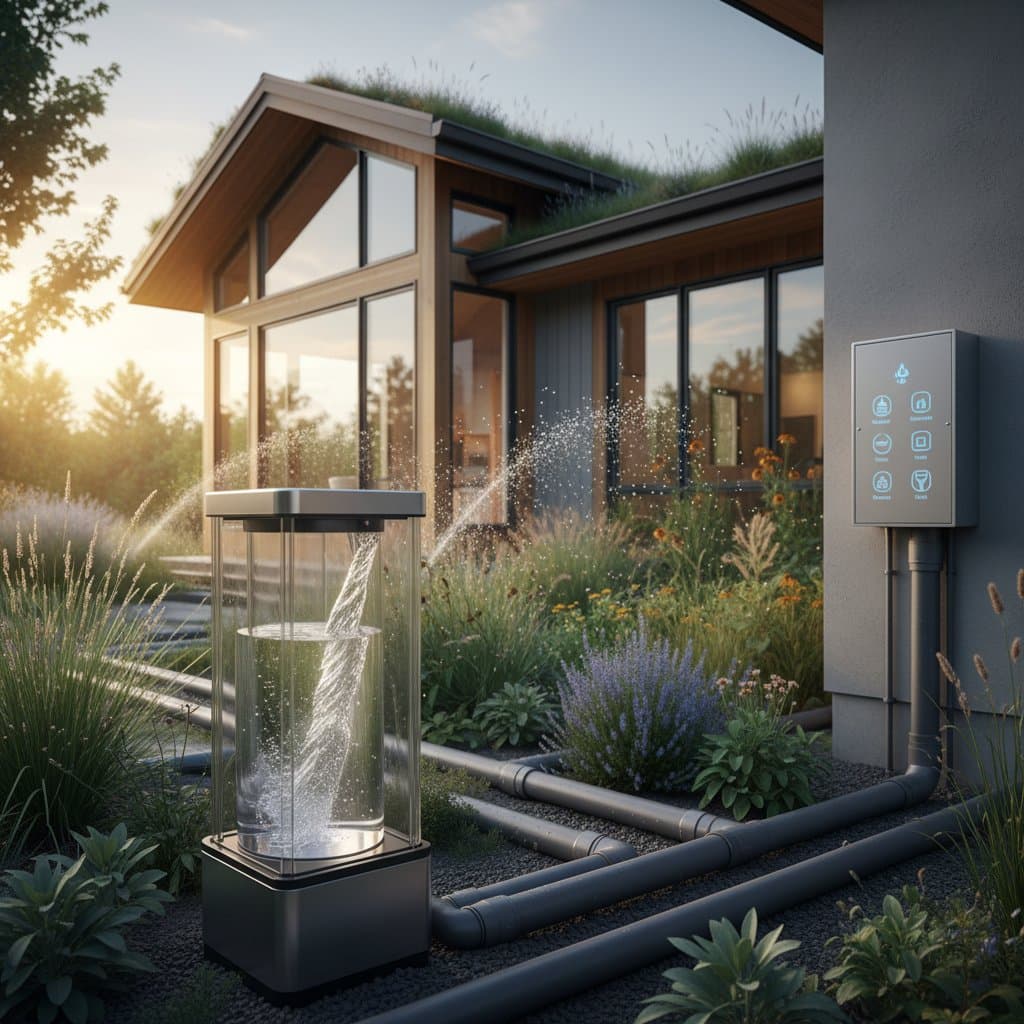
Greywater refers to wastewater free from contact with human waste. Systems filter and redirect this water for non-drinking purposes. Options span basic gravity-based units that route laundry water to gardens and sophisticated models with pumps, sensors, and multi-stage purification.
Complexity affects both initial price and ongoing care. Homeowners verify local codes for greywater use, including permit needs and inspections. Professional oversight often proves necessary for compliance, influencing total costs and future marketability.
Breaking Down Installation Costs
Greywater projects involve multiple expense categories. A detailed breakdown reveals potential surprises and aids budgeting.
- Core setup fees: Basic laundry diversion systems range from $700 to $2,000. Full-home systems with advanced filtration cost $4,000 to $9,000.
- Regulatory costs: Permits and inspections add $200 to $500, with revisions potentially increasing totals.
- Upkeep costs: Replace filters and components yearly, budgeting $100 to $300.
- Power consumption: Pumps incur small electricity bills, often under $50 annually.
- Unexpected repairs: Address clogs or failures at $75 to $150 hourly rates.
Seek rebates or incentives from local utilities to lower outlays. Absent these, calculate returns from water savings alone. Track household usage to project accurate reductions.
Step-by-Step Installation Guide
Effective installations follow defined stages to control costs and ensure reliability.
- Consultation: Meet a certified installer to outline objectives and site specifics.
- Site evaluation: Review plumbing, soil drainage, and yard features for suitability.
- Regulatory review: Submit designs for approval, noting timelines that vary by area.
- On-site work: Modify pipes, install filters, and link to reuse points like sprinklers.
- Verification: Conduct tests for flow efficiency and safety standards.
Post-setup, monitor for issues like blockages or scents. Regular checks prevent breakdowns and extend system life.
Common Limitations and Overlooked Expenses
While promoted as simple, greywater systems demand vigilant maintenance. Certain conditions limit effectiveness and void protections.
- Detergent choices: Avoid high-salt or phosphate products to prevent plant harm or filter jams.
- Weather challenges: Insulate lines in freezing areas or pause outdoor use, adding labor.
- System matches: Upgrade filters for precise irrigation like drip lines.
- Protection gaps: Warranties often skip user errors or non-standard chemicals.
Site factors elevate prices. Slopes demand extra pumps; outdated pipes require upgrades. Assess these early to refine estimates.
Calculating Returns on Investment
Returns combine tangible savings and subtle value boosts. Water use drops yield $15 to $60 monthly, based on family size and setup.
Over time, these accumulate to recoup portions of costs. Eco-features attract buyers seeking efficiency, potentially raising home prices by 1% to 3% in green-savvy markets. Less aware regions see smaller uplifts.
Perform break-even math: divide setup plus upkeep by yearly savings. Expect 5 to 10 years for recovery, adjusted for local rates and habits.
System Tiers and Their Trade-Offs
Greywater options divide into levels, each balancing price, features, and demands.
| Tier | Cost Range | Annual Upkeep | Features | Main Drawbacks |
|---|---|---|---|---|
| Basic | $700–$2,000 | Minimal | Single-source diversion, gravity flow | No automation, basic filtering |
| Intermediate | $2,000–$5,000 | $100 | Multi-source, simple pumps | Lacks sensors, manual adjustments |
| Premium | $5,000–$9,000 | $200–$300 | Full integration, smart controls | Higher repair needs, pro servicing |
Higher tiers save more water but raise oversight. Select based on usage and budget tolerance.
Safeguarding Your Investment
Choose installers with credentials, coverage, and references. Demand itemized bids to spot omissions like controls.
Examine contracts for warranty details, schedules, and liabilities. Clarify leak or failure responsibilities in writing. Multiple bids on matching specs yield best deals.
Broader Benefits and Best Practices
Greywater aids conservation by easing municipal loads and cutting sewage output. Success hinges on routines: clean filters weekly and skip oils or toxins.
Integrate designs seamlessly with landscapes. Collaborate with experts for hidden placements that preserve curb appeal.
Steps to Confident Installation
Approach greywater with thorough research for viable returns. Compare quotes, verify rules, and scrutinize terms.
Suitable systems yield enduring savings and green credentials. Diligent choices transform potential burdens into assets.