Elevating Utilities and Equipment
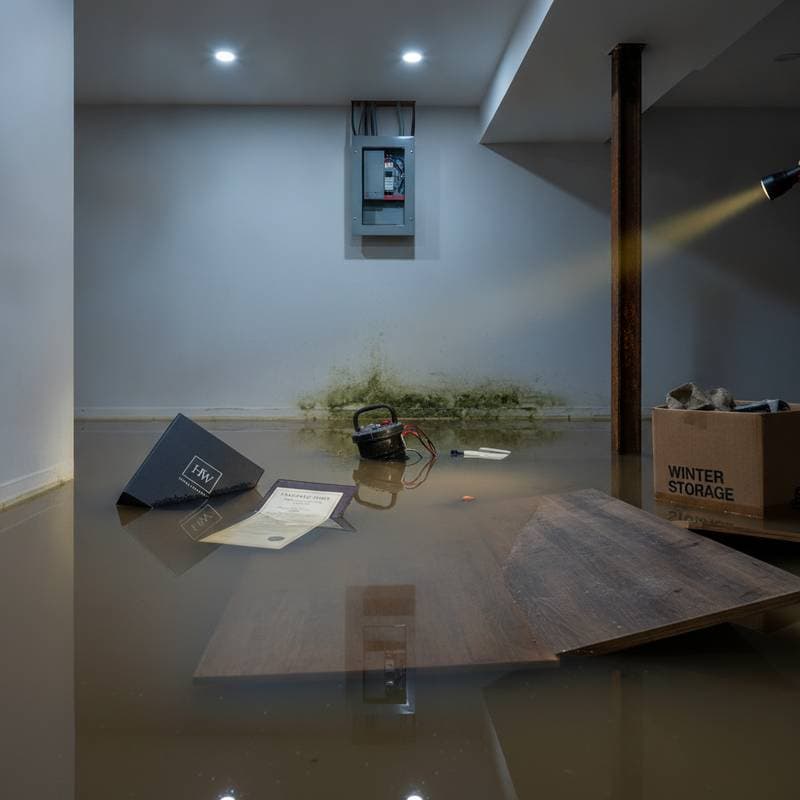
Protect vital systems by raising them above anticipated flood levels. This prevents electrical hazards and equipment failure during inundation.
For basements, construct concrete platforms or relocate items to upper levels. Furnaces, water heaters, and electrical panels require elevation to at least 12 inches above the base flood elevation.
Elevation Guidelines
- Electrical outlets: At least 18 inches above floor level in flood-prone areas.
- HVAC units: Mounted on piers or platforms rated for flood loads.
Costs
- Relocating furnace or water heater: $1,500 to $3,000.
- Electrical panel relocation: $1,000 to $2,500.
Safety Protocols
- Engage licensed electricians for all wiring modifications.
- Label circuits for quick identification during emergencies.
Budgeting with the Three-Factor Framework
Effective planning hinges on understanding cost drivers. Materials grade influences durability; premium options like reinforced membranes endure longer. Labor complexity rises with excavation depth, soil type, and access challenges. Site conditions, such as narrow yards or buried utilities, add to mobilization expenses.
Allocate a 10 to 15 percent contingency fund for surprises like hidden underground obstacles. Total project costs range from $5,000 for basic grading to $20,000 or more for comprehensive systems.
Deciding Between DIY and Professional Services
Assess your capabilities to determine involvement level. DIY suits simple tasks, while complex work demands experts.
| Factor | DIY-Friendly Examples | Professional-Only Examples |
|---|---|---|
| Skill Level | Sealing walls, basic grading | Drain tile installation, backflow valves |
| Safety Risks | Low-voltage wiring | High-voltage electrical relocation |
| Tools Needed | Shovels, levels, caulk guns | Concrete saws, trenching machines |
Handy homeowners can handle sealing and minor grading. Professionals ensure compliance for drainage, pumps, and utility moves.
Pre-Project Readiness Checklist
Prepare thoroughly to avoid delays.
Essential Tools
- Shovel, wheelbarrow, level, sump pump, caulk gun, drill.
Required Skills
- Fundamental plumbing adjustments and foundation repairs.
Safety Equipment
- Gloves, respirator, waterproof boots, eye protection.
Permits and Preparations
- Obtain drainage and plumbing permits.
- Locate and mark utility lines.
- Clear the foundation perimeter and map discharge paths.
Site Considerations
- Schedule during dry weather; ensure soil stability for digging.
Ongoing Maintenance for Longevity
Regular upkeep extends system life and effectiveness.
Post-Installation Checks
- Test sump pump float switches and discharge lines.
- Verify backflow valves operate without obstruction.
Seasonal Inspections
- Remove debris from drains, gutters, and downspouts.
- Inspect grading for shifts due to freeze-thaw cycles.
Annual Maintenance
- Seal minor cracks in foundation coatings.
- Replace sump pump battery backups every three to five years.
Drainage tiles endure 30 years with clear channels. Pumps last five to ten years, while vents and barriers remain functional indefinitely with cleaning.
Avoiding Pitfalls That Compromise Protection
Certain oversights undermine flood defenses.
- Neglecting discharge line maintenance, leading to backups.
- Relying solely on interior sealants without external drainage.
- Poor grading that allows water pooling from landscaping.
- Omitting power backups for pumps during outages.
- Disregarding minor leaks that cause structural decay.
Address issues promptly to maintain integrity.
Selecting Contractors and Evaluating Bids
Choose reliable professionals for quality results. Seek licensed firms with flood-proofing experience and check references. Request detailed bids outlining materials, labor, and timelines.
Compare at least three quotes, focusing on warranties and compliance assurances. Verify insurance coverage to protect against on-site incidents.
Achieving Lasting Home Resilience
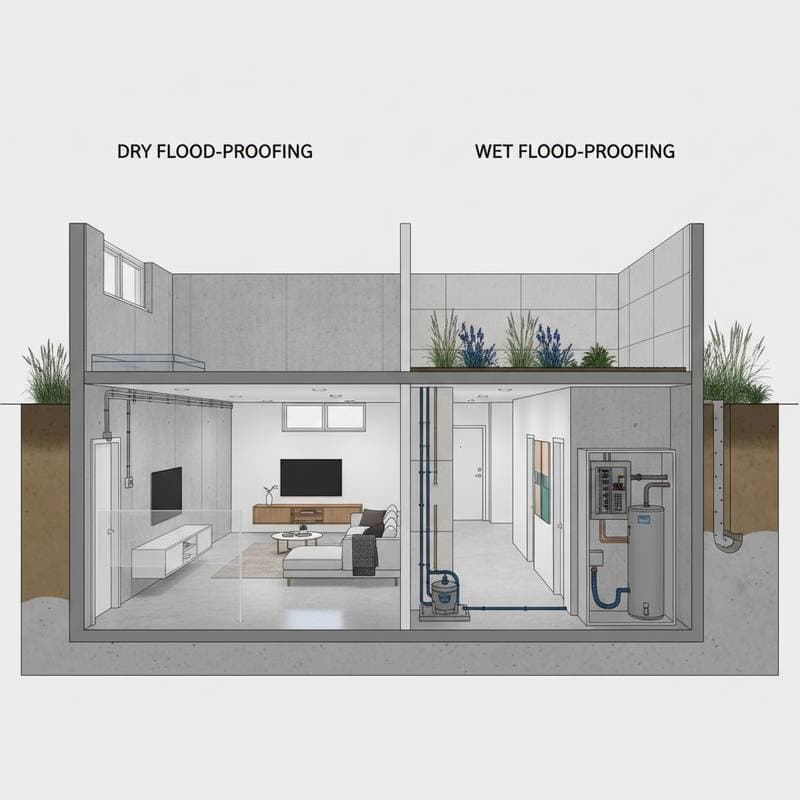
Implementing dry or wet flood-proofing safeguards your investment and provides peace of mind. Start with a flood risk assessment, then prioritize high-impact measures like grading and utility elevation. Consistent maintenance ensures your home remains secure against future floods, potentially saving thousands in repairs and enhancing property value.