Understanding Home Elevation: Why It Matters in 2026
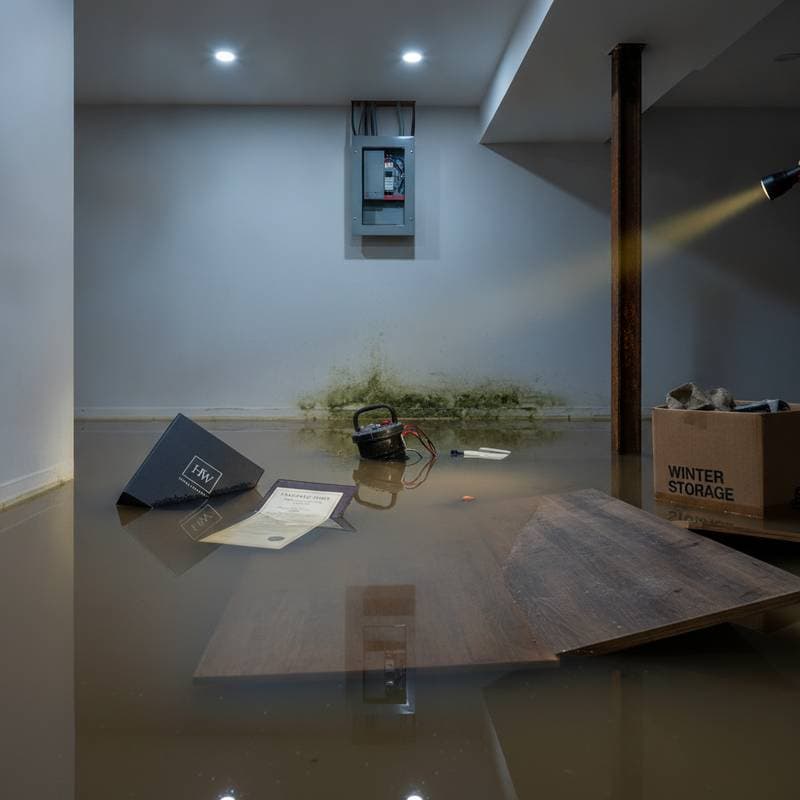
Flood risks continue to rise due to climate patterns and urban development. Raising a home above the base flood elevation provides a reliable barrier against water intrusion. Homeowners who complete this upgrade often see insurance savings of up to 50 percent, alongside enhanced structural integrity that extends the property's usable life by decades.
The process involves lifting the entire structure and installing a new foundation at a higher level. Local building codes mandate specific heights, typically including a freeboard of one to two feet above the predicted flood level. Planning ahead ensures compliance and minimizes disruptions to daily life.
The Step-by-Step Home Elevation Process
Professional crews follow a precise sequence to elevate a home safely. Each phase requires coordination among engineers, contractors, and inspectors. The timeline generally spans four to ten weeks, depending on site conditions and permitting speed.
-
Engineering and Permitting: Structural engineers assess the home's framework, while geotechnical experts evaluate soil stability and foundation integrity. Detailed blueprints and calculations submit to local authorities for permit approval, which verifies compliance with flood zone regulations.
-
Utility Disconnection: All essential services disconnect to prevent hazards during the lift. Workers cap gas and sewer lines, isolate electrical systems, and relocate HVAC components or propane tanks to safe positions away from the work area.
-
Site Preparation: Teams create access points by cutting precise openings in the foundation for lifting beams. Attached elements such as porches, decks, or patios remove to isolate the main structure and facilitate smooth elevation.
-
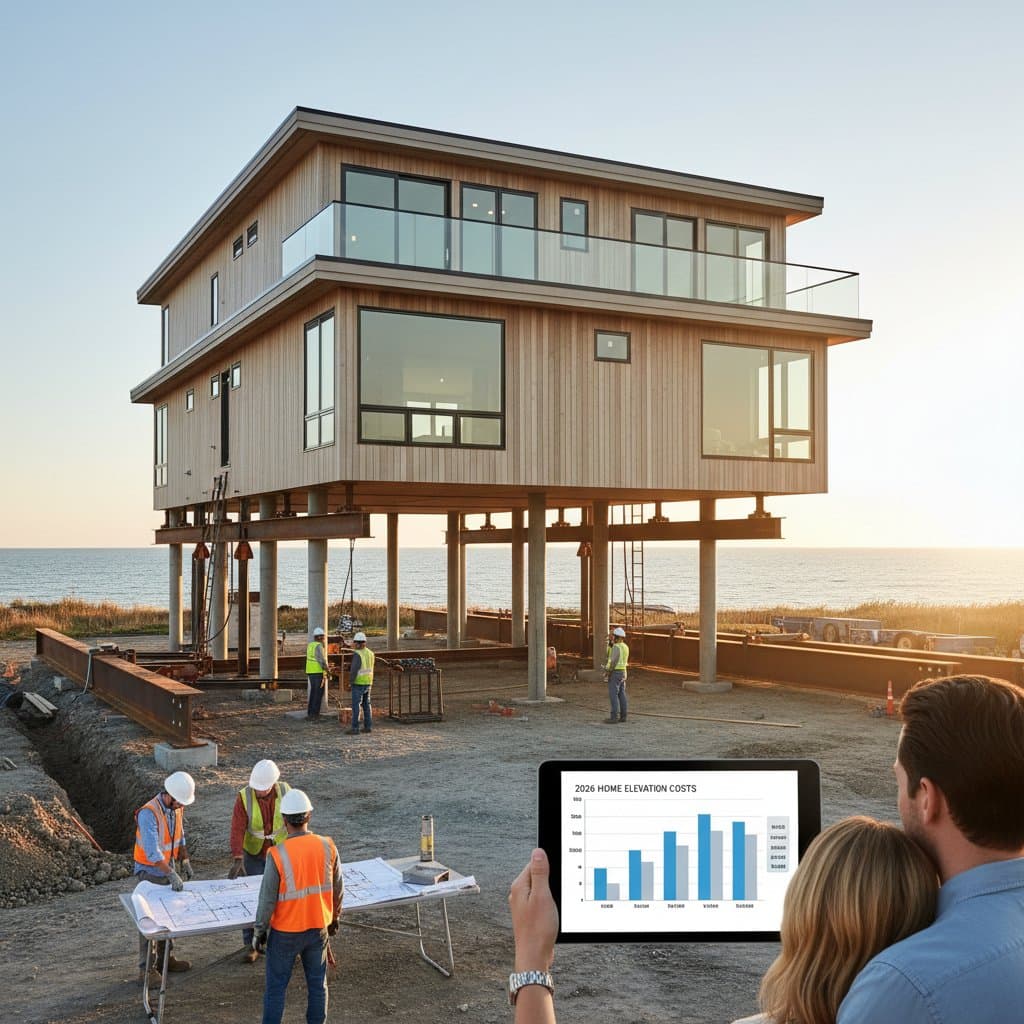
The Lifting Phase: Hydraulic jacks position under the home and lift it incrementally, often in lifts of six to twelve inches at a time. Temporary cribbing made of stacked wooden or steel blocks supports the structure at each stage, ensuring stability throughout the operation.
-
New Foundation Construction: Once elevated, crews pour footings and erect concrete walls, masonry piers, or pilings to the required height. Reinforcement with rebar and proper curing times guarantee a solid base capable of withstanding future floods and soil shifts.
-
Lowering and Securing the Structure: The home lowers onto the new foundation using controlled jack adjustments. Anchor bolts and brackets secure it firmly, followed by removal of all temporary lifting equipment.
-
Utility Reconnection and Finishing Touches: Services reconnect with upgraded, flexible lines designed for seismic or settling movements. Workers install access stairs, protective skirting around the elevated base, and adjust site grading to direct water away from the foundation.
-
Final Inspection and Certification: Building officials conduct thorough checks to confirm the elevation meets code standards and that all systems function correctly. Certification allows reoccupation, often with documentation for insurance adjustments.
Essential Safety, Permitting, and Code Considerations
Every elevation project demands building permits, floodplain development approvals, and multiple inspections. Codes specify minimum freeboard heights to account for wave action and debris during floods. Electrical outlets in vulnerable areas require ground-fault circuit interrupter protection, and plumbing lines incorporate flexible joints to accommodate any post-lift settling.
Homeowners must vacate the property during the lifting phase, as the structure rests on unstable temporary supports prone to vibrations. Select contractors who provide specialized structural moving insurance beyond standard liability coverage. Reputable firms offer warranties covering the elevation mechanism and new foundation for a minimum of five years, with options for extended protection.
Common Pitfalls and How to Avoid Them
Overlooking key details can lead to costly repairs or safety issues. Conduct thorough soil tests early to identify weak bearing capacity that might cause foundation cracks. Account for site access challenges, such as narrow lots, which may necessitate manual excavation or specialized smaller-scale equipment, increasing expenses by 20 to 30 percent.
Exposed utilities often reveal outdated piping that requires full replacement to meet current codes. Protect surrounding landscapes by laying down plywood paths for heavy machinery and erecting barriers around sensitive areas like lawns and driveways. Even after elevation, integrate effective drainage solutions, including extended downspouts and sloped grading, to prevent surface water accumulation.
Long-Term Maintenance for Durability
A well-executed elevation endures for the home's lifetime with routine care. Immediately after completion, inspect pier connections, anchor bolts, and overall settling for any initial shifts. Perform seasonal checks to clear ventilation openings, monitor erosion at foundation piers, and test any installed sump pumps for functionality.
Conduct annual reviews to ensure stairs and attached decks remain level, with all bolts and fasteners tightened securely. Over decades, replace or apply protective coatings to steel components to combat corrosion from moisture exposure. This proactive approach maintains structural performance and avoids premature deterioration.
Deciding Between Professional Help and Limited DIY Tasks
House lifting demands professional expertise due to the high risks involved, including potential collapse if mishandled. Homeowners can manage only peripheral tasks, such as minor grading adjustments or rebuilding small steps post-elevation. Consider this decision framework to guide choices:
| Criteria | Suitable for DIY | Requires Professional Expertise |
|---|---|---|
| Required Skills | Basic carpentry or site grading | Hydraulic lifting, concrete pouring |
| Safety Level | Minimal risk of injury | Elevated danger of structural failure |
| Equipment Needs | Standard hand tools | Heavy machinery and engineered supports |
Engage licensed contractors with proven track records, including client references and full insurance. The stakes justify investment in qualified teams to prevent irreversible damage.
Selecting Contractors and Evaluating Bids
Solicit at least three comprehensive bids to compare options effectively. Each proposal details the project scope, materials, target elevation height, and foundation specifications. Use a comparison table like the one below to highlight differences:
| Line Item | Description/Scope | Contractor A | Contractor B | Contractor C | Key Variations |
|---|---|---|---|---|---|
| Lifting Height | 6 feet above grade | $48,000 | $52,000 | $47,000 | Site access and equipment size |
| Foundation Type | Reinforced concrete walls | $60,000 | $55,000 | $58,000 | Rebar configuration and mix |
| Utility Handling | Complete disconnect/reconnect | $9,000 | $10,500 | $8,700 | Complexity of gas and sewer |
| Access Features | Composite stairs and deck | $14,000 | $13,000 | $15,000 | Material quality and design |
Verify inclusions such as engineered plans, temporary stabilization, and final inspection costs. Insist on lien waivers to protect against subcontractor claims and clear protocols for any change orders during construction.
Pre-Project Readiness Checklist
Preparation streamlines the process and reduces surprises. Gather essential tools like a measuring tape, camera, notebook, and marking paint to document progress. Acquire foundational knowledge in grading, drainage, and basic foundation principles to oversee work effectively.
Wear appropriate safety gear, including hard hats, gloves, and steel-toed boots, during site visits. Secure all necessary permits: building, floodplain development, and utility disconnections. Complete prep steps by removing valuables, clearing basements, and stabilizing loose items.
Schedule around optimal conditions, avoiding rainy seasons that hinder excavation or frozen soil that resists digging. These measures position the project for success from the outset.
Anticipated Timeline and Sequencing
Projects typically require four to ten weeks from start to finish. Allocate two to four weeks for engineering assessments and permit processing. The core lifting and foundation work occupies two to three weeks, factoring in concrete curing periods of at least seven days.
Utility reconnections and site finishing take one to three weeks, with buffers for inspections. Weather interruptions or supply delays can extend timelines, so build in flexibility. Proper sequencing prevents bottlenecks and ensures quality at each stage.
Addressing Potential Challenges
Post-elevation cracks warrant immediate attention: photograph hairline fissures in walls, which often resolve as the structure settles, but consult professionals for wider gaps indicating support issues. Persistent water around piers signals grading errors; recontour the soil slope and enhance gutter systems for better runoff.
If stairs or decks misalign, inspect anchor bolts and weatherproofing seals for looseness. Prompt resolution maintains the elevation's effectiveness and prevents secondary damage from water or instability.
Securing Your Home's Future Through Elevation
Investing in home elevation delivers peace of mind and tangible benefits, from flood resilience to financial advantages. By following these guidelines, homeowners achieve a fortified property that withstands environmental threats. Start with a professional consultation to tailor the approach to your site's unique needs and embark on a path to lasting protection.