Greywater Costs and Rebates: Achieving Savings in 2026
Quick Overview
Greywater systems capture and repurpose lightly contaminated water from sources such as bathroom sinks, showers, and washing machines. These systems divert the water for uses like irrigation, bypassing traditional sewer disposal.
- In arid or high-cost water areas, they lower bills by 25 to 40 percent.
- Basic installations start at $700, while advanced whole-home setups reach $8,000.
- Local water authorities often provide rebates that offset 20 to 50 percent of expenses.
Understanding Greywater Systems
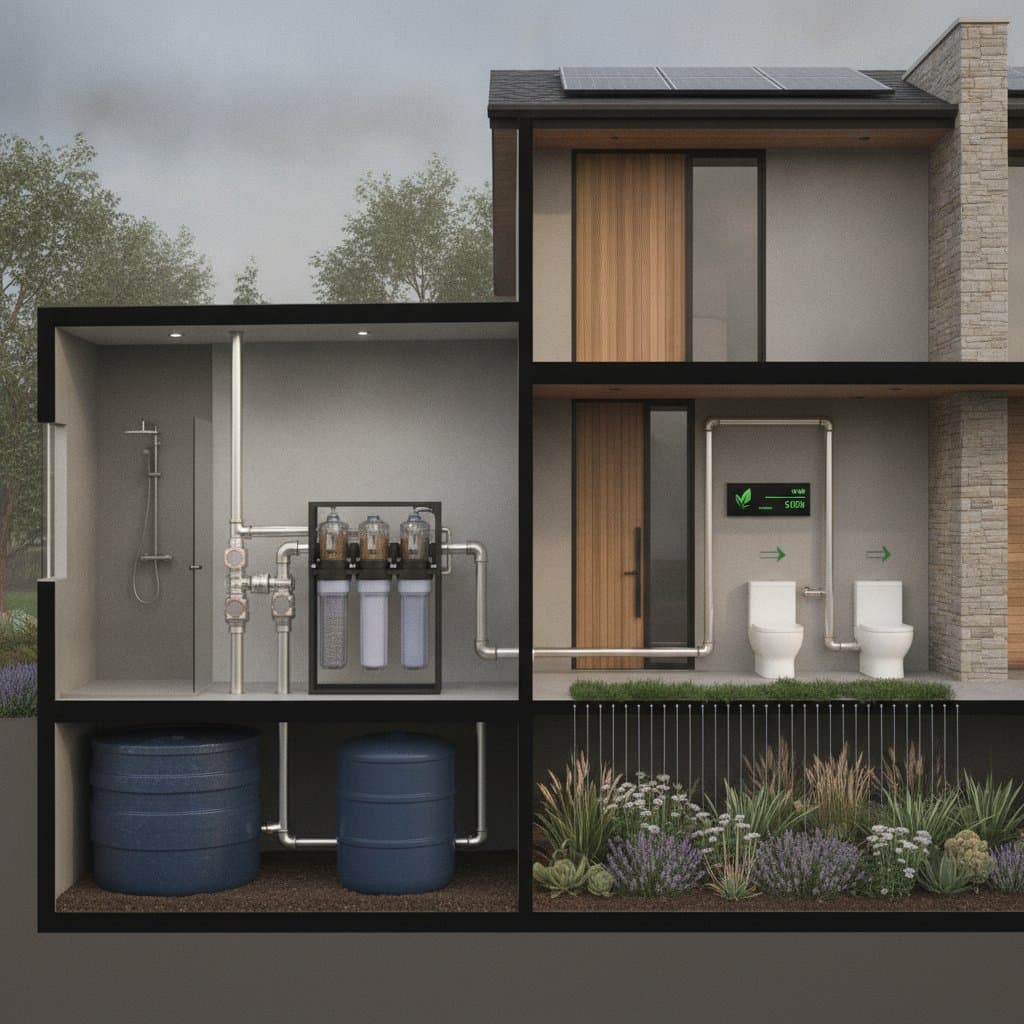
Greywater refers to wastewater generated from household activities excluding toilets and kitchen sinks, which produce more heavily contaminated blackwater. This resource includes water from bathing, handwashing, and clothes laundering. Proper filtration and treatment enable greywater to support landscape irrigation or even toilet flushing without environmental harm.
The core process involves collection through dedicated plumbing, basic filtration to remove debris, and redirection to suitable applications. Homeowners benefit from reduced freshwater demand, particularly in regions facing water scarcity. Systems vary in complexity, from simple gravity-fed designs to those incorporating pumps and advanced purification.
Benefits and Drawbacks
Advantages
Greywater systems significantly decrease outdoor water consumption for gardens, lawns, and ornamental plants. They alleviate pressure on municipal sewers or onsite septic systems by minimizing wastewater volume. During periods of drought or usage restrictions, these setups preserve freshwater reserves for essential needs. Additionally, many installations qualify for financial incentives, including tax credits and utility rebates that accelerate payback periods.
Disadvantages
Retrofitting existing homes may involve challenging access to embedded plumbing lines, increasing labor demands. Regular upkeep prevents issues like bacterial growth, odors, or blockages in distribution lines. Regulatory compliance often requires permits, especially for systems handling larger volumes or indoor applications. Initial investments remain substantial, though rebates mitigate this barrier over time.
Ideal Applications and Potential Limitations
Suitable Scenarios
Implement greywater systems in homes with expansive gardens or irrigated landscapes requiring consistent moisture. They prove most effective in locales with elevated water rates or enforced conservation measures. Accessibility to drain lines from laundry rooms or bathrooms facilitates straightforward integration without major renovations.
Circumstances Where They Underperform
Challenges arise when plumbing routes through concrete slabs or multilayered walls, complicating modifications. Sites with heavy clay soils or inadequate natural drainage risk waterlogging and system inefficiency. Households relying on antimicrobial cleaners or high-phosphate detergents may inadvertently damage plants or necessitate frequent diversions to sewer lines.
Step-by-Step Guide: Setting Up a Laundry-to-Landscape System
This approach focuses on redirecting washing machine effluent directly to yard irrigation, leveraging gravity for simplicity. Suitable for single-family homes with adjacent outdoor space.
Required Tools and Materials
Gather PVC pipes and fittings in appropriate diameters, a three-way diverter valve, stainless steel hose clamps, fine mesh filters, a sturdy shovel, power drill with bits, and PVC cement for secure joints.
Estimated Time and Skill Level
Completion typically requires 4 to 6 hours. Moderate DIY skills suffice, assuming familiarity with basic plumbing and outdoor digging.
- Prepare and Plan the Layout. Select a washing machine positioned near an exterior wall to minimize piping length. Review local building codes to confirm permissibility for untreated greywater discharge to landscapes.
- Disconnect Utilities Safely. Turn off electrical power to the laundry area and shut the water supply valve. Don protective gloves and safety glasses throughout the process.
- Integrate the Diverter Valve. Carefully cut the existing drain hose midway and insert the valve assembly, enabling manual switching between sewer discharge and greywater routing.
- Extend Piping to the Exterior. Route PVC lines through a drilled wall penetration, maintaining a consistent downward slope of at least one percent to promote self-draining.
- Incorporate Filtration. Position a mesh screen or cartridge filter inline to trap lint, hair, and particulates, ensuring cleaner distribution to soil.
- Establish Distribution Network. Connect to subsurface drip tubing or create mulched basins around target plants. Direct flow away from edible foliage to avoid contamination risks.
- Conduct Testing. Initiate a machine rinse cycle with plain water and monitor for leaks, backups, or surface pooling in the yard.
- Finalize and Document. Secure all connections, label pipes clearly as containing non-potable water, and record the installation for future reference or rebate applications.
Annual joint inspections and filter cleaning every three months sustain performance and prevent degradation.
Investment Breakdown
Standard Pricing Range
Expect costs between $700 and $8,000, influenced by system scale and features.
Factors for Lower Expenses
Opt for laundry-specific configurations with minimal pipe runs to external areas. DIY efforts using adaptable flexible hoses further reduce outlays. Enrollment in rebate initiatives from water districts can reimburse up to 50 percent, effectively halving net costs.
Elements Driving Higher Costs
Comprehensive whole-home solutions incorporating storage tanks and biological treatment elevate prices. Extensive excavation for buried lines or modifications to concrete foundations add significantly. Compliance features like backflow preventers and permitting fees contribute additional overhead.
Repair Versus Replacement Decisions
When pumps fail or tanks degrade after extended service, full replacement often proves more cost-effective than piecemeal fixes. Persistent filter blockages signal underlying design issues, where upgrading to modern standards restores reliability and aligns with evolving regulations.
DIY Installation Versus Professional Services
Projects Amenable to DIY
Gravity-based laundry-to-landscape conversions qualify for self-installation, provided lines remain surface-level or shallow. Simple above-ground irrigation connections pose low risk for capable homeowners.
Situations Requiring Experts
Engage professionals for concealed plumbing in multi-level structures or when permits mandate certified oversight. Systems interfacing with indoor plumbing or requiring pressurized components demand specialized knowledge.
Professional Advantages
Licensed plumbers ensure precise routing, integrate necessary venting for air flow, and adhere to health and safety codes. They manage permitting processes, conduct required inspections, and provide warranties that protect long-term investments.
Upkeep and Preventive Measures
Routine maintenance preserves system integrity and functionality.
Recommended Schedule
Examine filters monthly and flush pipes annually to clear residues.
Key Maintenance Activities
Hose off or replace filtration media as needed to maintain flow rates. Clear drip emitters of debris to prevent uneven watering. Divert to sewer during cycles with harsh chemicals to safeguard soil biology.
Expected Results
Consistent care yields reliable operation, eliminates unpleasant odors, and extends equipment lifespan beyond a decade.
Complementary Water-Saving Options
Rainwater Harvesting Systems
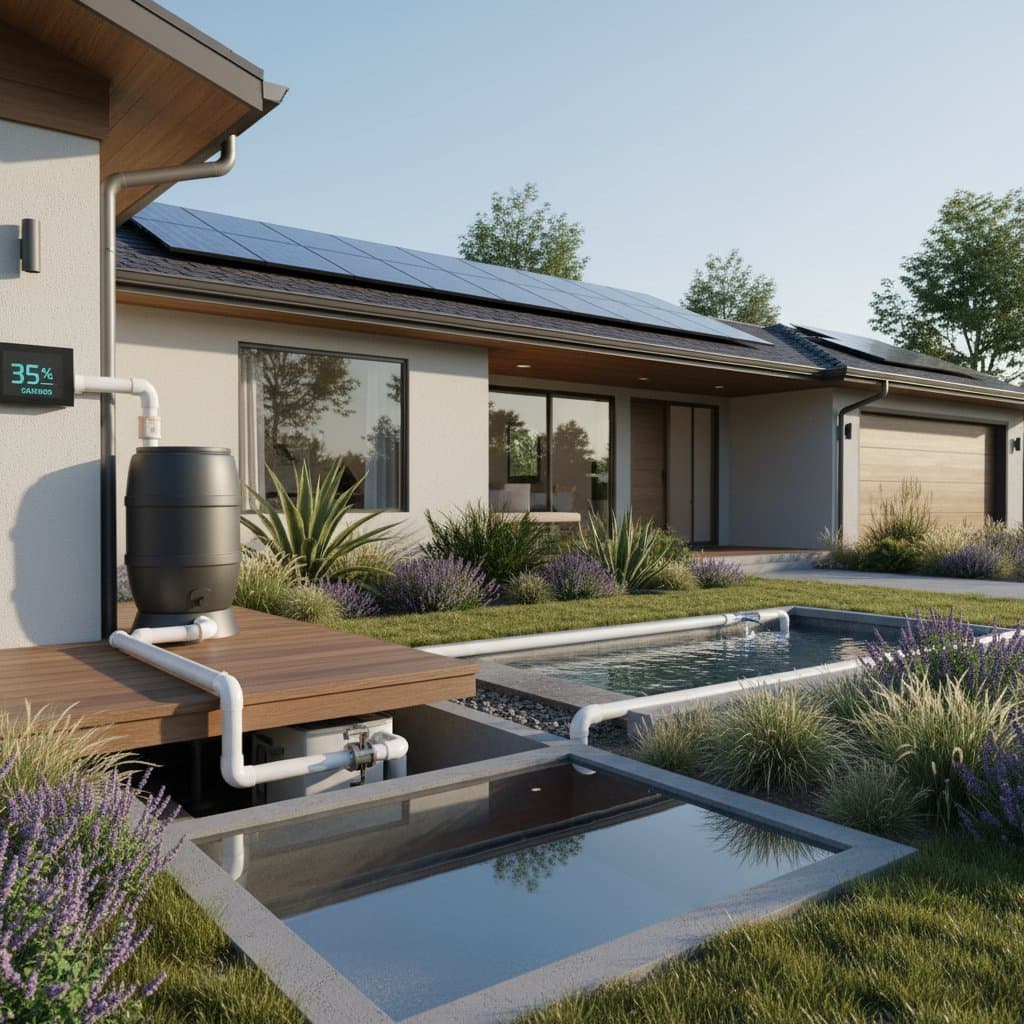
These capture rooftop runoff into storage barrels or cisterns, often paired with pumps for broader distribution. Ideal for supplementing lawn irrigation in rainy climates.
Automated Drip Irrigation
Timers and sensors optimize municipal water delivery to plants, minimizing waste through precise application. Installation proves straightforward with existing hoses.
Water-Efficient Fixtures
Low-flow showerheads, faucets, and toilets curtail consumption at the point of use. These integrate seamlessly with greywater setups for compounded efficiency gains.
Frequently Asked Questions
Can greywater support vegetable gardens? Restrict application to subsurface irrigation for fruit-bearing trees or ornamental beds. Avoid direct contact with harvestable produce to mitigate health concerns.
What permitting is necessary? Indoor storage or reuse typically demands approval, while simple outdoor diversion may qualify for exemptions. Consult your regional water authority for specific guidelines.
How to avoid odors? Ensure rapid drainage and routine filter maintenance; stagnant conditions or residue accumulation invite smells.
What savings are realistic? Average households conserve 200 to 600 gallons weekly, translating to noticeable bill reductions based on local rates and landscape demands.
Implementing Greywater for Lasting Efficiency
Begin with an affordable laundry-to-landscape kit to test feasibility in your setup. Monitor utility statements over the initial month to quantify impacts. Upon success, scale to broader applications and pursue rebates via municipal programs. Maintain detailed records of installations and upkeep to maximize incentive eligibility. Through diligent design and care, these systems deliver enduring financial relief, nurture thriving landscapes, and promote responsible water stewardship.