Installation Steps
Complete the installation process methodically to ensure reliability and compliance with new EPA standards. Follow these steps for a secure setup.
-
Select the installation location: Choose a spot with easy access, such as near the main water entry point, avoiding extreme temperatures or high humidity.
-
Prepare the workspace: Clear the area and gather all tools. Shut off the main water supply to prevent leaks during work.
-
Mount the housing: Secure the filter housing to a sturdy surface using the provided bracket and screws. Ensure it aligns with incoming water flow.
-
Connect the plumbing: Attach inlet and outlet fittings with wrenches, applying Teflon tape to threads for a watertight seal. Install shut-off valves if absent.
-
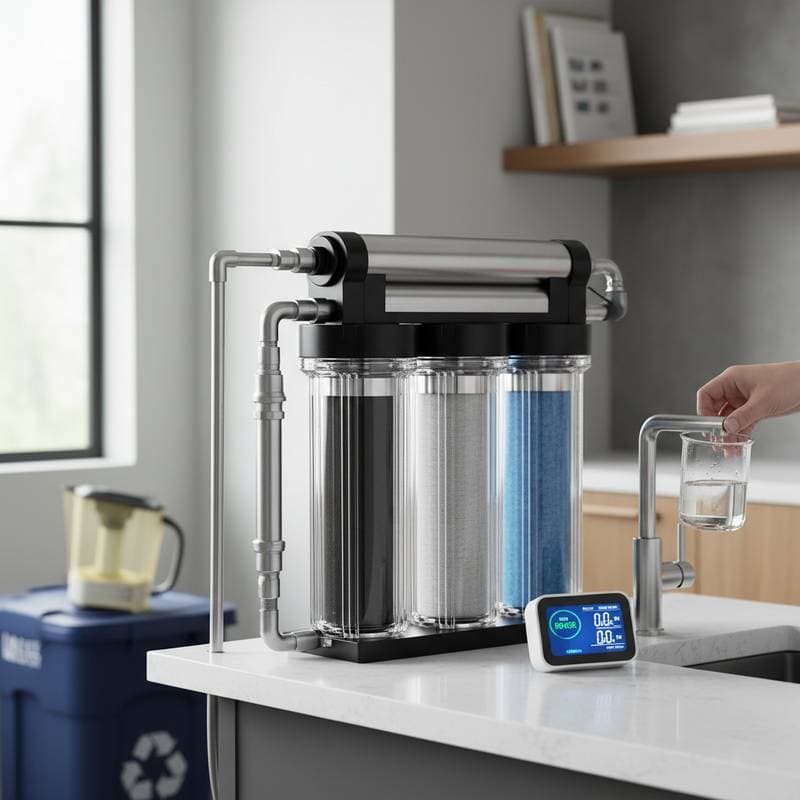
Install the initial cartridge: Insert the appropriate filter cartridge, such as sediment for prefiltration, and tighten the housing cap evenly.
-
Record maintenance intervals: Note the filter lifespan on a visible tag or set a digital reminder to track replacement schedules.
Most installations require less than half a day, although complex systems might demand a full day or professional assistance.
DIY Versus Professional Installation
Basic systems suit do-it-yourself efforts, while advanced setups benefit from expert involvement.
Suitable for DIY: Sediment filters or single-stage carbon units. These projects typically take two to four hours using standard plumbing tools.
Recommended for professionals: Whole-house systems, reverse osmosis units, or installations involving pipe cutting and electrical connections.
Engage a licensed plumber when:
- Copper or galvanized pipes require soldering or alterations.
- The home relies on well water or includes pressure tanks.
- Additional features like UV sterilization or backwash mechanisms are planned.
Before proceeding, shut off the water supply, wear eye protection, and test all fittings prior to restoring pressure.
Essential Materials and Tools
Assemble these items to facilitate a smooth installation:
- Filter housing and initial cartridges
- Mounting bracket and appropriate screws
- Adjustable wrenches
- Pipe cutter or tubing saw
- Teflon tape or pipe sealant
- Pressure gauge, optional yet useful for ongoing checks
- Bucket and towels to manage drainage
- Shut-off valves, if not pre-existing
Maintenance Practices and System Longevity
Filter durability depends on the type and local water conditions. Carbon cartridges generally endure three to six months, sediment filters up to a year or longer, and reverse osmosis membranes two to three years with adequate prefiltration.
Key maintenance practices:
- Replace filters according to the schedule to avoid bacterial accumulation.
- Flush the system thoroughly after each cartridge replacement.
- Clean housings using mild soap and warm water; avoid bleach to prevent material damage.
- Monitor for pressure reductions, which indicate clogs or flow restrictions.
With consistent care, most systems operate effectively for ten to fifteen years. Periodic replacement of seals or fittings further prolongs functionality.
Regional and Environmental Factors
Water composition differs across locations, influencing filter selection. Agricultural regions often contend with elevated nitrate concentrations. Coastal properties may encounter salt intrusion in well water. Areas with aging infrastructure face higher lead exposure from service lines.
In colder climates, position filters within heated spaces to avert freezing. For units in basements or crawl spaces, insulate pipes and housings to sustain flow and avoid structural damage.
Frequently Asked Questions
How can I identify contaminants in my water? Request a certified water test kit for precise analysis. Municipal reports offer broad insights, but testing a home sample provides tap-specific results.
Do all filters eliminate PFAS? Not all do. Select reverse osmosis systems or specialized carbon filters with verified PFAS reduction claims, confirmed by certification labels.
Is a single filter sufficient for the whole home? A whole-house unit processes all incoming water. Many households supplement with under-sink filters for targeted treatment of drinking and cooking water.
What is the replacement frequency for filters? Adhere to manufacturer recommendations. Carbon filters typically require changes every three to six months, while sediment filters last longer based on debris levels.
Does home filtration outperform bottled water? Quality filtration minimizes waste, reduces long-term costs, and allows direct control over upkeep and efficacy. Bottled options prove more expensive and contribute to plastic pollution.
Steps to Secure Compliant Water Filtration
Addressing new EPA standards demands proactive upgrades to your filtration setup. Begin by testing your water to pinpoint contaminants, then select a system aligned with your needs and plumbing infrastructure.
Opt for certified filters that accommodate your maintenance preferences. This approach not only safeguards health and appliances but also enhances property appeal. Professional or personal installation ensures reliable performance with every faucet use.