Home Generator Pricing Guide: Understanding Costs and Value
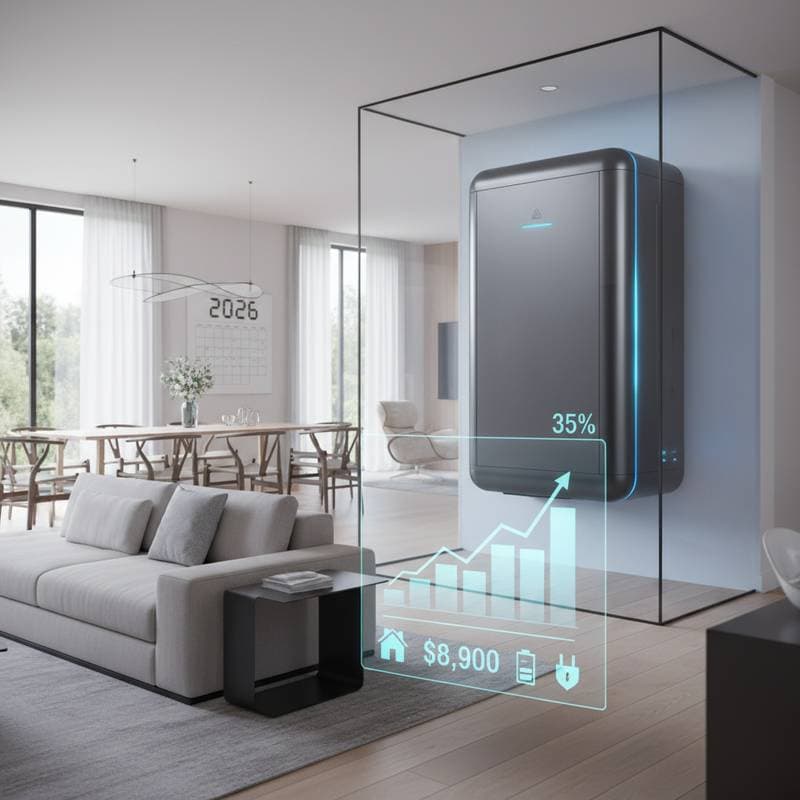
Home standby generators enhance power reliability for homeowners facing grid disruptions. The cost of professional installation ranges from $5,500 to $15,000, with the average complete system priced at $8,900. Portable options begin at approximately $700, whereas large whole-house units surpass $20,000 based on capacity and fuel type.
Three key factors shape the total expense: generator capacity, fuel source, and installation complexity. Demand for generators has risen with increased grid instability and severe weather events, resulting in a national price increase of nearly 35 percent, as reported by various contractor platforms. A correctly sized and professionally installed generator sustains full electrical operations during outages, protecting food supplies, heating and cooling systems, and security features. Regional real estate assessments indicate that such investments raise property values by 10 to 15 percent.
Beyond mere convenience, a generator serves as a vital defense against energy disruptions that lead to financial losses or inconvenience.
Cost Breakdown by Type and Capacity
Home generator installations operate on a per-unit pricing structure tied to capacity measured in kilowatts (kW).
- Portable generators: $700 to $2,500
- Standby generators (10 to 20 kW): $5,500 to $10,000
- Whole-house generators (22 to 48 kW): $10,000 to $20,000
The national average stands at $8,900, encompassing equipment and labor. Professional installation incurs minimum service fees starting at $500, which cover site preparation and essential electrical connections.
At the 25th percentile, expenses reach about $6,200 for compact standby systems. The median aligns with $8,900, and the 75th percentile extends to $12,500 for expansive, integrated setups featuring automatic transfer switches.
Capacity and Home Size Considerations
Generator capacity directly affects pricing. Each additional 5 kW contributes $900 to $1,200 in equipment and labor costs. For instance, a 13 kW Generac Guardian system powers a typical home for around $7,800 installed, while a 24 kW Kohler RESA unit approaches $13,500.
A general guideline suggests 1 kW per 500 square feet of living space, although homes with high-power appliances require adjustments. Data from industry sources like HomeAdvisor and Angi reveal that systems exceeding 30 kW incur a 40 percent premium owing to demands for reinforced wiring, larger fuel reservoirs, and intricate setup processes.
Material and Performance Levels
- Entry-level generators feature aluminum casings and air-cooled engines, priced from $700 to $3,000. These units endure 1,000 to 2,000 operating hours and suit basic backup requirements.
- Mid-range options, such as the Generac Guardian or Champion 14 kW models, include extended warranties, reduced noise levels, and digital oversight, costing $6,000 to $9,000 installed.
- Premium configurations from Kohler or Cummins QuietConnect surpass $12,000, incorporating rust-resistant housings, liquid-cooled engines, and five-year warranties. These deliver up to 20 percent greater longevity compared to basic units.
Installation Variables and Regional Factors
Setup complexity adds $1,000 to $3,500 to the total. Distances between the electrical panel and fuel line, or the need for trenching, elevate labor expenses. Urban locations impose 15 to 25 percent premiums on installations, whereas rural sites often involve higher transportation and permitting costs.
Pre-existing conditions play a role as well. Residences with obsolete electrical panels or inadequate ventilation demand preliminary upgrades. Compliance with building codes and local inspections generates fees between $200 and $600.
Installation Packages and Options
Standard Installation Components
A basic generator setup encompasses the following elements:
- Site evaluation and concrete pad construction
- Electrical connections to the transfer switch
- Fuel line integration
- System testing and user instruction
This approach requires one to two days and costs $5,500 to $8,000, ideal for homes under 2,000 square feet with standard energy demands.
Advanced Installation Features
Enhanced packages incorporate:
- Integration of automatic transfer switches
- Configuration for remote monitoring
- Noise-reduction enclosures
- Extended warranty options
- Additional fuel storage tanks
Such projects average $9,000 to $15,000, representing a 30 percent increase over basic versions, yet they ensure superior durability and minimized upkeep. These systems often recoup investments within five to seven years via enhanced security and outage mitigation.
Optional Enhancements
| Enhancement | Cost Range | Primary Benefit |
|---|---|---|
| Annual maintenance contract | $250 to $600 | Prolongs durability and upholds warranty terms |
| Remote monitoring device | $150 to $300 | Provides mobile device notifications |
| Expanded fuel tank | $400 to $1,200 | Increases operational duration |
| Acoustic enclosure | $300 to $800 | Lowers noise by as much as 50 percent |
Combining installation with maintenance services yields 10 to 15 percent savings versus individual purchases. Contractors listed on platforms like Angi or Thumbtack frequently provide discounts during low-demand seasons.
Comparing Professional and Self-Installation Approaches
Self-Installation Expenses
A skilled homeowner might manage a partial self-setup with a portable generator, extension cords, and a manual transfer switch. Key equipment includes:
- 7,500-watt portable generator: $1,200
- Manual transfer switch kit: $400
- Durable cables: $150
- Fuel storage solution: $200
- Tools or rental equipment: $100 to $300
Overall self-installation totals $1,800 to $2,500, excluding significant time investment and potential safety issues. Mastering transfer switch wiring demands 10 to 15 hours of study and assembly. Errors risk electrical dangers or operational failures.
Benefits of Professional Services
Engaging a certified installer guarantees adherence to codes, warranty preservation, and insurance protection. Professional setups include installation warranties valued at $500 to $1,000 and eliminate personal hazards. Specialists perform precise load assessments to avoid capacity mismatches that impair efficiency.
Professional work conserves 20 to 30 hours of owner effort and facilitates smooth connections to heating, cooling, and security infrastructure. The value emerges quickly when considering time, safety, and sustained performance.
Strategies to Minimize Expenses
Optimal Scheduling
Installation prices vary by season. Contractors note 10 to 20 percent reductions during temperate periods of lower demand. Opting for weekday scheduling secures modest labor savings.
Effective Purchasing Methods
Securing three or more estimates from qualified providers can lower costs by up to 15 percent. Brands like Generac and Briggs & Stratton extend rebates or financing to ease initial payments. Structuring payments, such as 50 percent upfront and the remainder post-inspection, strengthens bargaining positions.
Pre-Installation Preparations
Homeowners reduce setup duration by clearing the generator site and verifying electrical panel access. These measures trim labor charges by $200 to $400.
Current Market Trends and Long-Term Value
Elevated demand for backup power continues to push prices higher. Cities such as Los Angeles, Chicago, and Dallas experience 20 to 35 percent urban surcharges from elevated labor and regulatory expenses. Rural areas contend with extended delays due to scarce contractor resources.
Inflation in components like copper wiring, fuel tanks, and engines contributes to rising costs, alongside ongoing labor shortages. Over time, generator owners recoup 50 to 70 percent of expenditures through property appreciation and outage avoidance. Efficient models cut fuel use by 10 to 15 percent, further decreasing running expenses.
Securing Reliable Backup Power for Your Home
A home generator provides essential comfort and protection. With escalating grid vulnerabilities, these systems offer tangible security and economic benefits. Select appropriate capacity, time purchases wisely, and commit to routine upkeep alongside professional installation to ensure safe, effective operation that safeguards your residence and its critical functions for years ahead.