- Analyze Movement Flows: Sketch current floor plans to pinpoint bottlenecks, like narrow hallways or overlapping kitchen access points. Adjust layouts to streamline traffic without compromising security.
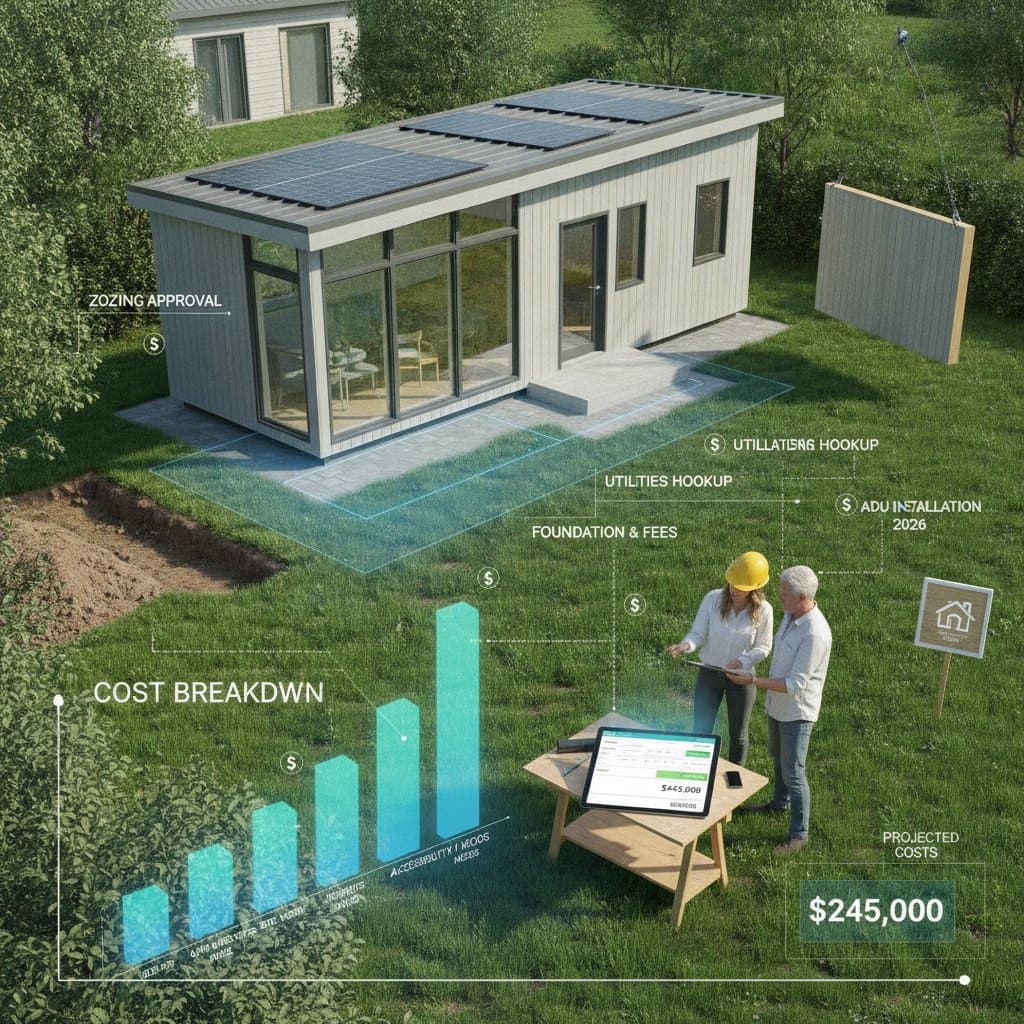
- Determine Degree of Separation: Evaluate options from fully integrated suites sharing walls to standalone accessory dwelling units. Consider lot size and zoning rules that may favor detached structures.
- Review Local Regulations: Research municipal codes for property setbacks, emergency egress paths, and accessory dwelling unit allowances. Some areas cap unit size at 1,200 square feet or require separate entrances.
- Establish a Detailed Budget: Account for architectural fees (10-15% of total), permitting costs ($500-$2,000), utility extensions, and premium finishes like durable, low-maintenance flooring.
- Collaborate with Experts: Select a designer experienced in multigenerational projects. They will maximize existing square footage by incorporating clever storage and multifunctional furniture.
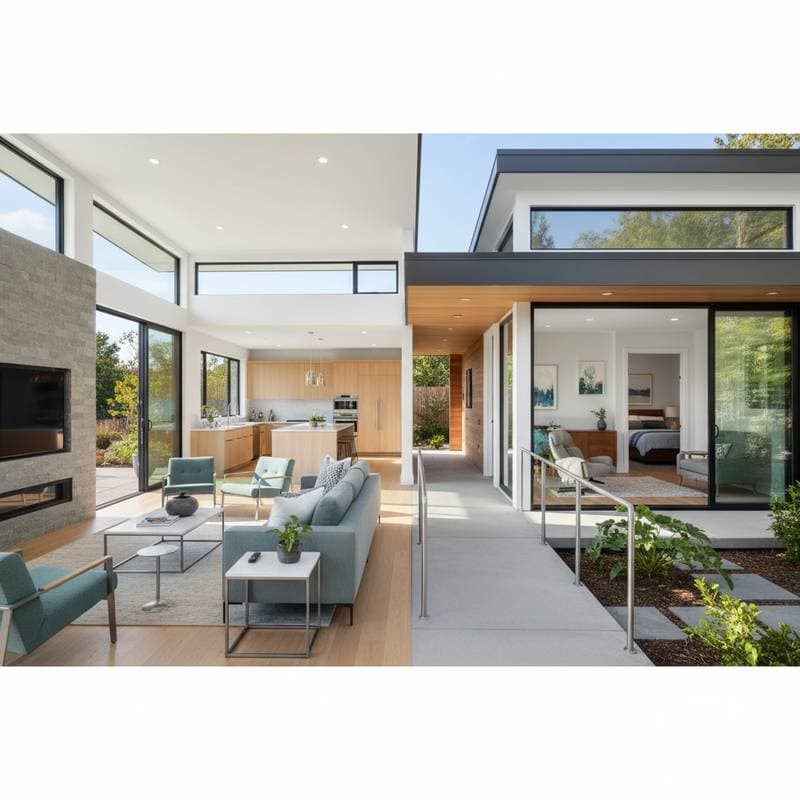
- Incorporate Universal Design Principles: Prioritize features like zero-threshold entries, adjustable-height counters, and smart home controls for lighting and temperature from the outset.
- Execute Construction in Stages: If occupancy continues during work, phase renovations—starting with non-essential areas—to limit disruption. Monitor progress to adhere to timelines.
Following these steps ensures a cohesive project. It also curbs costly revisions that arise from overlooked details.
Weighing DIY Options Against Professional Services
Deciding between self-directed efforts and expert involvement depends on project scope and personal expertise. The table below outlines key considerations.
| Factor | DIY Suitability | Additional Insights |
|---|---|---|
| Required Skills | Intermediate to advanced | Involves understanding framing techniques, basic electrical wiring, and load-bearing assessments. |
| Safety Concerns | Moderate to high | Risks include improper installations leading to collapses or electrical hazards. |
| Necessary Tools | Power saws, levels, demolition equipment | Rent specialty items like tile cutters for precise finishes. |
| Regulatory Needs | Permits mandatory for modifications | Failure to comply may result in fines or invalidated homeowner insurance policies. |
| Time Investment | 10 to 30 weeks | Professionals often complete tasks 30-50% faster with coordinated teams. |
| Long-Term Effects | Limited warranties | Certified work includes guarantees; DIY relies on personal accountability. |
Opt for DIY on cosmetic updates, such as painting walls in neutral tones or installing laminate flooring. Delegate complex elements like rerouting plumbing lines or reinforcing foundations to qualified specialists.
Sustaining Your Multigenerational Home
Regular upkeep preserves the home's value and prevents conflicts over shared responsibilities. Establish a family schedule to distribute tasks equitably.
Replace HVAC filters monthly to manage increased usage from multiple occupants. Inspect and flush water heaters annually, replacing anodes every three to five years to extend lifespan. Clear dryer vents biannually to avoid fire risks. Reapply sealant around bathroom fixtures yearly to combat moisture damage. Repaint or refinish high-traffic surfaces every five to seven years, selecting washable, eco-friendly paints.
Address outdoor elements too: Trim vegetation near structures quarterly and reseal decks biennially. These routines not only enhance efficiency but also promote a healthier living environment for all generations.
Common Questions Answered
What size is ideal for a multigenerational suite?
Aim for 350 to 600 square feet per suite. This allows room for a bedroom, bathroom, and basic living area without overwhelming the overall home footprint.
How can I budget for unexpected costs?
Allocate 15-20% of your total budget as a contingency fund. Prioritize essential structural work before aesthetic upgrades to safeguard core functionality.
Are accessory dwelling units always permitted?
Regulations vary by location. Check with local planning departments for approvals, which often include size limits and parking requirements.
How do I ensure energy efficiency in shared spaces?
Incorporate LED lighting, programmable thermostats, and Energy Star-rated appliances. These choices reduce utility bills while supporting sustainable living.
Advancing Your Multigenerational Project
With a solid plan in place, your home can evolve to meet family needs for years ahead. Start by scheduling a consultation with a local expert to tailor these principles to your property. The result will be a resilient space that nurtures connections and independence alike.