Unexpected Warranty Gaps in AI-Powered Home Systems
Quick Take
AI home systems offer ease, security, and intelligent automation. Warranties for these systems often fail to deliver equivalent protection.
- Coverage typically limits itself to hardware, excluding software malfunctions and data problems.
- Firmware updates performed outside approved channels may invalidate protection.
- Dependencies on cloud services and third-party integrations frequently lead to unprotected failures.
Understanding AI-Powered Home Systems
An AI-powered home system integrates sensors, controllers, and adaptive software to anticipate and respond to household needs. These setups manage lighting, temperature, locks, and appliances with minimal intervention. Reliance on both physical components and remote cloud processing creates complexity that traditional warranties, designed for unchanging equipment, struggle to address.
Benefits and Drawbacks
Benefits
- Enhanced control over comfort and energy efficiency through predictive adjustments.
- Real-time remote oversight for security and peace of mind.
- Seamless compatibility with a range of existing smart devices.
Drawbacks
- Fragmented warranties across various manufacturers complicate claims.
- Narrow scope that omits software defects or AI decision-making flaws.
- Exclusions for data loss during outages or service interruptions.
- Repair processes that demand expertise in both information technology and specialized trades.
Scenarios of Success and Failure
Success Factors
- Acquisition of components from a single manufacturer that includes both hardware and software assurances.
- Adherence to prescribed update schedules and certified installation protocols.
- Systematic organization of warranty documentation and maintenance records.
Failure Triggers
- Combination of elements from multiple producers, leading to coverage disputes.
- Incorporation of unauthorized applications or voice control platforms.
- Neglect of firmware refreshes or cloud service subscriptions.
Step-by-Step Guide to Reviewing Coverage
Required Tools
- Digital or physical copies of warranty documents.
- Serial numbers for all devices.
- Receipts from installation services.
- Online access for verification and registration.
Estimated Time: 30 to 60 minutes
Difficulty Level: Straightforward
- Compile Documentation. Assemble all warranties, purchase confirmations, and related paperwork for thermostats, central hubs, and sensors.
- Verify Registration Status. Confirm that each AI component is enrolled in the manufacturer's online portal, as this step activates full coverage.
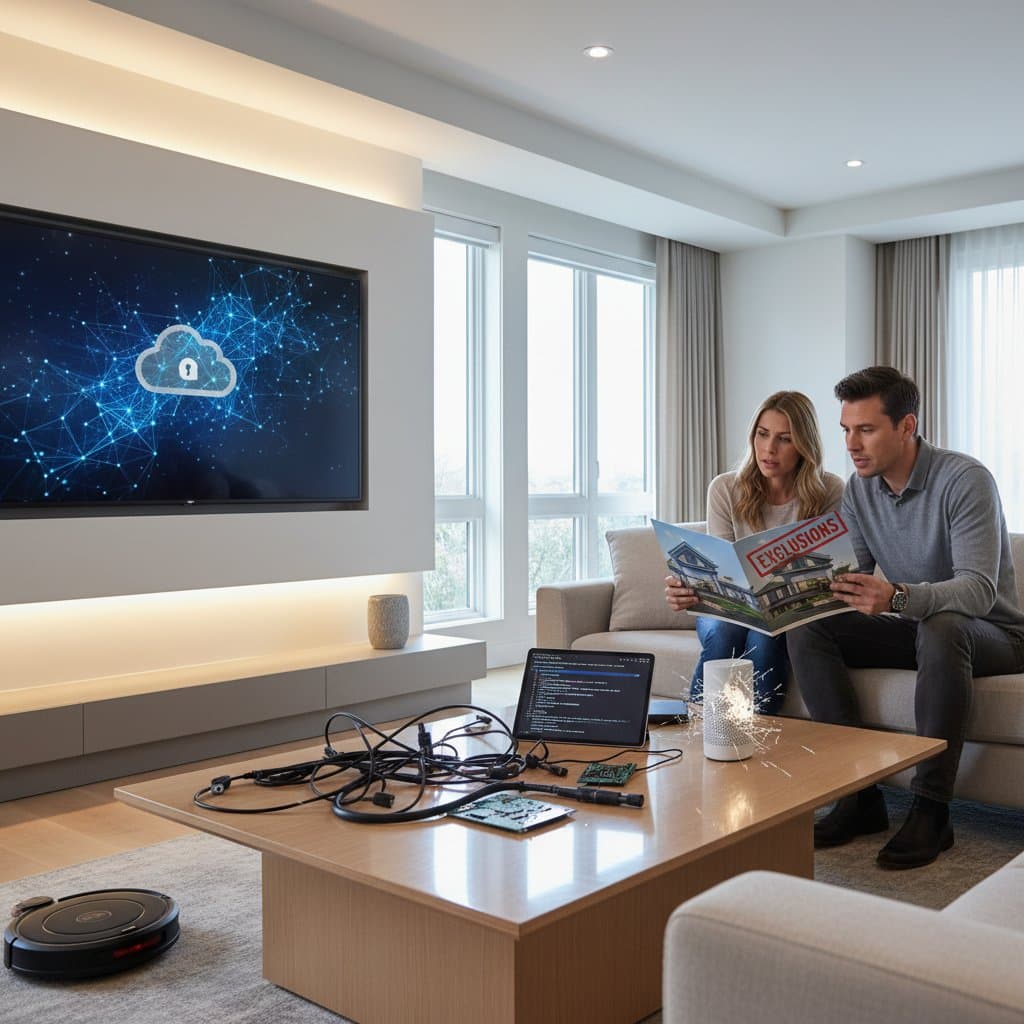
- Examine Exclusion Clauses. Search for terms such as software malfunction, data integrity issues, or compatibility with external systems, which signal potential non-coverage.
- Review Update Requirements. Identify whether updates must occur via official applications or require intervention by authorized personnel to preserve warranty validity.
- Validate Installer Qualifications. Ensure the setup was handled by an approved partner; otherwise, coverage may revert to components only.
- Engage Manufacturer Support. Submit written inquiries about specific coverage scenarios and retain responses for reference.
- Record System Configuration. Capture images of the main controller, connections, and display interfaces to support future claims.
Verification Step: Confirm that records encompass manufacturer details, serial identifiers, and duration of protection for each element.
Corrective Action: Register any overlooked items immediately to eliminate vulnerabilities.
Organization Tip: Digitize files and maintain duplicates on secure cloud storage or external drives.
Coverage Expenses
Standard Range: $200 to $800 annually for comprehensive extended plans per installation.
Cost Increases Due To
- Expansive multi-area deployments with numerous detection units.
- Inclusion of remote cloud surveillance or automated data preservation.
- Mandated periodic servicing by qualified experts.
Cost Reductions Through
- Unified ecosystems from one provider with integrated protections.
- On-site data management that bypasses recurring cloud fees.
- Self-managed setups with direct enrollment processes.
Replacement Over Repair: Opt for new units when the central hub price falls below $300, especially if diagnostic fees exceed $150, to minimize overall expenditure.
Self-Management Versus Professional Assistance
Suitable for Independent Handling
- Verification of enrollments, software refreshes, and application configurations.
- Preservation of setup profiles through backups.
- Routine cleaning of detection elements and connection integrity checks.
Instances Requiring Expert Involvement
- Configurations involving electrical systems or fuel-based appliances.
- Situations where terms demand professional setup for validity.
- Adjustments to AI algorithms or proprietary software that necessitate specialized equipment.
Expert Advantages: Professionals access diagnostic interfaces, ensure upgrade authenticity, and generate compliance documentation. Such records prove invaluable in resolving claim challenges, potentially avoiding significant financial losses.
Ongoing Maintenance Strategies
Recommended Interval: Quarterly reviews.
Essential Activities
- Monitor application alerts for available enhancements.
- Ensure synchronization of cloud-based data reserves.
- Examine detection units for accumulation of debris or degradation.
- Validate functionality of backup control mechanisms.
Desired Results: Full operational status across devices, confirmed registrations, current software versions, and archived evidence of adherence.
Regular upkeep sustains warranty eligibility and minimizes disruptions from erroneous alerts or unexpected halts.
Coverage Alternatives
Option A: Extended Manufacturer Program
Ideal for cohesive, single-vendor installations. This extends safeguards to components and digital support. Consider the elevated initial investment and reduced adaptability for future brand changes.
Option B: Independent Smart Home Insurance
Suitable for diverse, multi-brand environments under a consolidated policy. Benefits include broad applicability, though processing delays and causation debates may arise.
Option C: Smart Device Supplement to Home Insurance
Certain providers offer addendums for intelligent appliances. While expansive in scope, depth remains limited, often bypassing AI computational errors or interface complications.
Frequently Asked Questions
Does a Power Surge Invalidate the Warranty?
In most cases, yes, absent proper safeguards. Equip with certified surge arrestors or comprehensive home defenses, and retain purchase evidence.
Are Software Defects Included in Coverage?
Generally, no. Manufacturers view software as an ongoing service rather than a tangible item. Only physical imperfections receive attention.
What Happens If the Subscription Lapses?
AI functionalities often depend on active cloud infrastructure. Expiration of service agreements typically terminates protections against digital faults.
Is Warranty Transferable Upon Home Sale?
Select manufacturers permit this with prompt buyer re-registration. Review transfer provisions prior to transaction completion.
Does Performing a Factory Reset Impact the Warranty?
The reset itself does not, but it may delete diagnostic histories essential for validation. Export relevant data prior to any reset procedure.
Essential Compliance Checklist
- Retain installation invoices and device identifiers.
- Implement safeguards against surges and network threats.
- Evaluate protections quarterly.
- Preserve setup data through regular backups.
- Seek written clarification from support on ambiguous provisions.
Strategies for Long-Term Reliability
Warranties for AI home systems trail the rapid evolution of the underlying technology. While hardware assurances remain robust, vulnerabilities persist in digital operations, network links, and remote data handling. Approach your setup as a hybrid of mechanical infrastructure and informational ecosystem.
Scrutinize policy details proactively. Accumulate evidence of enhancements and professional interventions. In multi-vendor configurations, anticipate accountability shifts during incidents; thorough documentation streamlines resolutions.
For expansions or upgrades, inquire about continuity options beforehand. Prioritize providers that unify hardware and software under singular terms. This consolidated approach streamlines management, curbs expenses, and averts complications.
Reliable smart homes emerge when administrative diligence matches technological sophistication. Integrate warranty oversight into routine care. The effort invested in thorough preparation today fortifies seamless automation and enhanced living for years ahead.