2025 Costs: Building Multigenerational Homes Revealed
Summary Box
National average cost: $410,000
Typical range: $300,000 to $650,000
Low end and high end: $180,000 small conversion to $900,000 new custom build
Time to complete: 6 to 18 months
DIY or Pro: Mostly Pro with limited DIY for finishes
ROI or resale impact: 60 to 80 percent depending on layout and local demand
Updated: March 2025
Cost Factors
Scope and Size
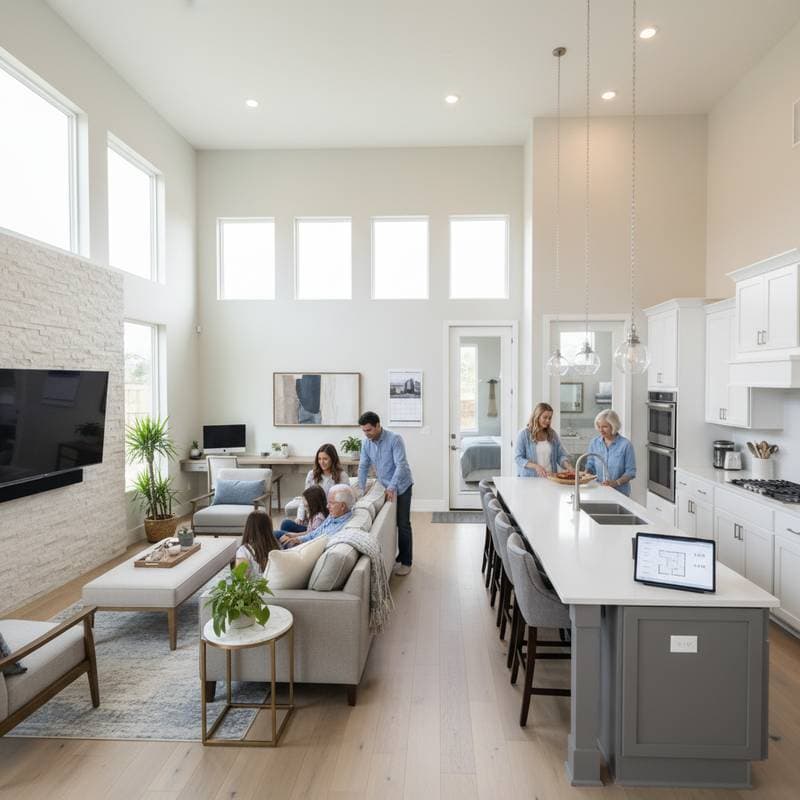
Multigenerational homes typically feature separate living quarters, such as two kitchens, multiple private entrances, and soundproofed walls to ensure privacy. The number of bedrooms, bathrooms, and shared common areas directly influences expenses, as each additional space requires more materials and labor. For instance, a basic garage conversion into an accessory dwelling unit provides essential functionality at a lower price point, though it may compromise on space and seclusion compared to a full addition.
Material Grade and Finish
Opting for standard materials, including laminate countertops and prefabricated cabinetry, keeps budgets in check without sacrificing basic quality. Premium selections like solid hardwood floors, quartz surfaces, and custom ceramic tiles can increase costs by up to twice the amount. Focus on resilient options for high-traffic areas, such as reinforced vinyl in kitchens, to reduce future repair needs and extend the home's usability across generations.
Site Conditions and Accessibility
Challenging terrain, such as sloped lots or unstable soil, demands additional groundwork like excavation, grading, or installation of retaining walls, which can add 10 to 20 percent to the total. Limited access for construction vehicles prolongs setup and raises logistics fees. Incorporating universal design elements, including ramps, widened doorways exceeding 36 inches, and zero-step showers, enhances safety for aging residents but requires upfront planning to control expenses.
Labor Market and Season
Labor often represents 50 to 60 percent of the overall budget in competitive markets where skilled tradespeople command premium rates. Scheduling construction during slower periods, such as winter in non-extreme climates, can yield savings of 5 to 10 percent through negotiated lower wages. Material costs for essentials like lumber and concrete vary with supply chain dynamics, so securing fixed-price contracts early mitigates inflation risks.
Custom Work and Change Orders
Specialized features, including bespoke cabinetry, zoned heating and cooling systems, and integrated smart home controls, escalate expenses rapidly due to their complexity. Unplanned modifications mid-project, known as change orders, frequently inflate budgets by 10 to 20 percent. Establish detailed blueprints and material selections prior to groundbreaking to streamline the process and avoid costly disruptions.
DIY vs Professional Construction
Opportunities for Skilled Homeowners
Experienced individuals can manage certain finishing tasks, such as applying paint coats, installing baseboards, or laying pre-cut flooring materials. Simple exterior work like planting native shrubs for landscaping or replacing standard light fixtures also falls within reach, provided tools like levels and drills are on hand.
Essential Professional Expertise
Licensed contractors handle critical systems including plumbing lines, electrical wiring, heating ventilation and air conditioning units, and load-bearing modifications. These elements demand adherence to building codes and specialized equipment to prevent failures that could lead to structural issues or legal liabilities.
Potential Hazards and Compliance
Altering structural components or handling gas connections poses significant dangers, including collapse risks or fire hazards. Local regulations govern accessory dwelling units and renovations, emphasizing requirements for fire-rated separations, emergency exits, and barrier-free access. Failing inspections can halt progress and incur fines, underscoring the need for professional oversight.
Protecting Warranties and Value
Systems like furnaces, circuit panels, and roofing materials carry warranties that become invalid with amateur installation. Retain records of all certified work, including invoices and inspection reports, to safeguard against disputes and bolster the property's market appeal during resale.
Strategies to Reduce Costs Effectively
- Design a central kitchen hub where families share core appliances, such as a double oven and island prep space, eliminating the need for duplicate full setups.
- Leverage existing structures by transforming basements or attics into livable suites, which cuts foundation and framing expenses by up to 30 percent.
- Select straightforward roof designs, like simple gables, to simplify engineering and lower material use in overhead construction.
- Consolidate permit applications for the entire project, including site work and unit additions, to minimize administrative fees and expedite approvals.
- Solicit bids from no fewer than three reputable contractors, requiring breakdowns of labor hours, material specifications, and contingency allowances.
- Lock in design choices, from paint colors to hardware styles, before structural phases begin to eliminate rework and associated delays.
- Purchase bulk quantities of volatile items like framing lumber, rigid insulation, and plumbing fixtures ahead of time to capitalize on stable pricing.
Regional Cost Variations
Expenses differ significantly across the United States due to local economic conditions and regulations. Urban coastal zones, with rigorous environmental and zoning rules, often surpass the national average by 25 to 40 percent, driven by elevated labor and permitting hurdles. In contrast, rural settings benefit from reduced workforce costs but contend with increased delivery charges for specialized supplies. State-specific mandates on energy performance, such as advanced insulation requirements in colder climates, further influence mechanical and envelope expenditures.
Guide to Hiring Contractors
- Outline specific needs based on family dynamics, such as in-law suites with private baths or connected living rooms for shared activities.
- Engage a qualified architect or designer to draft plans that align with building codes and optimize space flow.
- Secure zoning approvals early, as some municipalities limit secondary units or impose occupancy restrictions.
- Collect comprehensive bids using a standardized checklist to ensure apples-to-apples comparisons.
- Execute a detailed agreement specifying timelines, scope changes, and payments linked to verifiable progress stages.
- Arrange for mandatory inspections at key intervals, covering framing integrity, electrical rough-ins, and plumbing tests.
- Proceed to interior completions, installing flooring, cabinetry, and fixtures in a coordinated sequence.
- Conduct a thorough final walkthrough to address any deficiencies on the punch list prior to releasing the last payment.
Essential Bid Evaluation Checklist
- Detailed scope with quantities and descriptions
- Specified material types, grades, and suppliers
- Inclusion of site preparation, daily cleanup, and debris removal
- Coverage of all permits, fees, and waste disposal
- Clear warranty durations and coverage details
- Milestone-based payment terms with holdbacks
Project Timeline Breakdown
Construction timelines for multigenerational homes span 6 to 18 months, influenced by project scale and external factors like weather. Initial phases, including design and permitting, require 1 to 3 months to finalize plans and obtain approvals. Site preparation and foundation work follow, taking 4 to 8 weeks depending on soil conditions and excavation depth.
Framing and rough-ins, encompassing walls, roofing, and basic systems, demand 2 to 4 months, with parallel progress on plumbing, electrical, and HVAC installations. Exterior enclosure and insulation add another 1 to 2 months, protecting the interior from elements. Finishing stages, from drywall to painting and fixture installation, conclude the build in 2 to 3 months, allowing for custom elements like cabinetry fabrication.
Delays often arise from supply shortages or inspection backlogs, so build in 10 to 15 percent buffer time. Coordinate trades sequentially to avoid idle periods, and monitor progress weekly to stay on track for occupancy.
Ensuring Long-Term Durability
Regular upkeep preserves the investment in a multigenerational home, extending its service life beyond 50 years with proper care. Schedule biannual checks for roof integrity and gutter functionality to prevent water damage. Replace HVAC filters quarterly to maintain efficiency and indoor air quality.
Annually reseal caulking and grout in moisture-prone areas like bathrooms to avert mold growth. Test all smoke and carbon monoxide alarms monthly, replacing batteries as needed. Monitor foundation drainage and exterior grading yearly to avoid erosion or settling issues.
These routines not only minimize repair costs but also support the home's adaptability for evolving family needs, from young children to elderly relatives, ensuring sustained comfort and safety.