2026 ADU Costs: From Permits to Finished Backyard Home
Accessory dwelling units offer flexible living space and added property value. Families use them for rental income, multigenerational housing, or guest quarters. Total expenses reach well beyond the initial construction quote once permits, utilities, and site work enter the picture. A complete budget review helps homeowners avoid surprises and achieve lasting results.
Project Scope and Required Services
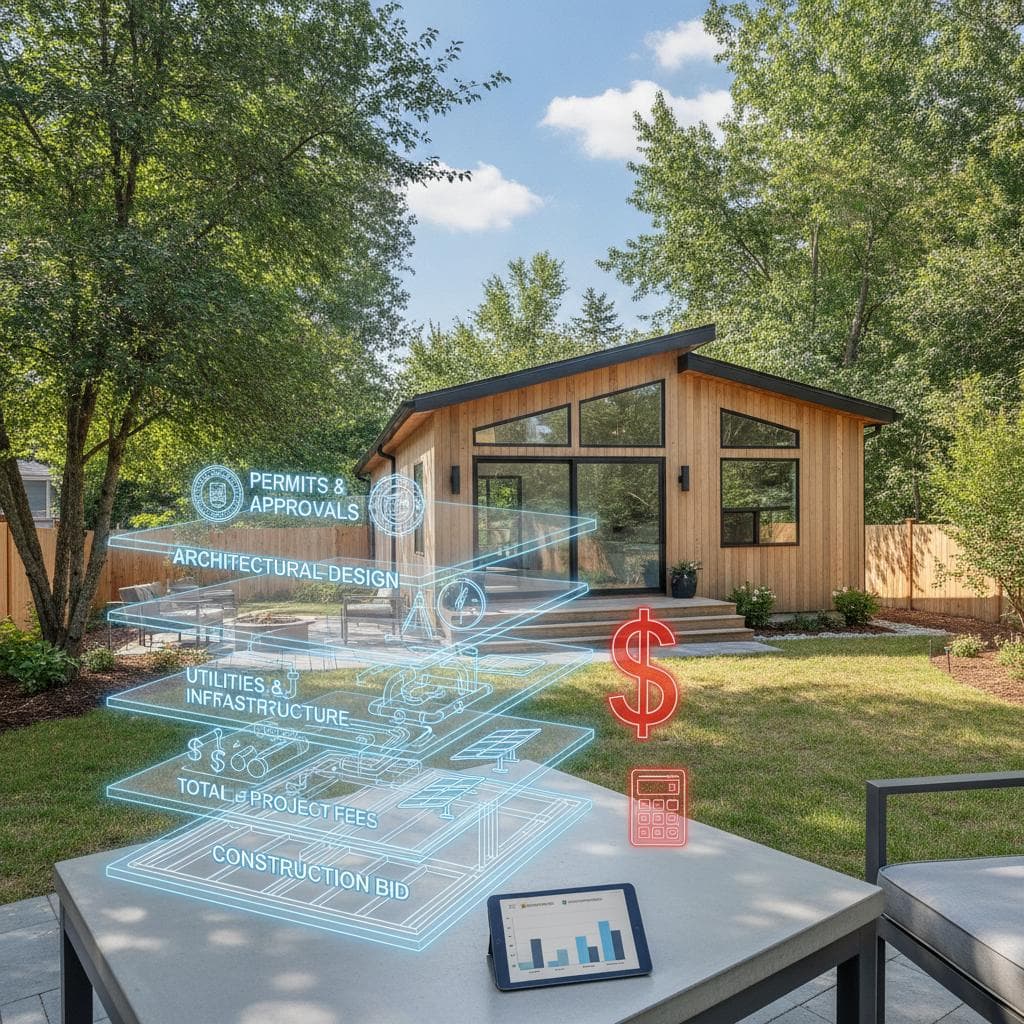
An ADU project combines design, engineering, permitting, foundation work, framing, utility hookups, interior finishes, and inspections. Different professionals handle each phase, and each phase adds its own expense. Homeowners benefit when they treat the project as a full system instead of an isolated build.
Typical services include architectural plans that meet code, structural calculations, site grading, utility extensions, construction, and final inspections. Fixed costs such as permits do not shrink with smaller units, which raises the per-square-foot price for compact designs.
Detailed Cost Breakdown
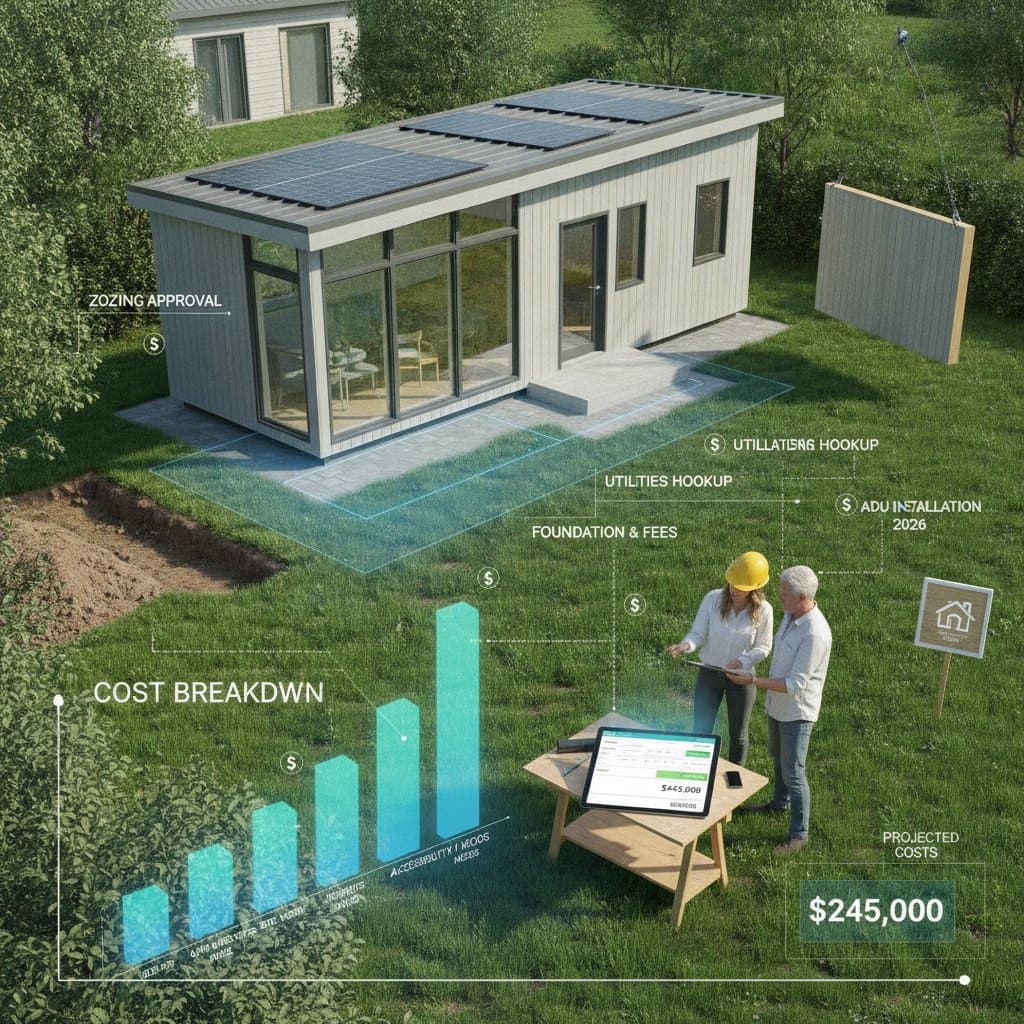
Base construction quotes range from 250 to 400 dollars per square foot. The full project cost usually lands between 180000 and 350000 dollars after all fees appear. A realistic breakdown covers these items.
- Design and plans: 6000 to 18000 dollars
- Permits and fees: 8000 to 25000 dollars
- Site preparation and foundation: 10000 to 30000 dollars
- Framing and structure: 40000 to 80000 dollars
- Interior finishes: 25000 to 60000 dollars
- Utility connections: 10000 to 40000 dollars
- Exterior and landscaping restoration: 5000 to 15000 dollars
Variables such as soil conditions, lot access, and local fee schedules explain the wide range.
Permit Steps and Hidden Fees
Cities require layered reviews before work begins. The sequence includes zoning checks, plan reviews for structure and energy compliance, utility approvals, ongoing inspections, and final occupancy clearance. Each step can trigger extra charges for sewer upgrades, power extensions, or impact fees.
Homeowners should budget extra time and money for revisions or added requirements. Early coordination with utility providers prevents later delays.
Common Contract Exclusions
Builder agreements rarely cover every cost. Typical exclusions involve new utility meters, soil remediation, sidewalk changes, furnishings beyond the allowance, and landscaping outside the work area. Clear contract language that lists inclusions and exclusions protects both parties and supports accurate budgeting.
Ongoing Ownership Costs
Property taxes often rise after completion because assessors add the new structure to the valuation. Insurance premiums increase to cover the additional building. Owners who rent the unit should reserve funds for vacancies and maintenance equal to at least five percent of yearly income.
Choosing the Right Construction Approach
Prefabricated, modular, and custom options differ in speed, flexibility, and risk. Evaluation criteria include cost per square foot, permitting difficulty, utility distance, material durability, warranty terms, and financing options. Side-by-side quotes using identical criteria reveal the best value.
Financing and Payment Management
Construction loans release funds at milestones such as foundation completion or framing approval. Homeowners must confirm how interest accrues and what happens during delays. Deposits and progress payments require careful timing to avoid work stoppages or overpayment.
Protecting the Investment
Itemized bids, written change orders, verified contractor credentials, and lien releases reduce risk. Final payment should wait until all inspections pass. Periodic site visits and photo records support warranty claims if defects appear later.
Contract Review Points
Review warranty length, dispute procedures, material substitution rules, and completion deadlines before signing. A brief legal review of the agreement can prevent costly misunderstandings.
Quality Assurance Steps
Check foundation drainage, framing alignment, rough plumbing and electrical work, insulation, and final finishes. Consistent communication with the builder keeps the project on schedule and within specifications.
Long-Term Value Considerations
Durable materials and energy-efficient fixtures lower future operating costs. Thoughtful planning from the start produces an ADU that adds flexibility and resale strength for years ahead.