AMS Home Guides Logo
Home
Remodeling Cost ComparisonsAbout
AMS Home Guides Logo

Your comprehensive resource for home guides, cost guides, and home warranty information.

HomeAboutAll ArticlesSearchPrivacyTerms

© 2026 AMS Home Guides. All rights reserved.

  1. Home
  2. /
  3. Cost Guides
  4. /
  5. Home Office Deduction Requires Exclusive Business Use
Cost Guides

Home Office Deduction Requires Exclusive Business Use

byLeah Rodriguez
2026-09-19 05:02:57September 19, 2026
7 min read
Featured image for Home Office Deduction Requires Exclusive Business Use
2026-09-19 05:02:57
AMS - Home Guides, Cost Guides, Home Warranty

Home Office Tax Savings: Deduct Your Conversion

Converting a room for remote work can improve productivity, but the tax treatment requires careful analysis. A home office deduction is not an automatic reward for buying a desk, repainting a room, or installing faster internet. Eligibility depends on your work status, how the space is used, and whether each expense meets tax rules.

The first distinction is between employees and self employed workers. Many employees cannot claim federal home office expenses personally, even when an employer requires remote work. A self employed person, independent contractor, or qualifying business owner may have access to the deduction when the office is used regularly and exclusively for business. State rules can differ, so a federal deduction does not guarantee a state tax benefit.

Define the Conversion Before Spending

A qualifying office generally needs a clear business purpose. Regular use means the space supports ongoing work, not occasional paperwork. Exclusive use means the area is reserved for business, with limited exceptions for areas used to store business inventory or provide qualifying daycare services.

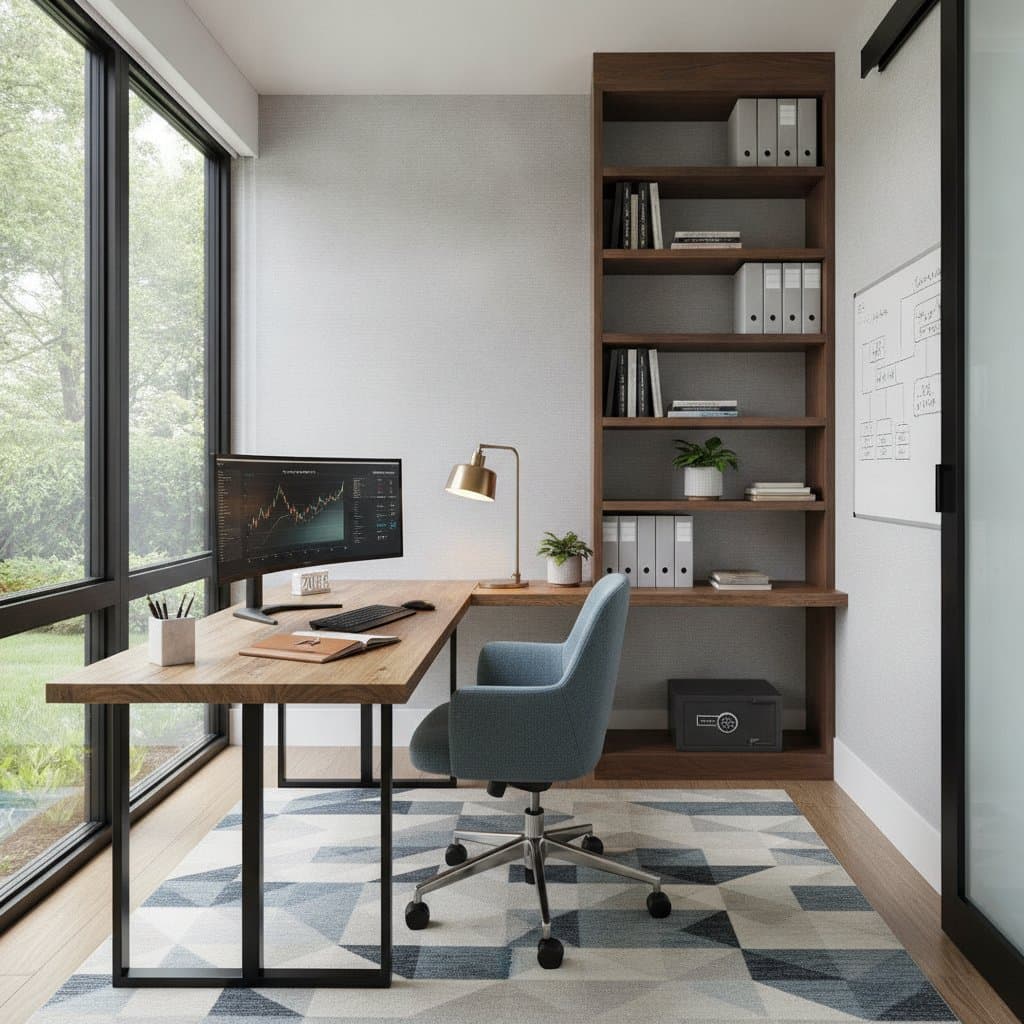
A spare bedroom used as an office may qualify if personal furniture and activities are removed. A desk placed in a shared living room creates a harder case. The business portion must be identifiable, and records should explain how the space supports income producing activity.

The conversion can include direct office expenses and a share of indirect household expenses. Direct costs benefit only the office, such as dedicated paint, built in shelving used for business records, or repairs limited to that room. Indirect costs affect the entire home, such as rent, mortgage interest, property taxes, utilities, insurance, and general repairs. Those costs are divided according to the business percentage of the home.

Two Methods Require Different Records

Taxpayers commonly choose between a simplified method and an actual expense method. The simplified option applies a set allowance based on qualified office area, subject to a maximum area. It reduces recordkeeping, but it may produce a smaller deduction for a costly conversion.

The actual expense method requires detailed records. Calculate the office percentage by dividing the office area by the total usable home area. Apply that percentage to eligible indirect costs. Add direct costs in full, then review limits connected to business income and other deductions.

Expense Category Typical Treatment Documentation Needed Main Limitation
Dedicated office repair Usually direct expense Invoice and payment record Must serve the office
Utilities and insurance Business percentage Bills and calculation Only qualifying share
Furniture and equipment Possible depreciation or expense Receipt and business purpose Personal use can reduce benefit
Internet service Business portion may qualify Bills and usage explanation Mixed use requires allocation
Structural conversion Often capital improvement Contracts, permits, receipts Recovery may occur over multiple years

Do not select a method based only on the largest first year deduction. Compare the immediate benefit with recordkeeping, depreciation, future sale treatment, and potential recapture rules. A tax professional can test both methods using your income and expense records.

Calculate the Conversion Cost Carefully

A home office project can include flooring, lighting, electrical work, ventilation, sound control, painting, furniture, and technology. Separate repairs from improvements. A repair restores an existing condition, while an improvement adds value, extends useful life, or adapts property for a new function. That distinction can change when the cost becomes deductible.

A dedicated business upgrade may qualify as a direct office expense, but a whole home electrical renovation usually requires allocation. A new roof, furnace, or exterior improvement generally benefits the property as a whole, so only the business share may be considered. Some improvements may need depreciation rather than immediate deduction.

Keep a project ledger with the contractor name, scope of work, invoice date, payment method, permit information, and business purpose. Photograph the space before and after conversion. Store floor measurements, room diagrams, and evidence that the office remained separate from personal use. These records support your calculation if the return is questioned.

Understand What Can Cause a Denial

A deduction can fail when the office is used for personal activities, even if business work occurs there frequently. Guest rooms, gaming areas, exercise equipment, and family storage can weaken the exclusive use claim. A business address alone does not establish eligibility.

Another problem occurs when the taxpayer has no income connection to the activity. A hobby, early planning project, or unprofitable activity may face additional restrictions. Expenses also can be limited when the deduction exceeds qualifying business income. Unused amounts may receive different treatment depending on the chosen method and applicable rules.

Pre existing conditions matter as well. A room that served as a personal bedroom before a later business decision needs clear documentation showing when and how the use changed. A conversion completed for appearance rather than business function may receive closer scrutiny.

Compare Financial Outcomes Before Signing Contracts

Suppose a conversion costs $8,000, with $3,000 for a dedicated office renovation and $5,000 for improvements benefiting the entire home. The deductible amount may not equal $8,000. The direct portion could receive different treatment from the shared improvements, while furniture and equipment may follow separate depreciation rules.

Build a three year comparison that includes:

  1. Project cost and financing charges.
  2. Expected federal and state tax savings.
  3. Annual utilities, insurance, maintenance, and software costs.
  4. Depreciation or recovery periods.
  5. Possible limits based on business income.
  6. Recordkeeping and professional preparation fees.
  7. Future sale or business closure effects.

A deduction reduces taxable income. It does not reimburse the purchase price. At a twenty four percent marginal tax rate, a $2,000 allowable deduction could reduce federal taxable income by about $480, subject to eligibility and limits. Paying $2,000 to obtain that result is not financially sensible unless the improvement also provides business value.

Financing requires separate scrutiny. Promotional interest rates, origination fees, secured loans, and payment penalties can change the actual cost. A contractor payment plan does not create a deduction by itself. Tax treatment usually follows the nature and timing of the expense, not the lender's marketing description.

Follow a Defensible Filing Process

Start by confirming your work classification and business structure. Then measure the office and total home area using consistent methods. Collect receipts before filing, identify direct and indirect costs, and test the deduction against business income limits.

A disciplined process includes:

  1. Define the office boundary and business purpose.
  2. Confirm exclusive and regular use.
  3. Separate repairs, improvements, equipment, and personal purchases.
  4. Allocate shared costs using documented measurements.
  5. Compare available calculation methods.
  6. Review depreciation and future sale consequences.
  7. Retain records with the tax return support documents.

If a claim is denied, do not immediately amend the return without identifying the specific issue. Request the explanation, compare it with your records, and ask a qualified tax professional whether additional evidence or a corrected calculation addresses the problem. Keep correspondence, invoices, photos, and payment proof together.

Protect the Value of the Conversion

Review your office annually. Confirm that the room remains dedicated to business, update measurements after renovations, and reconcile utility and insurance records. Keep personal and business purchases separate when practical.

A well planned office can support remote work without creating unnecessary tax risk. Treat the deduction as one part of the financial decision, not the reason to spend.

You may also like

Image for Understanding Product vs Performance Solar Coverage

Understanding Product vs Performance Solar Coverage

July 17, 2026
Image for Floor Coverage in Home Warranties vs Replacement Costs

Floor Coverage in Home Warranties vs Replacement Costs

July 17, 2026
Image for Wildfire Defense Costs $3K-$18K in 2026

Wildfire Defense Costs $3K-$18K in 2026

July 17, 2026

Tagged:

home,office,remote,conversion,work,tax,deductions,home-office-conversion,2026,2026-tax-deductions

Recent Articles by Leah Rodriguez

Image for Flood Upgrades Need Three Tests to Pay Off

Flood Upgrades Need Three Tests to Pay Off

September 19, 2026
Image for Understanding Product vs Performance Solar Coverage

Understanding Product vs Performance Solar Coverage

July 17, 2026
Image for ADU Projects Cost More Than the Construction Quote

ADU Projects Cost More Than the Construction Quote

July 16, 2026
Image for Modular Home Costs Drop 25% in 2026: What Changed

Modular Home Costs Drop 25% in 2026: What Changed

July 16, 2026
Image for Greywater Systems Cut Water Bills While Helping Planet

Greywater Systems Cut Water Bills While Helping Planet

July 16, 2026

Related: home

Image for Understanding Product vs Performance Solar Coverage

Understanding Product vs Performance Solar Coverage

July 17, 2026
Image for Floor Coverage in Home Warranties vs Replacement Costs

Floor Coverage in Home Warranties vs Replacement Costs

July 17, 2026
Image for Wildfire Defense Costs $3K-$18K in 2026

Wildfire Defense Costs $3K-$18K in 2026

July 17, 2026
Image for What Home Battery Warranties Actually Cover in 2026

What Home Battery Warranties Actually Cover in 2026

July 17, 2026
Image for Modular Home Costs Drop 25% in 2026: What Changed

Modular Home Costs Drop 25% in 2026: What Changed

July 16, 2026

Cost Guides

Real ADU Pricing: $100K to $350K Breakdown

Learn the true expenses involved in building a granny flat in 2026. This guide details costs from design through final finishes, explains timeline factors, and outlines key decisions that influence total investment and property value.

July 17, 2026

ADU Projects Cost More Than the Construction Quote

Building an ADU in 2026 involves more than construction. It requires careful attention to design, permits, site preparation, and inspections. Costs range widely based on size, location, and materials. Understanding each expense category, planning contingencies, and managing approvals carefully helps homeowners avoid surprises and achieve realistic, financially sound results.

July 16, 2026

Modular Home Costs Drop 25% in 2026: What Changed

Modular home prices may drop 25 percent by 2026 due to automation and supply improvements. Buyers must examine contracts, site conditions, and warranties to capture lasting value.

July 16, 2026

Granny Pod Costs: $85K to $250K Plus Permits

Thinking about adding a granny pod? Expect costs from $85,000 to $250,000 with permits from $2,000 to $12,000. Learn how zoning, design choices, and construction type affect your budget, timeline, and comfort. This guide covers every step from planning and permits to maintenance for a lasting, flexible backyard living solution.

July 15, 2026

Granny Pod Costs Run $85K–$180K in 2026

Granny pods deliver private living space near family while controlling care expenses. Costs in 2026 average between 85000 and 180000 dollars depending on size and location. This guide covers zoning checks, permit steps, and maintenance practices that support a successful build.

July 14, 2026

Standby Generators Cost $7K–$20K Installed in 2026

Learn what it takes to power a home through outages with a whole home generator. Review installation steps, cost drivers from $7,000 to $20,000, the need for professional setup, and maintenance practices that ensure years of automatic backup power.

July 13, 2026

Home Battery Backup Costs Between $9K and $18K Installed

Home battery backups keep power flowing during outages and cut utility costs by storing energy for later use. Expect installation costs between 9,000 and 18,000 dollars, with professional setup ensuring safety, code compliance, and warranty protection. Proper maintenance and annual inspections extend lifespan to 10 to 15 years of reliable energy resilience.

July 11, 2026

Flood Proofing Costs: $10K to $65K for Climate Defense

Flood proofing a home in 2026 averages 29000 dollars and ranges from 10000 to 65000 dollars. This guide covers cost drivers, interior sealing steps, contractor oversight, regional differences, and upkeep practices that protect value and safety.

July 10, 2026

Impact Glass Costs $60 Less Per Square Foot Than Smart

Impact glass offers dependable hurricane protection at a lower cost, while smart glass adds energy efficiency and privacy with a premium price tag. This guide breaks down 2026 costs, pros and cons, installation steps, and maintenance tips to help homeowners choose the right hurricane rated window for safety and performance.

July 10, 2026

Flood-Proofing Your Home Costs $48K in 2026

Preparing your home for future floods can cost anywhere from $22,000 to $83,000, depending on scope, materials, and site conditions. This 2026 guide explains cost factors, professional versus DIY options, and smart savings strategies to make floodproofing investments pay off through lower insurance premiums and increased property resilience.

July 10, 2026

Septic Replacement Now Costs $15K on Average

Homeowners across the country now face average septic replacement costs of 15000 due to higher material, labor, and permit expenses. The work requires licensed installers, proper design, and inspections to avoid contamination. Find out what influences pricing, when replacement becomes necessary, and how to extend system life.

July 10, 2026

2026 Granny Pod Costs: $12K to $150K Breakdown

Discover how much a 2026 granny pod really costs, what permits you’ll need, and the steps to build one safely. From zoning rules and utility tie-ins to cost-saving tips and maintenance essentials, this guide explains everything required to create a comfortable, code-compliant backyard home for aging loved ones.

July 8, 2026

2026 Granny Pod Costs: $55K to $195K Installed

Granny pods offer independent living close to family, but costs range from $55,000 to $195,000 depending on design and site conditions. Zoning rules dictate size, placement, and utilities, making early planning essential. Learn how to navigate permits, choose designs, and avoid costly mistakes before committing to your backyard dwelling.

July 8, 2026

2026 Granny Pod Costs Average $145K Installed

Discover what it really costs to add a granny pod in 2026 from $95,000 prefab builds to $210,000 custom units. Learn how permits, site prep, materials, and labor shape your budget, explore DIY savings, and get expert tips to streamline installation while maximizing comfort, compliance, and long-term value.

July 6, 2026

Federal Solar Credits Cut System Costs 30% in 2026

Homeowners gain expanded federal support for solar in 2026 through higher tax credits, simpler applications, and new direct pay options that reduce upfront costs. Lower equipment prices and streamlined permits improve access. Learn qualification steps, savings strategies, and whether DIY or professional installation suits your situation.

July 5, 2026

Why Flood Coverage Pays 40% Less Than Real Repairs

Flood insurance frequently underpays for complete restoration, leaving homeowners responsible for upgrades, hidden damage, and temporary housing. Understanding policy limits and preparing in advance reduces out-of-pocket costs and speeds recovery.

July 5, 2026

Granny Flat Build Costs Break Down by Unit Type

Building a granny flat or ADU in 2026 requires precise cost planning. This guide details construction ranges by unit type, financing factors, and steps to control expenses from permit to completion.

July 4, 2026

Home Elevation Costs $80K to $250K for Flood Safety

Elevating a home for flood protection costs $80,000 to $250,000 and involves lifting the structure above flood levels to reduce damage and insurance costs. This professional-only process includes engineering, new foundations, and utility extensions. Proper design, permits, and maintenance ensure decades of protection, grant eligibility, and compliance with evolving floodplain regulations.

July 2, 2026

Solar Roof Systems Cost $15K–$70K in 2026

Planning a solar roof in 2026? This guide details real costs from 15K to 70K after incentives, system types, installation factors, payback periods, and maintenance requirements for typical homes.

July 2, 2026

Outdoor Kitchen ROI: Real Costs Beyond Install

Outdoor kitchens add lifestyle appeal, yet value depends on cost control. Basic models begin at 8000 dollars while custom builds reach 40000 dollars. With proper care, ROI averages 50 to 70 percent. Attention to installation details, maintenance routines, and warranty terms helps homeowners approach this upgrade as a calculated investment.

July 1, 2026

Categories

Appliance & System Coverage
Cost Guides
Home Guides
Home Warranty Basics
Outdoor & Exterior Guides
Remodeling Cost Comparisons
Room-by-Room Guides