
Articles tagged with solutions
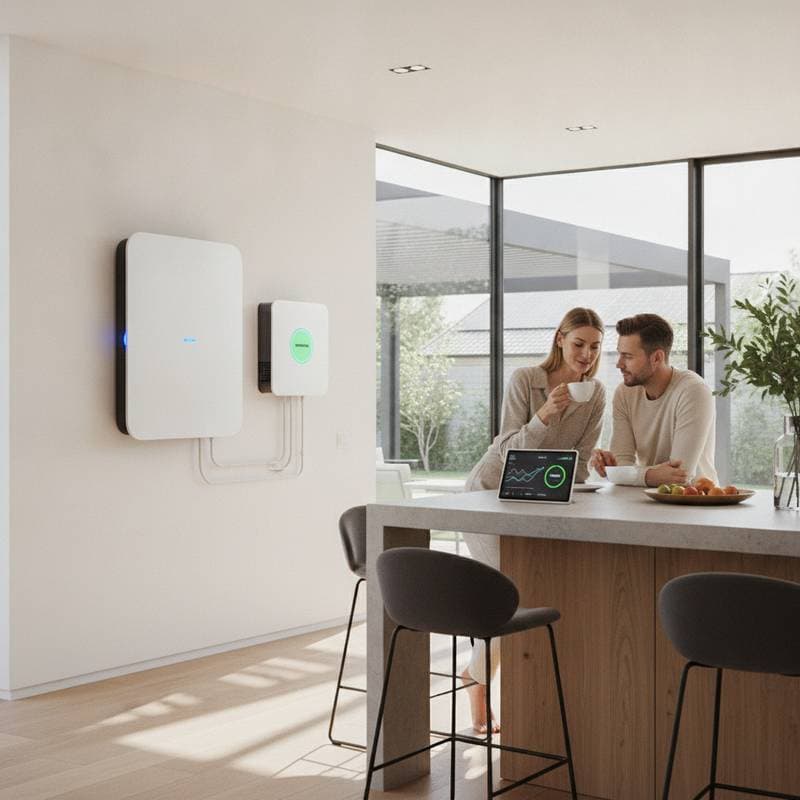
Home battery backup systems offer quiet, fuel free power during outages and can pair with solar for savings. Expect costs between $8,000 and $18,000 installed. Lithium batteries, professional setup, and annual maintenance ensure reliability. Ideal for frequent outages, these systems deliver energy security, lower bills, and long term peace of mind.
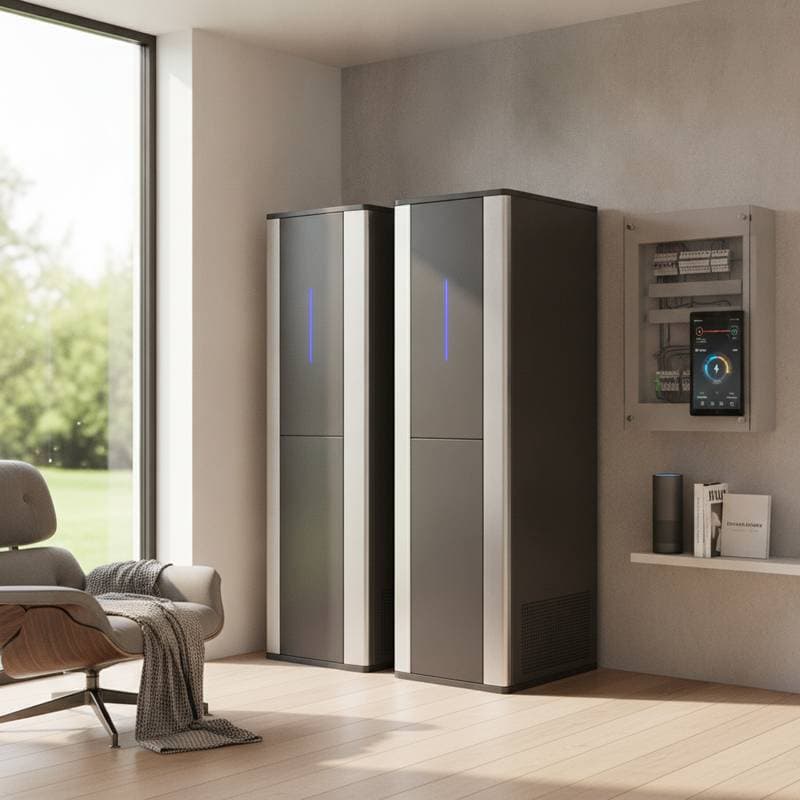
Home battery backups maintain power during outages and may reduce electricity expenses. Their typical price range of 10000 to 20000 dollars requires careful assessment. This guide covers operation, pricing influences, and professional installation requirements to support informed decisions.
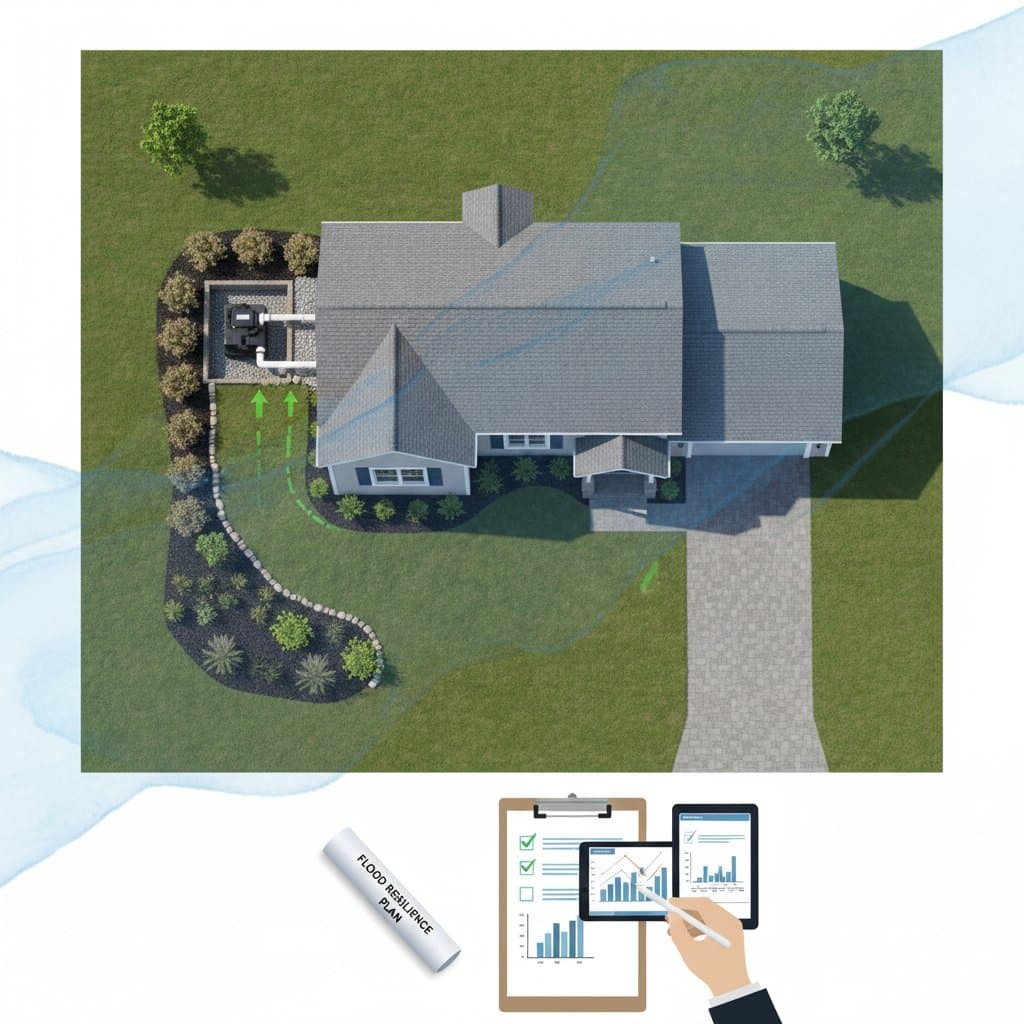
Rising flood risks demand proactive planning, smart investments, and consistent maintenance. From grading and sump pumps to landscaping and insurance, every preventive measure strengthens your home resilience and financial security. Learn how to assess risk, manage costs, and build long-term protection that keeps your property safe and its value intact.
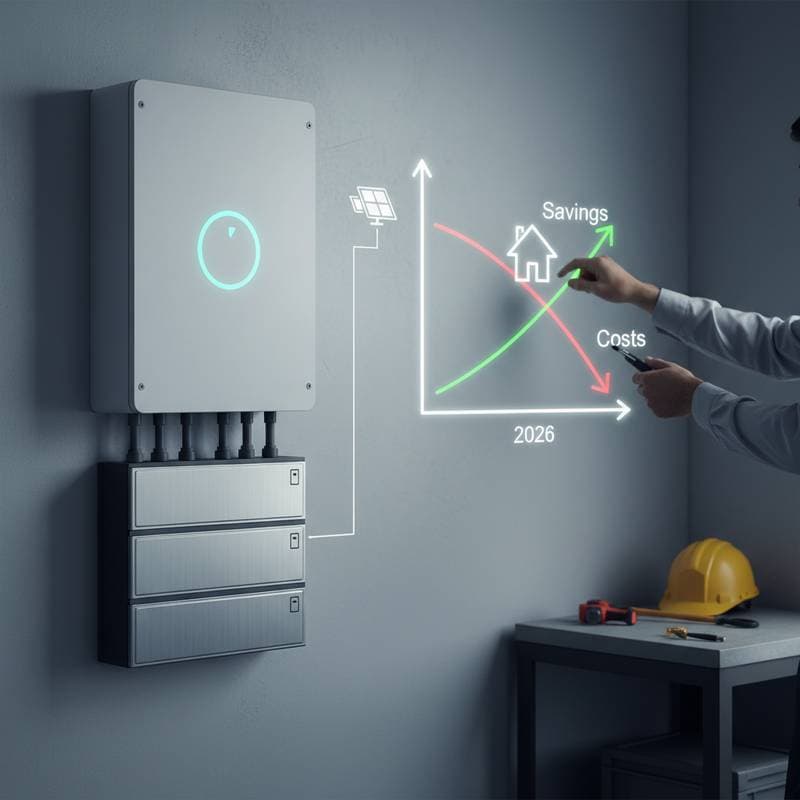
Home battery backups offer reliable power during outages, reduced energy bills, and enhanced solar integration, yet they involve significant initial investments and setup challenges. This comprehensive 2026 analysis details the financial viability, proper sizing and installation methods, along with considerations for maintenance, regulatory compliance, and decisions between professional and DIY approaches to maximize reliability and return on investment.
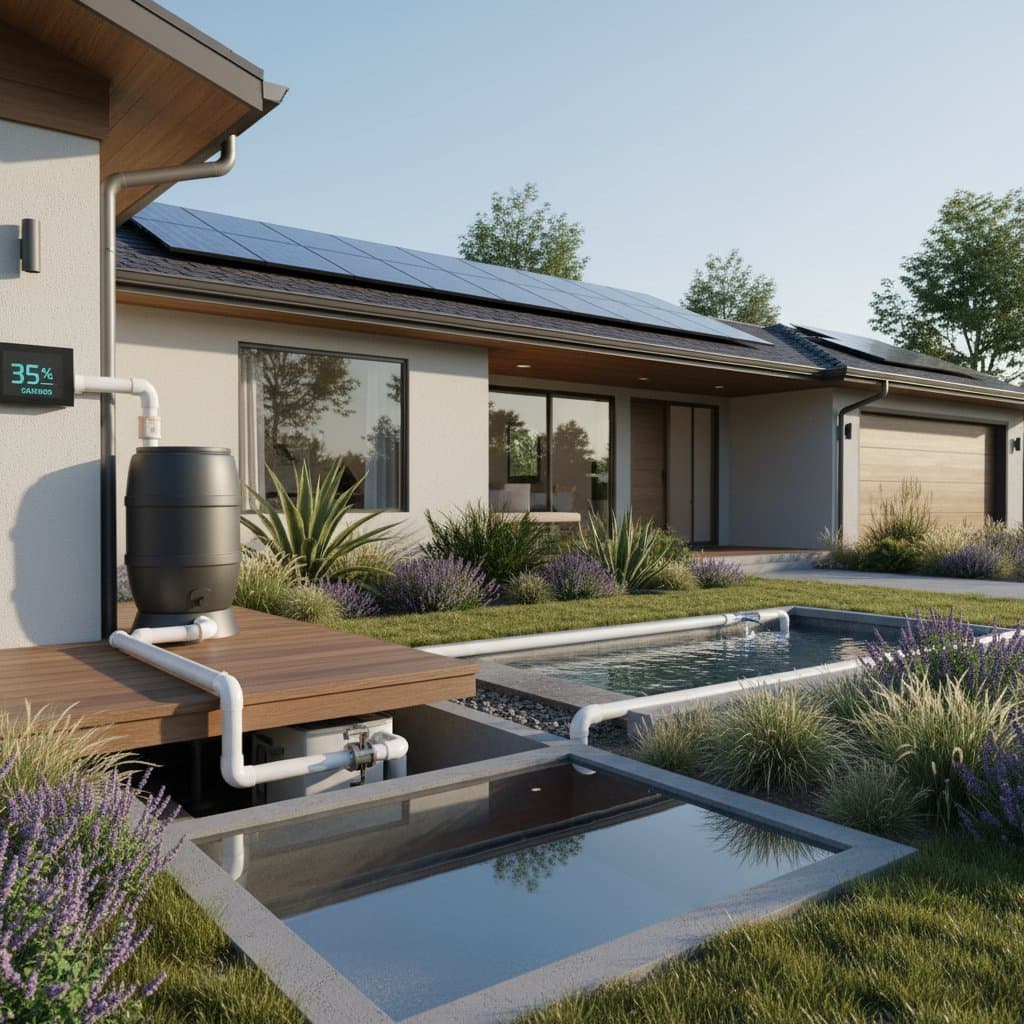
Greywater systems repurpose water from sinks, showers, and laundry to achieve bill reductions of up to 40 percent. Installation costs vary from $700 for simple setups to $8,000 for comprehensive systems, with rebates offsetting up to 50 percent. This guide covers DIY options, professional installation, and 2026 incentives to simplify adoption of water-efficient technologies.
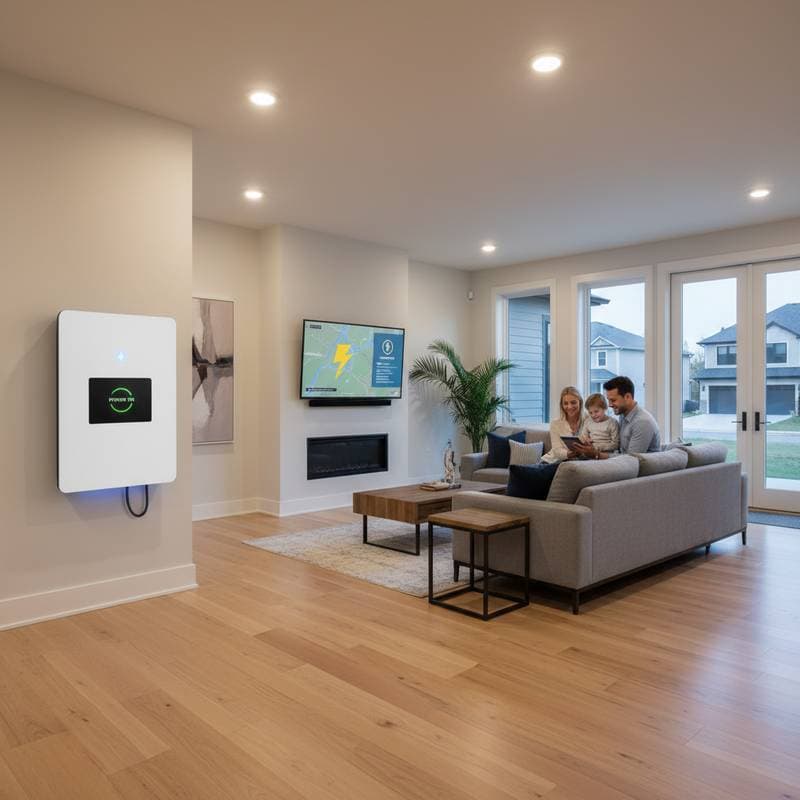
A $15,000 home battery backup system delivers continuous power to critical appliances during grid failures, enhancing safety and convenience. Professional installation ensures compliance with codes and optimal performance. The investment proves worthwhile in areas with frequent outages or for households reliant on essential equipment.
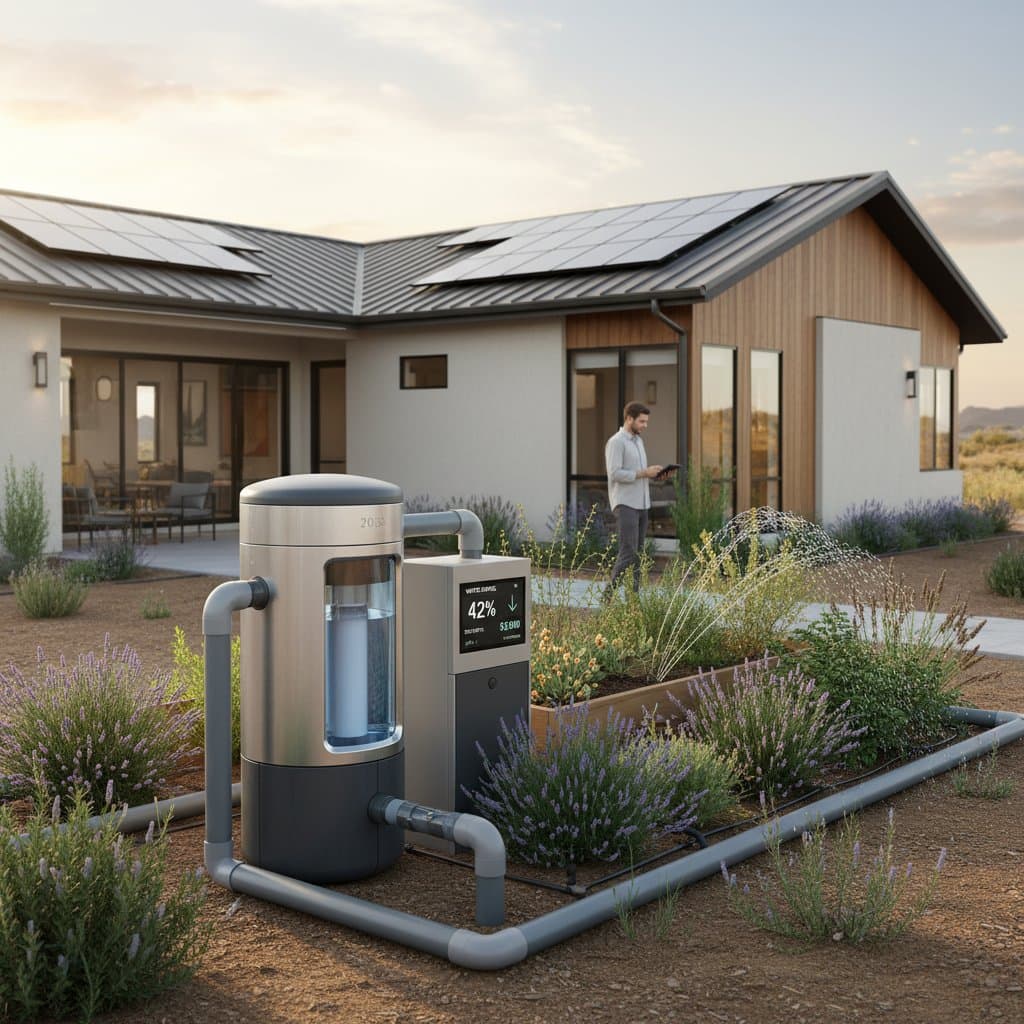
In 2026, greywater systems average $4,200 in cost, ranging from $2,500 to $7,800, with rebates offsetting up to 50 percent of expenses. These installations enable homeowners to decrease water bills by 40 percent, increase home value, and opt for either DIY or professional approaches. Strategic planning, off-season installation, and rebate utilization deliver sustainable financial benefits.

Secure your home against power failures with battery storage that holds grid or solar energy for critical use. This guide details capacity selection, technology options, $8,000 to $20,000 cost breakdowns, installation processes, and strategies for energy security and cost savings ahead of 2026.
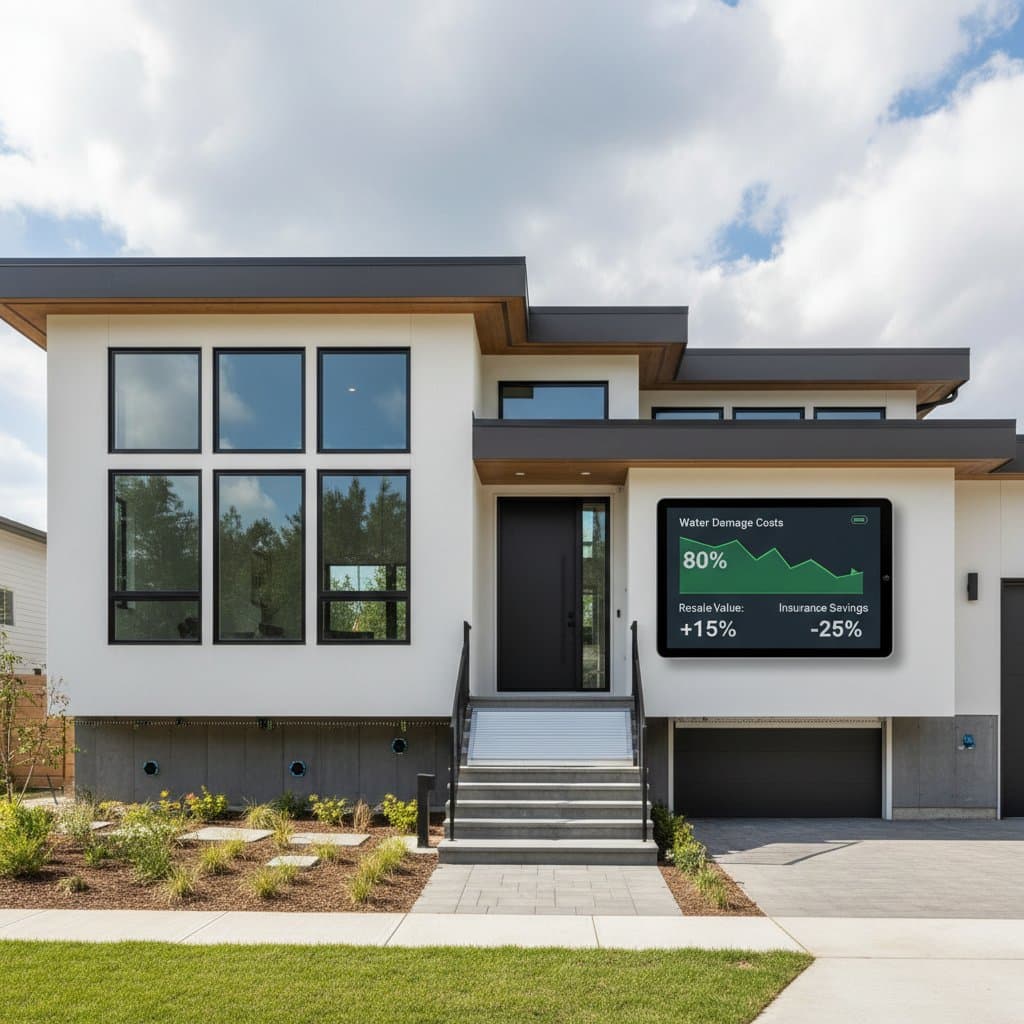
In 2026, flood-proofing a home costs between $4,000 and $28,000 based on size, risk, and materials. Options from sealing to smart systems reduce flood damage by up to 80 percent, increase resale value, and decrease insurance premiums, positioning resilience as a wise investment.
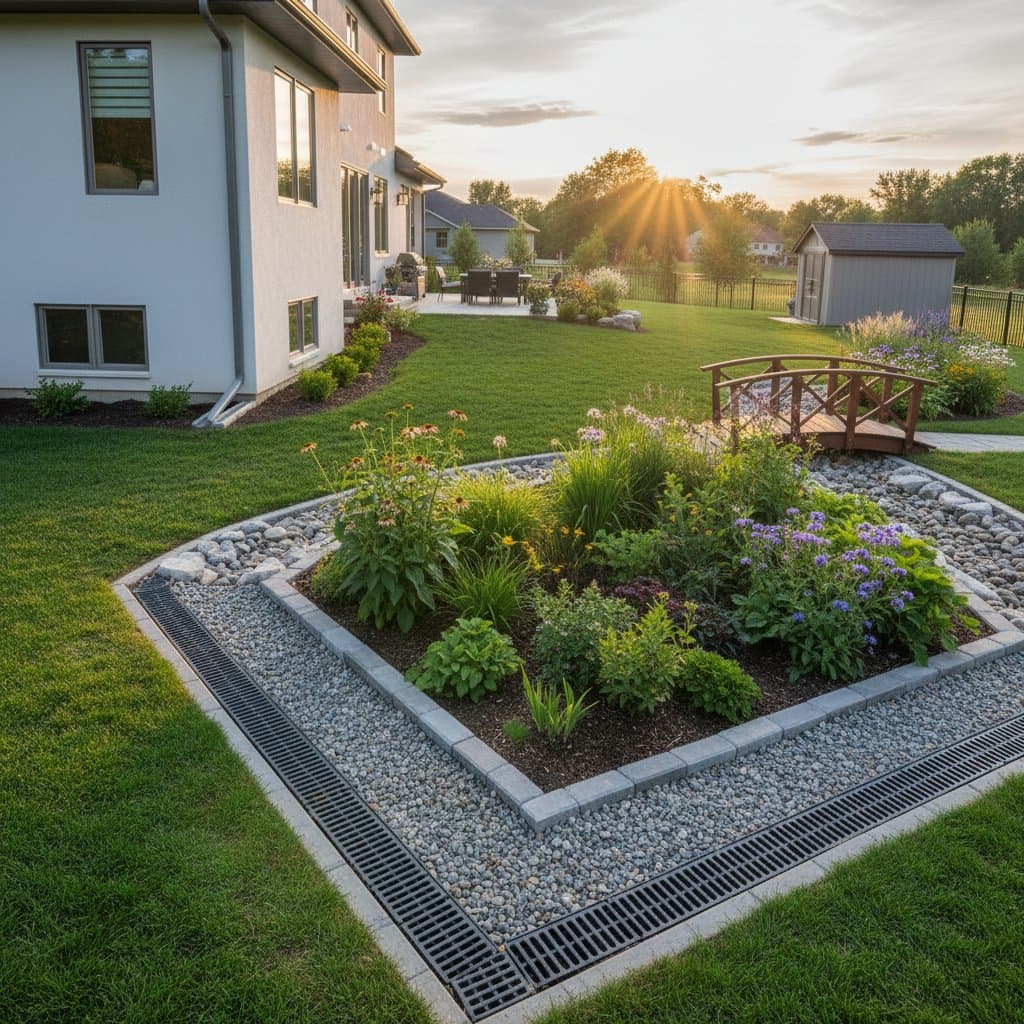
Stop backyard flooding before it damages your home and garden. This 2025 guide from ams11.org reveals proven drainage fixes, from regrading and French drains to rain gardens, complete with cost ranges, timelines, and DIY tips. Learn how smart planning and maintenance can keep your yard dry, safe, and foundation-friendly year-round.
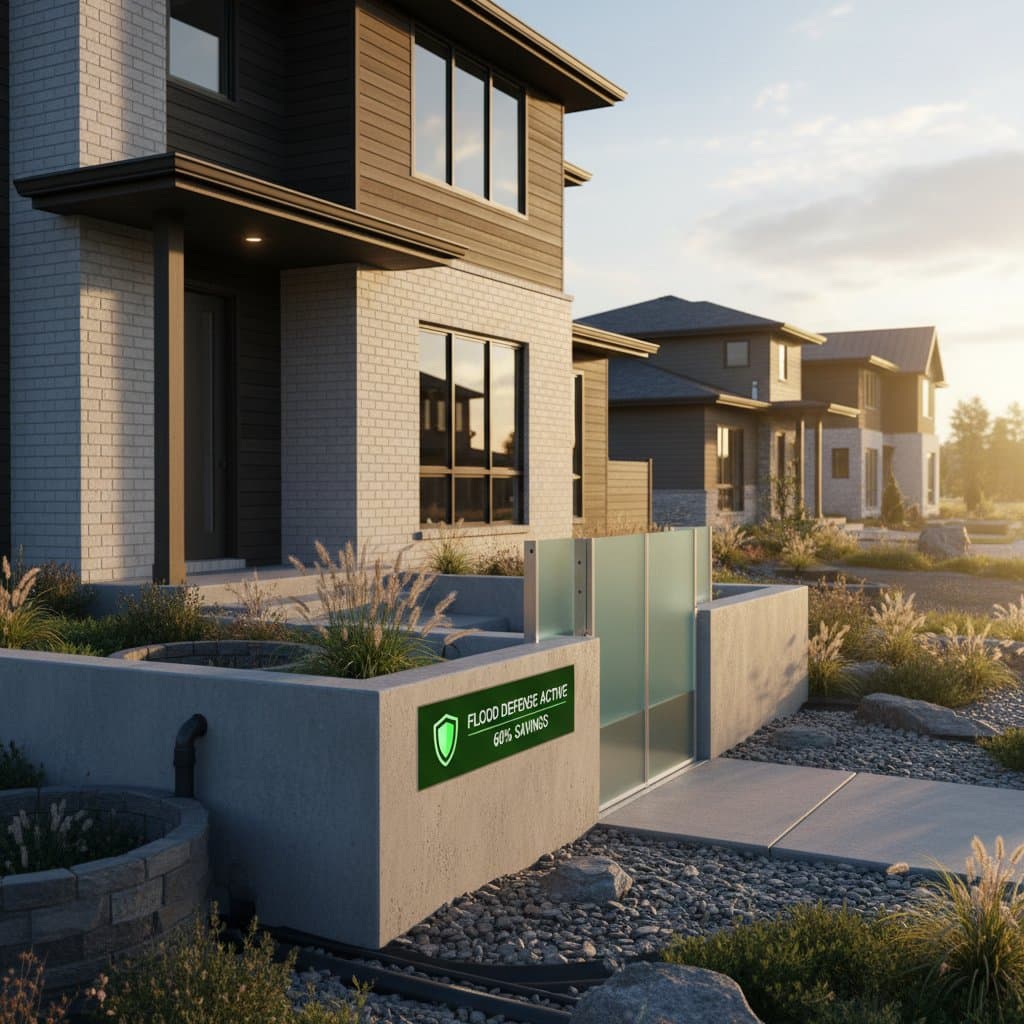
Floodproofing a home in 2025 ranges from $2,000 to $18,000 based on property size, materials, and project complexity. These systems address insurance shortcomings by protecting foundations, increasing property value, and lowering repair costs by 60 percent. Discover ways to optimize timing, select services, and ensure certified installation for maximum savings and flood resilience.