Fire-Resistant Plants That Shield Homes from Wildfire Risks
Homeowners in wildfire-prone areas can reduce fire damage by selecting fire-resistant plants. These plants retain moisture, grow close to the ground, and produce minimal dry debris. Proper selection and maintenance establish a defensible space that impedes flames before they reach buildings.
Understanding Fire-Resistant Plants and Their Applications
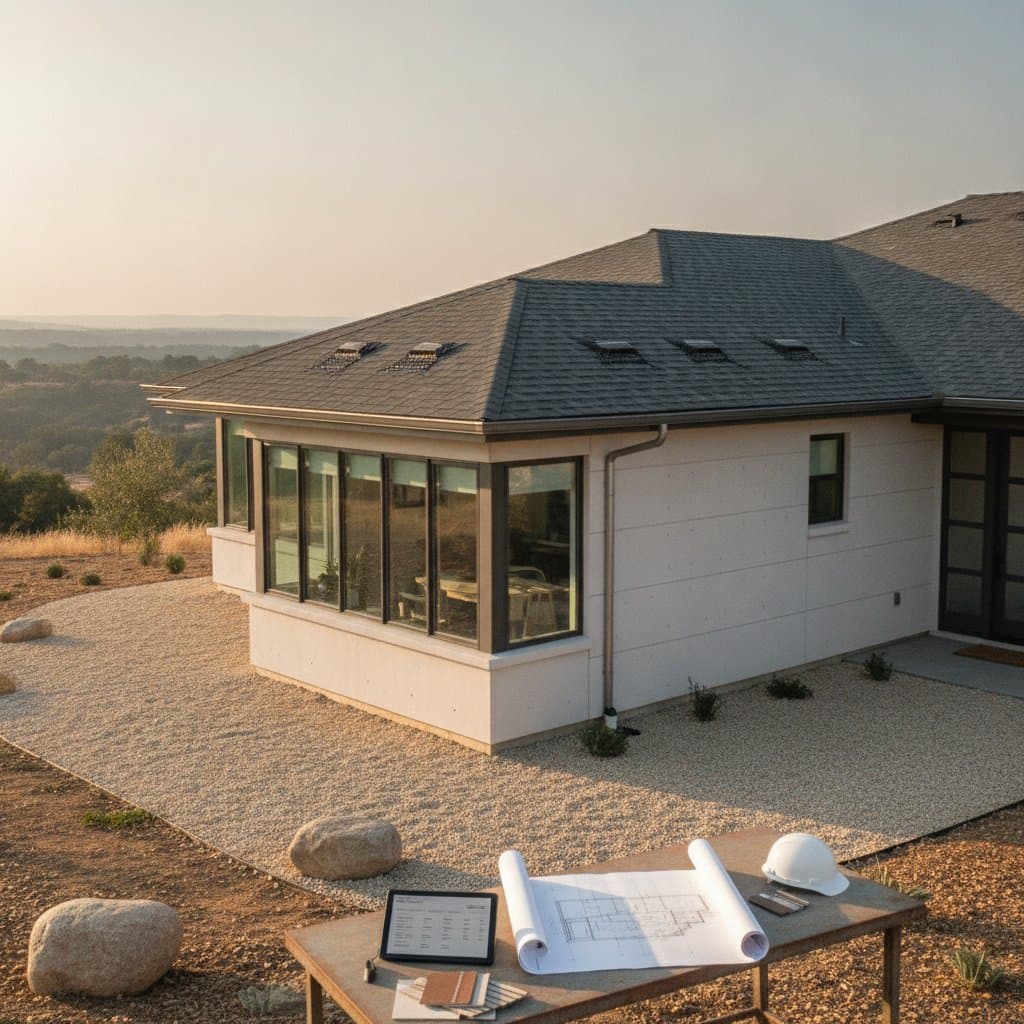
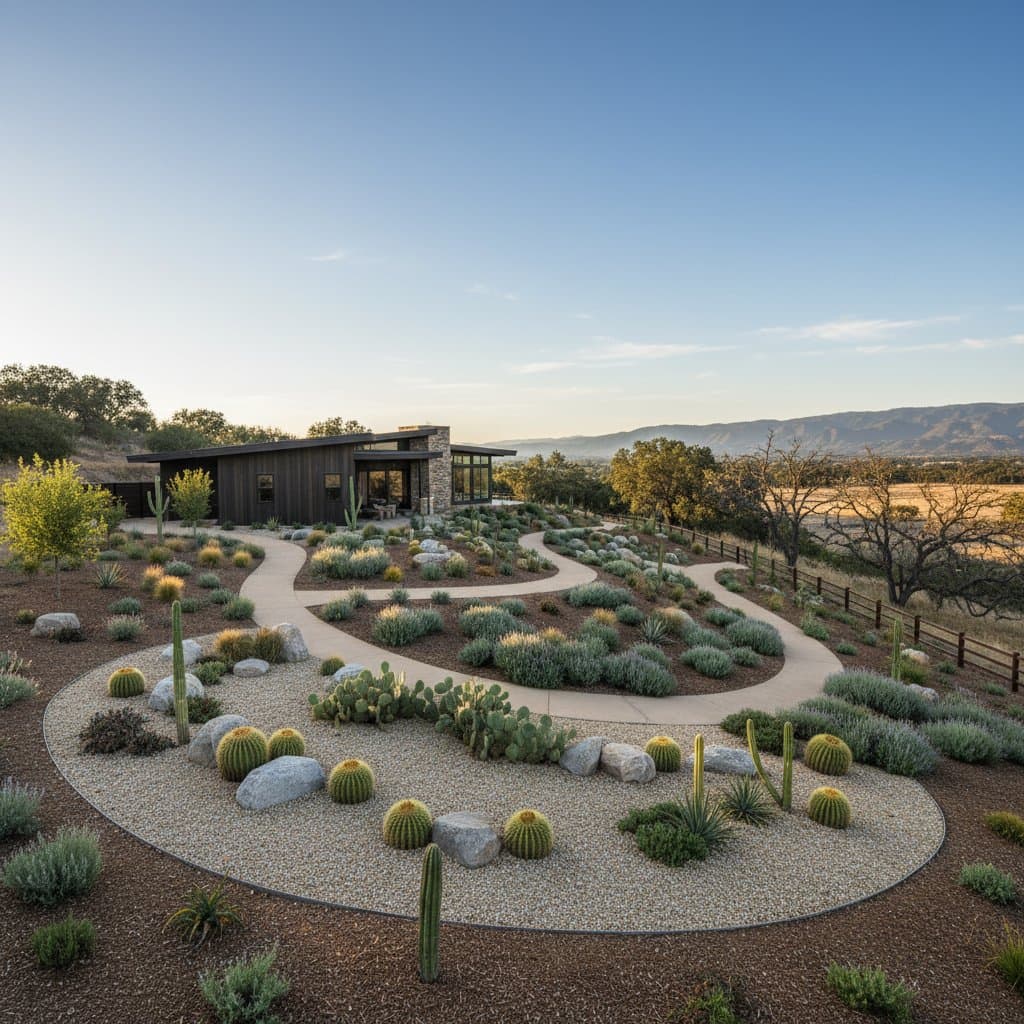
Fire-resistant plants resist ignition from heat or embers, burning slowly if at all. They feature high moisture content in leaves, smooth bark, and limited shedding of needles or foliage. Position these plants within the initial 30 feet surrounding a home, designated as the defensible space zone, to disrupt fuel continuity. While not entirely fireproof, they provide critical time for emergency response and safe evacuation.
In regions with frequent wildfires, such as California's chaparral landscapes or Colorado's foothills, these plants integrate seamlessly into broader fire mitigation strategies. They complement hardscaping elements like stone walls and wide pathways, enhancing overall property resilience without compromising aesthetic appeal.
Advantages, Drawbacks, and Ideal Applications
Advantages:
- Reduced ignition potential adjacent to buildings
- Minimal watering requirements after establishment
- Effective slope stabilization to prevent erosion
- Support for local pollinator populations through nectar-rich blooms
Drawbacks:
- Ongoing pruning and debris removal remain essential
- Certain native varieties may draw deer or insects
- Growth patterns differ based on local climate and soil conditions
Ideal applications: Properties on rural peripheries, sloped terrains, or sites prone to brush fires benefit most. Pair these plants with gravel surfaces, rock mulches, and noncombustible barriers for optimal results. Urban-wildland interfaces, where homes border natural vegetation, represent prime scenarios for implementation.
Cost Analysis and Influencing Factors
Fire-resistant landscaping installation typically ranges from 4 to 12 dollars per square foot. This variation stems from plant maturity at planting, irrigation infrastructure, and terrain preparation needs. A basic shrub replacement project near the home often falls under 2000 dollars, making it an accessible upgrade for many budgets.
| Scope Item | Material Cost Range | Labor Cost Range | Total Cost Range | Notes on Key Drivers |
|---|---|---|---|---|
| Shrub and Groundcover Plants | 2 to 6 per sq ft | 2 to 5 per sq ft | 4 to 11 per sq ft | Plant variety, density, and soil amendment requirements |
| Irrigation Retrofit | 0.50 to 2 per sq ft | 1 to 3 per sq ft | 1.50 to 5 per sq ft | Efficiency of drip systems in conserving water and minimizing steam production |
| Mulch and Gravel | 1 to 3 per sq ft | 1 to 2 per sq ft | 2 to 5 per sq ft | Preference for nonorganic options like decomposed granite over combustible alternatives |
Primary cost influencers include material quality, project complexity, and site accessibility. Challenging slopes or established root systems increase labor demands, potentially extending timelines and expenses.
Detailed Installation Guide
Essential safety equipment: Wear gloves, protective eyewear, long-sleeved clothing, and durable footwear to guard against thorns, dust, and uneven ground.
Regulatory considerations: Permits generally prove unnecessary unless significant earthmoving or underground irrigation work occurs. Consult local fire authorities for zone-specific guidelines.
-
Establish a clear perimeter. Eliminate dead vegetation, accumulated pine needles, and shrubs within five feet of any structure to eliminate immediate fuel sources.
-
Condition the soil. Aerate compacted areas to a depth of six inches and incorporate organic compost to improve water-holding capacity and nutrient availability.
-
Install irrigation system. Deploy drip lines equipped with emitters positioned every 12 to 18 inches to deliver targeted hydration without excess surface wetting.
-
Position fire-resistant plants. Maintain minimum separations of two feet for compact varieties and six feet for larger shrubs to prevent canopy overlap and fire bridging.
-
Apply protective mulch. Spread a two-inch layer of gravel or stone to suppress weed growth and limit ground-level fire spread.
-
Initiate watering regimen. Provide deep soakings to sustain root development throughout the establishment phase, typically the first year.
Professional landscapers complete setups for a standard quarter-acre site in three to five days, factoring in team coordination and equipment. Homeowners tackling the project independently should allocate two full weekends, allowing time for rest and adjustments.
Compliance, Safety Protocols, and Assurance Details
Local jurisdictions in high-risk areas mandate defensible space evaluations prior to construction or insurance renewals. Document plant choices and clearance efforts to satisfy insurer requirements and potentially qualify for premium reductions. Steer clear of high-volatility species like junipers, eucalypts, or pines, which contain resins, waxy coatings, or volatile oils; their prominence in the inner zone may invalidate fire safety certifications.
Regular inspections by certified arborists ensure ongoing adherence to standards. Warranties on plant stock usually cover one to two years against transplant failure, provided maintenance protocols follow recommendations.
Common Pitfalls in Implementation
- Positioning vegetation too near eaves, decks, or exterior walls, which accelerates ember attachment
- Opting for organic bark mulches that serve as ready kindling
- Neglecting routine trimming during peak dry seasons
- Allowing irrigation systems to falter amid summer heat
- Intermingling combustible and resistant plants within the same planting area, creating hybrid fuel zones
Addressing these issues early preserves the system's effectiveness and avoids costly rework.
Ongoing Maintenance Strategies and Longevity
A robust maintenance routine extends the lifespan of fire-resistant plantings to 10 to 20 years or more, depending on species and care. Schedule pruning twice annually: once in late winter to shape growth and remove deadwood, and again in early fall to clear seasonal debris. Monitor for pests like aphids on lilacs or borers in manzanitas, applying organic controls as needed.
Watering tapers to biweekly sessions after the first year, adjusted for rainfall patterns. Annual soil tests guide fertilizer applications, focusing on low-nitrogen formulas to discourage rapid, flammable growth. In essence, consistent upkeep transforms initial investments into enduring safeguards, reducing wildfire vulnerability while fostering a thriving landscape.
Guidelines for Professional versus Self-Installation
Evaluate readiness using a structured assessment:
-
Competency alignment: Confirm proficiency in soil tilling, planting techniques, and basic irrigation assembly.
-
Hazard evaluation: Assess site stability and personal familiarity with power tools to minimize injury risks.
-
Resource check: Verify possession of essentials like shovels, loppers, rakes, carts, and starter irrigation components.
For complex sites exceeding 1000 square feet or involving steep inclines, engage certified landscapers to ensure precision and compliance. DIY approaches suit smaller, level areas where hands-on control appeals.
Comparative Overview of Popular Fire-Resistant Species
| Plant Type | Mature Height | Water Requirements | Fire Resistance Level | Additional Characteristics |
|---|---|---|---|---|
| California Lilac | 3 to 8 feet | Low | High | Vibrant blue blooms in spring; forms dense, low-branching structure |
| Manzanita | 2 to 10 feet | Low | High | Reddish, peeling bark; produces negligible litter for easy upkeep |
| Rockrose | 3 to 5 feet | Moderate | High | Leathery foliage resists drying; maintains tidy, rounded form |
| Yarrow | 1 to 2 feet | Low | High | Feathery leaves ideal for ground cover; tolerates poor soils well |
| Agave | 1 to 4 feet | Very Low | High | Thick, water-storing leaves; architectural accent with minimal care |
These selections adapt well to Mediterranean climates but require adaptation testing in arid or coastal zones.
Implementing Protection Today
Begin by mapping your property's defensible space, identifying high-risk areas near structures. Source plants from reputable nurseries specializing in native species to match your locale's ecology. With thoughtful planning and execution, fire-resistant landscaping not only fortifies your home but also cultivates a resilient, beautiful outdoor environment that withstands nature's challenges.