Preparing Your Roof for 2026 Climate Challenges
Understanding Climate-Resilient Roofing Essentials
Homeowners face growing threats from extreme weather, making resilient roofing a critical upgrade. These advanced systems range in cost from $9,800 to $28,400, with the average installation hitting $17,600 for a standard home replacement. They incorporate materials engineered to handle high winds, intense heat, and heavy moisture, ensuring long-term structural integrity.
Key cost drivers include material choices, roof dimensions and pitch, and local climate demands. Properties in coastal regions or areas with extreme temperatures often need extra reinforcements like enhanced underlayment or heat-reflective surfaces, increasing expenses by 15 to 25 percent. Data from the National Roofing Contractors Association indicates that well-installed resilient roofs last up to 40 percent longer than traditional asphalt options, providing substantial return on investment.
Choosing a climate-resilient roof goes beyond immediate shelter; it secures your property's future while promoting safety and financial prudence. Partnering with experienced installers and selecting appropriate materials guarantees performance amid evolving weather patterns.
Detailed Cost Analysis for Resilient Roof Installations
Core Pricing Framework
Contractors typically base quotes on square footage covered. For mid-level eco-friendly materials, rates fall between $7 and $13 per square foot, while premium options like composites or metals command $14 to $20 per square foot. Smaller jobs incur minimum fees around $2,500 for partial replacements.
Basic setups with fortified asphalt shingles start at approximately $10,500 for an average home. The typical nationwide figure reaches $17,600, and luxury features such as solar integration or stone-coated steel push totals beyond $28,000. Variations in local wages and material availability can adjust these estimates by up to 20 percent.
Impact of Roof Size and Configuration
Expanding the project by 100 square feet generally adds $900 to $1,300 to the bill. A modest 1,800-square-foot ranch-style roof might total $16,000 with standard materials, whereas a 3,000-square-foot custom design with intricate gables could surpass $25,000. Steep pitches and multi-level architectures demand more materials and labor, often tacking on an extra 10 percent.
To estimate your costs accurately, measure your roof's surface area using online calculators or consult a professional for a site assessment. Factor in overhangs and valleys, as these elements influence material quantities and installation complexity.
Material Options Across Quality Levels
-
Basic Tier: Opt for reinforced asphalt shingles enhanced with polymer coatings, priced at $7,000 to $12,000 for a typical residence. These endure 20 to 25 years and offer foundational resistance to wind and thermal stress.
-
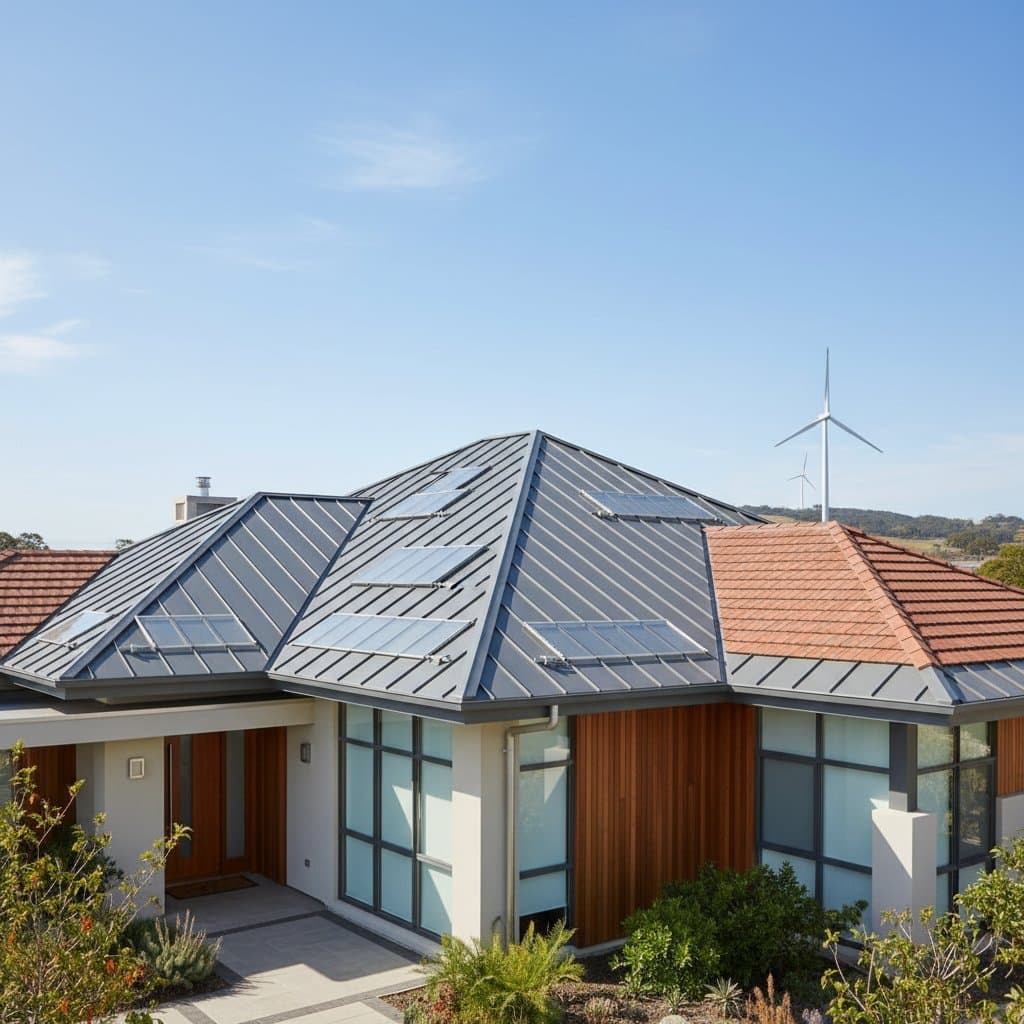
Intermediate Tier: Consider standing seam metal roofs from reputable suppliers like Englert or ATAS International, costing $14,000 to $20,000. They deflect solar heat, withstand corrosion, and maintain effectiveness for 40 years with routine care.
-
Advanced Tier: Select composite or stone-coated steel products from Decra or Boral Roofing, ranging from $22,000 to $30,000. These achieve Class 4 impact ratings, optimize energy use, and come with lifetime guarantees that can elevate home resale value by as much as 6 percent.
Evaluate your local weather risks when picking materials; for instance, metal options excel in windy areas, while composites suit hail-prone zones.
Additional Factors Influencing Expenses
Challenges like poor site access or tall buildings can elevate labor charges by 15 percent. Strict building codes in hurricane or fire-risk zones necessitate custom hardware and barriers, adding $2 to $4 per square foot. Always budget for permits, debris removal, and final inspections to avoid surprises.
Review your area's regulations early by contacting local authorities. This step helps identify mandatory upgrades, such as wind-rated fasteners, ensuring compliance without mid-project cost hikes.
Weighing Professional Installation Against DIY Approaches
Attempting a DIY replacement with resilient materials seldom yields true savings. Purchasing bundles of IKO Nordic shingles at $45 each, plus $200 daily equipment rentals, might total $9,000 to $12,000 in supplies alone. Factor in 60 to 80 hours of effort, sealing errors, and possible permit issues, and the economic advantage vanishes.
Professional crews deliver expertise with high-value tools, full insurance coverage, and guarantees against failures like water intrusion. Clients avoid personal time commitments of 25 to 30 hours and secure a roof that meets all specifications. Over five years, pros often prove more economical through fewer repairs and energy reductions.
To choose a reliable contractor, seek certifications from organizations like the National Roofing Contractors Association. Request references and detailed proposals outlining timelines, warranties, and material sources.
Practical Tips to Optimize Costs and Performance
Time your project for slower seasons to secure reductions up to 10 percent. Many contractors provide incentives for midweek starts or combined work, such as integrating new gutters.
Explore financing options through manufacturer rebates or energy-efficient incentives, which can offset upfront costs for qualifying systems. Conduct a home energy audit beforehand to pinpoint how your new roof integrates with insulation and ventilation for maximum efficiency.
Securing Lasting Benefits from Your Investment
A climate-resilient roof safeguards your structure while enhancing overall home performance and market appeal. Surfaces with reflective properties cut air conditioning demands by 15 percent, and tighter seals minimize moisture buildup to prevent mold. Regular upkeep, including annual checks, sustains peak condition for generations.
Plan for ongoing care by scheduling bi-annual inspections focused on seams, flashing, and drainage. These proactive measures extend durability and preserve the financial and protective advantages in an era of climate uncertainty.