Building Climate Resilience in Your Yard
Yards capable of managing both drought and flooding represent an essential aspect of modern homeownership. Shifting weather patterns elevate the importance of water management. Effective climate-resilient landscaping integrates hydrology, plant selection, and budgeting to safeguard property values and minimize ongoing expenses.
Homeowners benefit from a thorough evaluation of their landscape needs. This approach ensures the yard functions as a cohesive system rather than isolated features. Results include reduced repair costs and enhanced environmental contributions.
Core Principles of Water-Balanced Landscaping
Water balance forms the foundation of climate-resilient design. The objective involves capturing rainfall, storing it in soil, and releasing it gradually to nourish plants without causing harm. Key components include precise soil grading, integrated drainage features, and selections of vegetation suited to variable moisture levels.
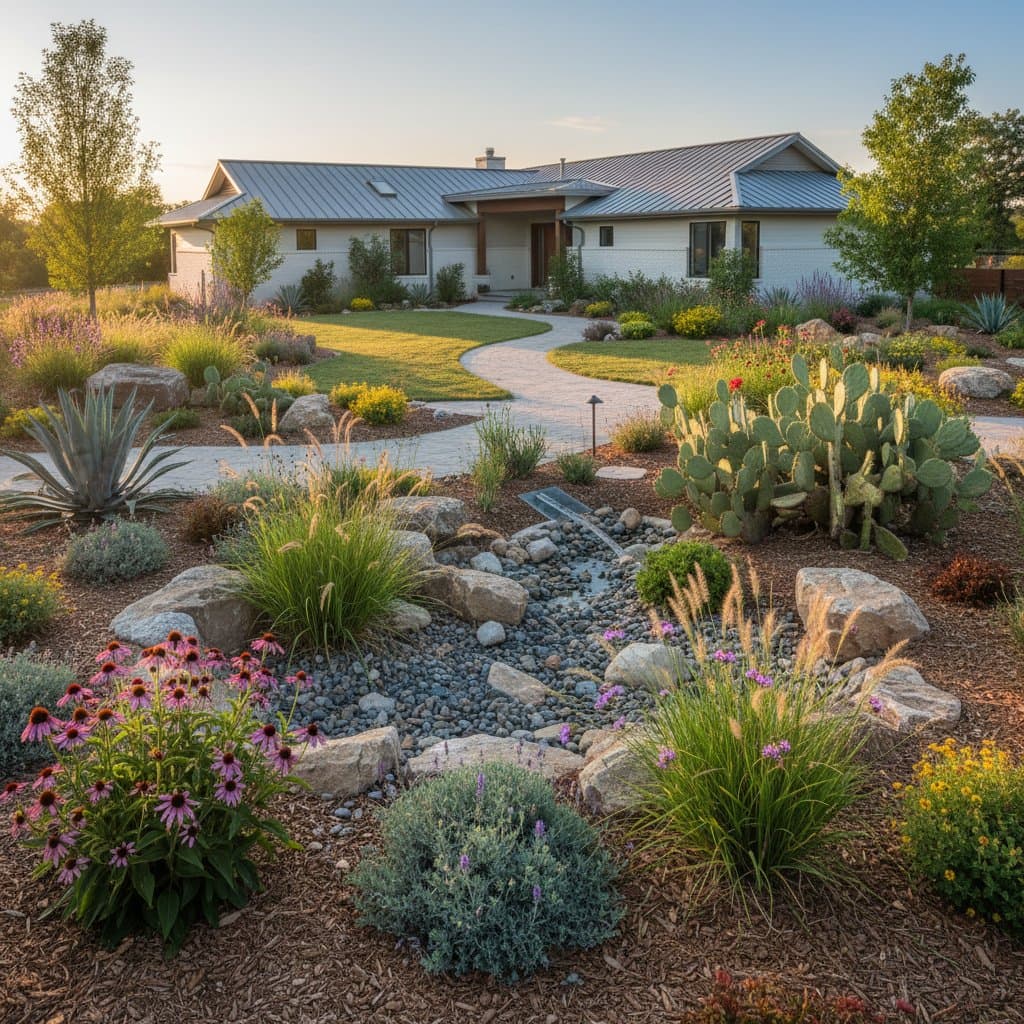
Designs account for how water travels across the site and the soil's capacity to hold it before excess runs off. Integrate xeriscaping techniques to minimize irrigation during dry spells. Pair these with rain gardens that soak up stormwater during heavy rains. Tailor every element to site-specific factors such as soil composition, average precipitation, and terrain contours.
Assessing Financial Impacts
Water mismanagement in landscapes often leads to overlooked expenses. Inadequate drainage contributes to foundation cracks or soil erosion, with repairs easily exceeding several thousand dollars. Excessive irrigation drives up utility costs by hundreds annually.
A strategic plan weighs upfront costs against future savings. For instance, a rain garden installation ranges from $1,500 to $4,000 based on scale and components. Such features mitigate flooding risks and may qualify for local stormwater fee reductions. Transitioning from traditional turf to native or drought-resistant species involves initial outlays for soil preparation and mulching, yet cuts water and fertilizer needs by at least 50 percent.
Homeowners gain clarity by calculating the total cost of ownership across five to ten years. Factor in setup fees, upkeep, resource consumption, and potential boosts to home appraisal values. Explore regional incentives like rebates for efficient installations to ease initial burdens.
Implementing a Resilient Yard Step by Step
-
Conduct a site survey: Map out slopes, depressions, and water accumulation spots following rainfall. Note areas prone to dryness where vegetation fails to thrive.
-
Test soil properties: Measure permeability and fertility levels. Amend clay-heavy soils with organic materials to enhance water uptake; enrich sandy types with compost for better retention.
-
Develop a water flow plan: Sketch pathways that channel runoff toward absorption zones. Incorporate swales or gentle ditches to direct water efficiently.
-
Select appropriate vegetation: Opt for local species that endure fluctuating moisture. Prioritize deep-rooted varieties that anchor soil and facilitate deeper water penetration.
-
Upgrade watering systems: Deploy drip irrigation to target root zones precisely. Incorporate soil moisture monitors and automated timers to optimize usage.
-
Establish upkeep protocols: Perform regular checks on drainage paths, downspouts, and plant vitality. Remove obstructions ahead of storms and apply mulch layers prior to dry seasons.
These steps foster a landscape that harmonizes with environmental shifts, reducing the need for constant intervention.
Recognizing Design Boundaries and Errors to Avoid
No landscape design eliminates all risks. Certain soils struggle with rapid water absorption during intense downpours, and extreme events can surpass planned capacities. Undersized rain gardens risk overflow, while plants with shallow roots falter in extended dry periods.
Frequent errors undermine effectiveness. Improper grading may funnel water toward building foundations. Impervious surfaces like extensive gravel prevent natural infiltration. Inadequate spacing causes plants to vie for scarce resources. Skipping routine care permits debris to clog systems and impair flow.
Counter these issues by securing detailed blueprints from professionals. These documents should outline slope angles, recommended flora, and ongoing care requirements.
Selecting Reliable Professionals
Engaging skilled landscapers or drainage experts demands diligent research. Confirm credentials including licenses and coverage, solicit client testimonials, and review portfolios of resilient projects. Expect a preliminary site visit to inform accurate estimates.
Beyond pricing, scrutinize proposal details. Review guarantees for vegetation survival, system functionality, and erosion control. Note coverage durations and any waivers for extraordinary weather impacts.
Use a comparison framework to evaluate options:
| Service Tier | Monthly Fee | Call-Out Charge | Repair Cap | Notable Restrictions |
|---|---|---|---|---|
| Standard | $50 to $75 | $100 | $500 | External flood sources |
| Advanced | $90 to $130 | $75 | $1,500 | Prior erosion damage |
This evaluation highlights residual risks and guides decisions on supplemental protections or enhancements.
Realizing Enduring Benefits
A thoughtfully designed yard extends safeguards beyond aesthetics. It upholds home foundations, curbs erosion, and lessens reliance on public water supplies. Long-term outcomes encompass diminished repair outlays, consistent property worth, and enriched local habitats.
Native plants bolster pollinator populations and demand minimal pesticides. Rain gardens purify stormwater prior to sewer entry, elevating community water standards. Drought-adapted turf sustains attractiveness amid restrictions. These advantages ripple outward, fostering broader ecological health.
Safeguarding Through Ongoing Care
Consistent attention proves vital for durability. Arrange quarterly reviews to detect early signs of wear like settling soil or standing water. Refresh mulch yearly to lock in hydration, and trim encroaching growth that obstructs pathways.
Maintain clear gutters and route downspouts to infiltration sites. Log all activities meticulously. Such records substantiate diligent management during claims processes.
Advancing Your Landscape's Adaptability
Investing in water balance equips yards for unpredictable climates. Prioritize soil vitality, strategic hydrology, and native integrations to counter moisture extremes. Homeowners achieve lasting protection for assets and surroundings through deliberate design and vigilant maintenance.