Planning Your 2026 Drought-Resistant Yard Budget
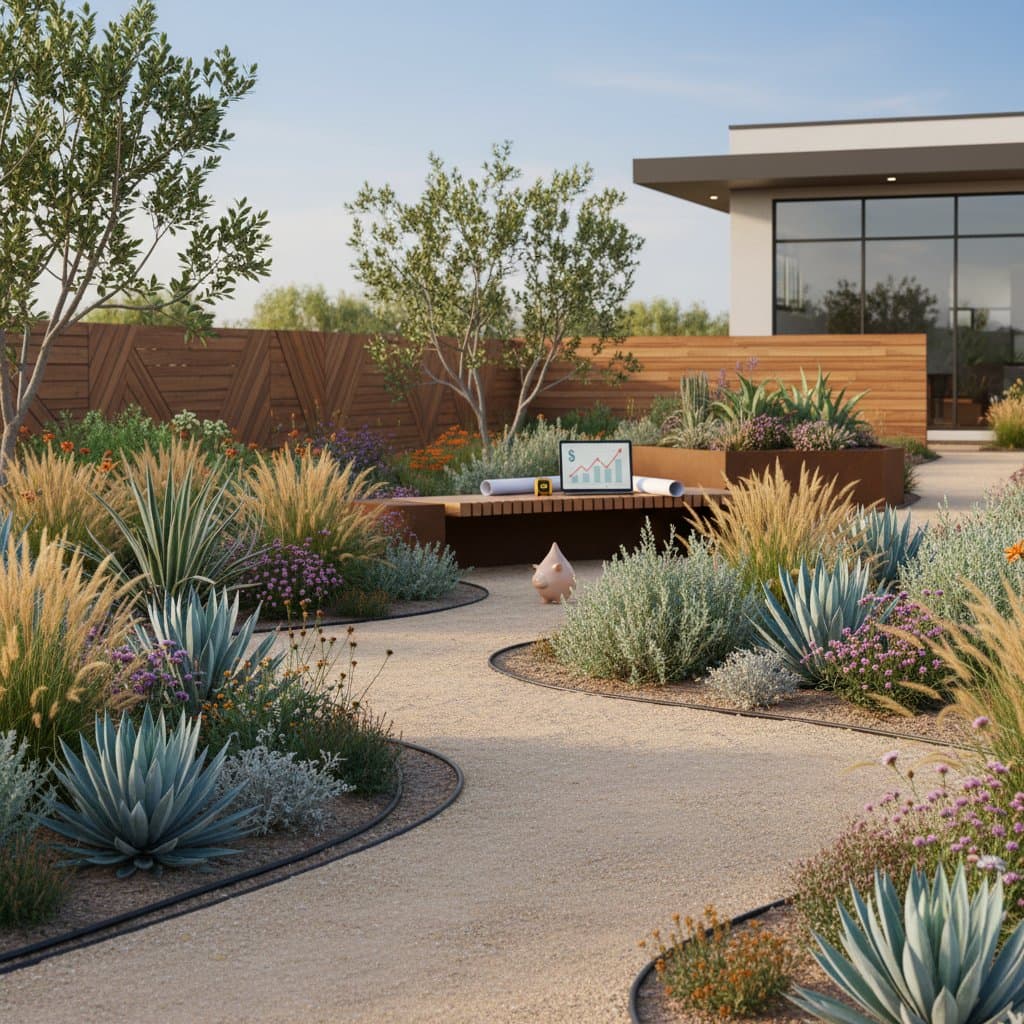
Transforming a yard into a drought-resistant landscape offers substantial benefits, including water conservation, lower maintenance demands, and increased property value. However, costs fluctuate based on location, yard size, and chosen features. Homeowners must grasp projected 2026 expenses, budgeting methods, and contract essentials to make informed decisions.
Projected costs for 2026 reflect rising material prices and labor rates, influenced by inflation and supply chain factors. Basic drought-resistant conversions for small yards may range from $5,000 to $10,000, while larger properties could exceed $25,000. Key elements include plant selection, irrigation systems, and soil preparation, each contributing to the total outlay.
Establishing a Realistic Budget Framework
Begin budgeting by assessing your yard's current state and goals. Measure the square footage and note existing features like lawns or hardscapes that require removal. Factor in regional water costs, as areas with high rates amplify savings from drought-resistant designs.
Allocate funds across major categories: design and planning (10-15 percent), materials and plants (40-50 percent), labor and installation (30-40 percent), and contingencies (10 percent). Use online calculators or consult local experts to estimate specifics. Track expenses with a spreadsheet that includes quotes, timelines, and payment schedules.
This structured approach supports transparency and provides homeowners with clear checkpoints for financial review.
Coverage Limitations and Exclusions
Landscaping quotes often omit certain elements, leading to unexpected charges. Contracts might exclude debris removal, hauling fees, or initial maintenance after installation. Homeowners should confirm coverage for these items:
- Soil testing and necessary amendments to improve drainage and nutrient levels
- Programming and calibration of irrigation controllers for optimal efficiency
- Replacement of plants that die off within the first year due to installation issues
- Replenishment of mulch to maintain soil moisture retention
- Fees for permits or inspections required in drought-prone or regulated zones
Overlooked exclusions can inflate costs by thousands. Request a detailed line-item estimate and verify warranty inclusions. Contractors typically offer plant guarantees of 60 to 90 days, but extended coverage often requires an additional maintenance agreement.
Financial Implications and Hidden Expenses
The return on drought-resistant investments hinges on local water rates, yard dimensions, and ongoing care routines. Many owners recoup expenses through diminished irrigation needs, with payback periods ranging from three to seven years. Conduct a cost-benefit analysis that weighs upfront costs against sustained savings.
Account for these hidden or indirect expenses:
- Elevated water usage during the establishment phase as plants root deeply
- Applications of soil conditioners and fertilizers to support early growth
- Repairs or tweaks to irrigation systems amid changing seasons
- Replacements for plants damaged by extreme heat or drought events
- Potential hikes in homeowners insurance for premium landscape additions
When estimating total ownership costs, project over five to ten years. Include annual mulch refresh, drip line replacements every three to five years, and possible upgrades to advanced smart controllers.
Comparing Service Options
Drought-resistant services fall into three categories: comprehensive landscape design firms, focused xeriscape specialists, and DIY or hybrid approaches where owners contribute labor. Each varies in pricing and homeowner involvement.
Full-service firms handle everything from concept to completion, charging premium rates for expertise. Specialists in water-wise designs offer targeted efficiency at mid-range costs. DIY options minimize expenses but demand time and skill, with hybrids blending professional input and self-work.
Consider maintenance plans from providers, which ensure long-term performance:
| Plan Level | Annual Cost | Setup Fee | Coverage Area | Key Exclusions |
|---|---|---|---|---|
| Basic | $1,200 to $1,800 | $900 | Up to 1,000 sq ft | No plant warranties, minimal design input |
| Standard | $2,400 to $4,200 | $1,200 | Up to 2,500 sq ft | Hardscape elements not included |
| Premium | $4,800 to $7,200 | $1,500 | Up to 4,000 sq ft | Full warranty only with ongoing contract |
These estimates draw from industry averages for 2026. Financing options like installments or partnerships add convenience but may include interest. Compare total costs to determine if they outperform lump-sum payments.
Understanding Contract Terms
Contracts frequently include provider-favorable terms that require scrutiny. Look out for ambiguous standards on performance or replacements. Ensure agreements detail:
- Anticipated survival rates for selected plants based on local climate data
- Duration of warranties for irrigation components, typically one to five years
- Payment timelines tied to project milestones, such as 30 percent upfront
- Procedures for resolving disputes, including mediation options
- Guarantees on design precision and plant adaptability to site conditions
A balanced contract safeguards interests and clarifies responsibilities for upkeep or losses from inadequate irrigation.
Risk Mitigation and Consumer Protection
Reduce risks by confirming contractor credentials before commitment. Licensed professionals with general liability and workers compensation insurance protect against accidents or damages. Obtain certificate copies and verify validity through state licensing boards.
Implement these steps to prevent cost overruns:
- Perform reference checks by contacting recent clients on timeliness, site cleanup, and plant vitality.
- Solicit at least three bids to spot unreasonable pricing or inconsistent scopes.
- Evaluate plant suppliers, favoring certified nurseries for robust, native varieties that lower future replacements.
- Scrutinize warranty details, noting coverage length and conditions that could nullify it.
- Document everything, from receipts and progress photos to irrigation performance logs, for potential claims.
Common issues stem from miscommunication or inadequate aftercare. Thorough records bolster positions in resolutions.
Long-Term Value and Maintenance Responsibilities
Even drought-resistant yards demand periodic care to sustain benefits. Inspect emitters for clogs, prune selectively by season, and test soil moisture levels quarterly. Skipping these invites failures that may invalidate warranties.
Annual maintenance runs $300 to $800, scaled to yard size, covering trims, mulch additions, and system calibrations. Budget for these to maximize water savings and aesthetic appeal over time.
Securing Lasting Benefits
A drought-resistant yard merges stewardship with fiscal prudence. Though upfront costs appear daunting, diminished water and labor expenses frequently offset them within years. Prioritize proposals emphasizing clear metrics and proven results over visual allure alone.
Systematic planning, precise budgeting, and vigilant oversight deliver financial and environmental gains. Through diligent evaluation, homeowners cultivate a resilient landscape that raises property appeal and stewards water resources effectively.