Fire-Resistant Materials: Enhancing Home Protection Affordably
Homeowners facing heightened wildfire threats increasingly adopt fire-resistant materials to safeguard their properties, secure insurance policies, and satisfy rigorous building regulations. These materials primarily function by delaying ignition, containing fire spread, and providing essential response time for emergency services. This guide examines effective material options, ideal applications, associated expenses, and guidance on selecting between self-directed projects, combined approaches, or professional services.
Fire-resistant upgrades prove particularly valuable in regions with expanding urban-wildland interfaces, where dry conditions and strong winds accelerate fire progression. By integrating these materials strategically, property owners not only mitigate immediate dangers but also contribute to broader community fire resilience efforts. The following sections outline key considerations to inform informed decisions.
Advantages, Drawbacks, and Ideal Applications
Advantages
- Significantly reduces the likelihood of ignition, thereby lowering insurance premiums by up to 20 percent in designated high-risk areas.
- Aligns with updated wildfire mitigation codes, such as those from the International Wildland-Urban Interface Code, facilitating smoother permitting processes.
- Prolongs the durability of exterior components, resisting degradation from heat, UV exposure, and minor ember contact.
- Enhances market appeal and property value, especially in zones prone to seasonal fire alerts, appealing to safety-conscious buyers.
Drawbacks
- Involves elevated initial investments, with material costs ranging from 15 to 50 percent above standard alternatives, plus potential labor fees.
- Certain options, like fiber-cement siding, carry added weight, complicating handling and requiring reinforced structural support in some cases.
- Restricts self-installation for complex elements such as roofing systems, where specialized tools and expertise prevent warranty voids or code violations.
Ideal Applications
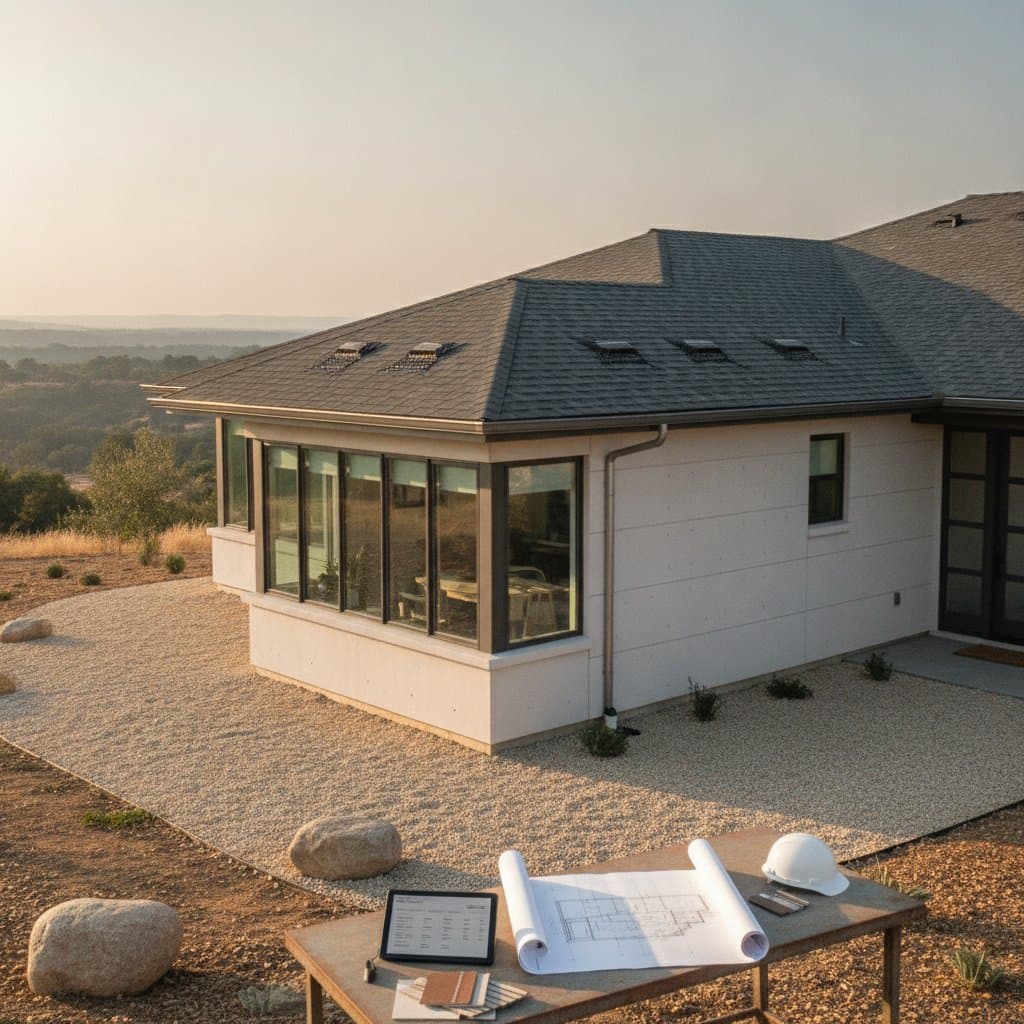
- Properties situated on elevated terrain or adjacent to unmanaged natural landscapes, where embers travel farther.
- Locations experiencing recurrent red flag warnings, indicating extreme fire weather conditions.
- Reconstruction projects following fire incidents or comprehensive renovations, allowing integration during downtime.
- New builds in expanding suburban areas bordering forests or grasslands, prioritizing long-term hazard reduction.
Selecting the right fit depends on site-specific factors, including local climate patterns and proximity to fire history zones. Consulting regional fire department resources aids in tailoring upgrades effectively.
Detailed Upgrade Process
Personal protective equipment remains essential throughout: sturdy gloves, safety goggles, N95-rated respirators, and hearing protection to guard against dust, debris, and noise.
-
Conduct Thorough Inspection and Planning. Begin by surveying the property for vulnerable elements, such as untreated wood shingles, unprotected softwood decking, or vent screens exceeding 1/8-inch mesh size. Document findings with photographs and consult local codes to prioritize interventions.
-
Establish Defensible Space. Maintain a 30-foot clearance zone around the structure, removing dead plants, pruning overhanging branches, and ensuring shrubs stand at least 10 feet apart to interrupt fire paths.
-
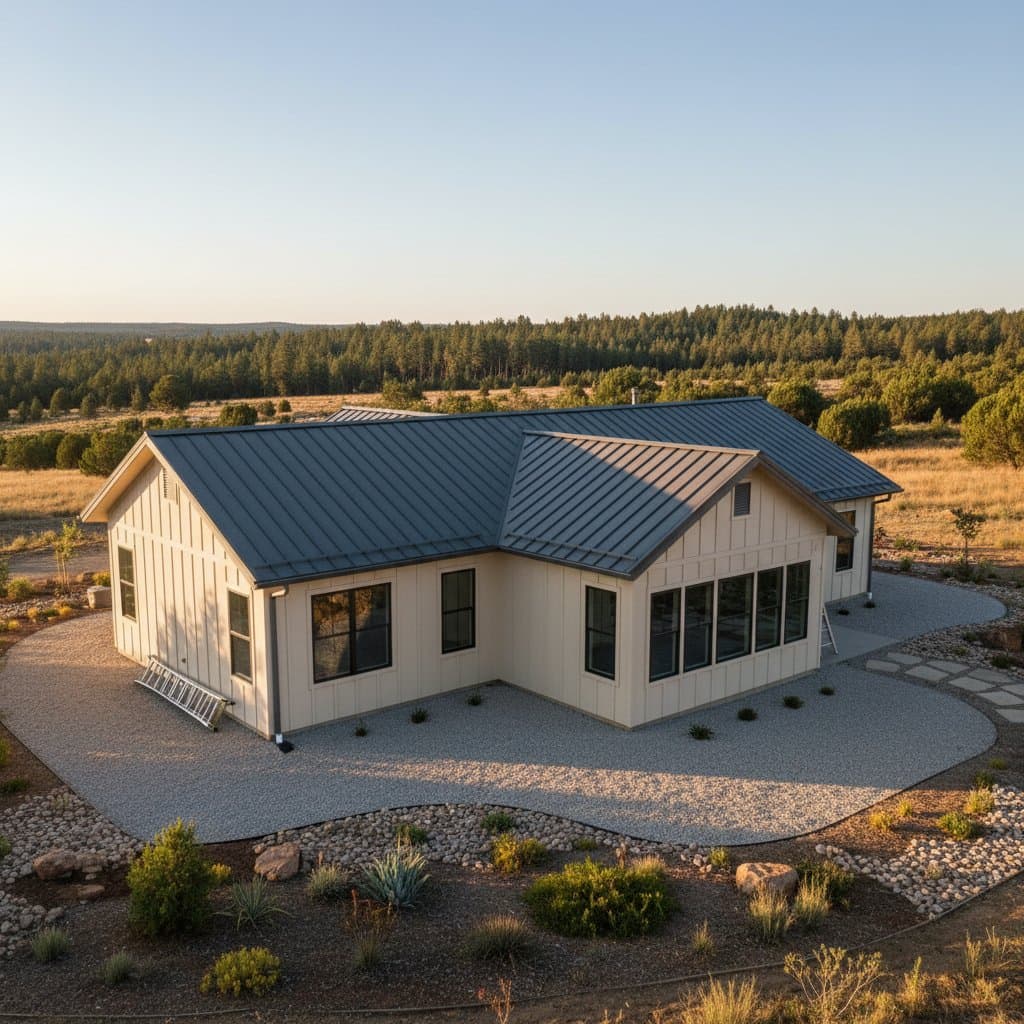
Substitute High-Risk Components. Prioritize the roof with Class A-rated asphalt composites or metal panels, then address siding using fiber-cement or stucco finishes, followed by deck resurfacing with composite boards.
-
Apply Seals and Flashing. Employ fire-rated caulks and galvanized metal flashing at every junction, penetration, and transition to block ember entry and prevent heat bridging.
-
Fit Ember-Resistant Vents. Opt for vents featuring 1/8-inch or finer stainless steel mesh, ensuring coverage over attic, soffit, and foundation openings without obstructing airflow.
-
Modernize Windows and Doors. Swap out single-pane glass for dual-pane units with tempered or fire-rated glazing, and install metal or fiberglass frames resistant to warping under heat.
-
Perform Final Verification. After completion, scan for any overlooked fissures, unsealed edges, or residual combustible remnants, engaging a third-party inspector if required for certification.
Individuals comfortable with basic home maintenance can manage vent retrofits and deck overlays independently. However, roofing and extensive siding projects typically demand certified professionals to uphold structural integrity and regulatory compliance.
Pitfalls to Sidestep During Implementation
-
Incompatible Material Pairings. Avoid combining unrated decorative trim with fire-rated siding panels, as this compromises the continuous protective envelope.
-
Oversized Vent Mesh. Screens larger than 1/8 inch permit ember intrusion, undermining ventilation while inviting rapid interior fire development.
-
Neglected Flashing Details. Omitting metal barriers where decks meet walls allows hidden fire travel and accelerates structural decay from trapped moisture.
-
Adjacent Untreated Structures. Direct connections from the home to wooden fences or sheds create conduit pathways for flames; buffer with non-combustible materials.
-
Overlooked Attic Vulnerabilities. Failing to check for insulation gaps or flammable storage near vents risks concealed fire starts that evade early detection.
Addressing these issues proactively preserves investment efficacy and avoids costly rework. Regular post-installation reviews, ideally annually, sustain performance over time.
Guidelines for Professional Versus Self-Directed Approaches
Evaluate readiness using the DIY Assessment Framework:
-
Competency Alignment. Confirm ability to dismantle and reassemble minor exterior fixtures without damaging underlying systems.
-
Hazard Evaluation. Limit efforts to tasks below 10 feet elevation, excluding any electrical wiring or load-bearing modifications.
-
Resource Access. Verify possession or rental availability of essentials like power saws, stable ladders, air compressors, and full protective gear.
Engage professionals when:
- Projects encompass roof replacements, elevated siding applications, or framing adjustments.
- Compliance with inspection protocols proves necessary for insurance renewals or rebates.
- Terrain challenges, such as steep inclines or limited access, heighten operational risks.
Improper execution in critical areas like sealing transitions or vent integrations may invite water intrusion, erode fire resistance, and trigger insurance disputes. Partnering with general contractors experienced in fire-hardening or those certified by organizations like the Firewise USA program ensures reliable outcomes for intricate undertakings.
Preparation and Execution Checklist
| Category | Details |
|---|---|
| Tools Required | Circular saw, cordless drill, metal snips, caulking gun, extension ladder |
| Skills Required | Fundamental woodworking, secure ladder positioning, precise sealant use |
| Safety Gear | Work gloves, protective eyewear, N95 respirator, ear defenders |
| Permits Needed | Required for roof overhauls, siding exchanges, or substantial deck work |
| Preparation Steps | Eliminate surrounding brush, dismantle outdated flammables, examine substructures |
| Environmental Factors | Schedule installations during calm, moderate-temperature conditions |
Securing Long-Term Wildfire Resilience
Implementing fire-resistant materials represents a proactive investment in safety and financial stability. By methodically addressing vulnerabilities and leveraging expert input where needed, homeowners fortify their properties against evolving threats. This approach not only complies with standards but also fosters peace of mind, enabling focus on enjoying spaces rather than fearing losses. Start with a professional assessment to customize a plan suited to your unique circumstances, ensuring enduring protection.