How Rental Home Warranties Help Landlords Minimize Repair Expenses
Rental home warranties shield landlords from unforeseen expenses related to repairs on essential systems and appliances. These plans function as service agreements that cover parts and labor for failures due to standard usage, thereby lowering the economic uncertainties associated with rental property ownership.
Summary Box
Definition: A service agreement that addresses repairs or replacements for critical home systems and appliances in rental units.
Key Benefits: Controls personal repair expenditures, shortens operational interruptions, and safeguards revenue from rentals.
Standard Pricing: Monthly fees range from 40 to 70 dollars, with service charges of 60 to 125 dollars per service call.
Professional Involvement: Engage certified technicians provided by the warranty provider for all services.
Service Timeline: Claims typically receive scheduling within two to three business days.
Upkeep Schedule: Perform yearly HVAC inspections and appliance maintenance to sustain plan validity.
Understanding Rental Home Warranties
A rental home warranty establishes an agreement between the landlord and a specialized provider. Coverage extends to vital systems including heating, ventilation, air conditioning, plumbing, and electrical setups, as well as common appliances such as ovens, refrigerators, and water heaters. Upon a breakdown, the landlord initiates a service request and covers solely the predetermined service fee.
Landlords benefit from this structure because it eliminates the guesswork in budgeting for maintenance. Providers often include options for comprehensive plans that adapt to various property types, from single-family homes to multi-unit buildings.
The Operational Process
Landlords follow a straightforward sequence to access warranty services:
-
Submit a service request through the provider's online portal or telephone line.
-
Receive assignment of a nearby certified technician.
-
Allow the technician to assess the issue and submit findings for provider review.
-
Benefit from provider-funded parts and labor costs exceeding the service fee.
This methodical approach ensures consistent repair expenses and removes the burden of locating reliable contractors during urgent situations. Providers maintain networks of vetted professionals, which accelerates response times and upholds quality standards.
Core Advantages for Landlords
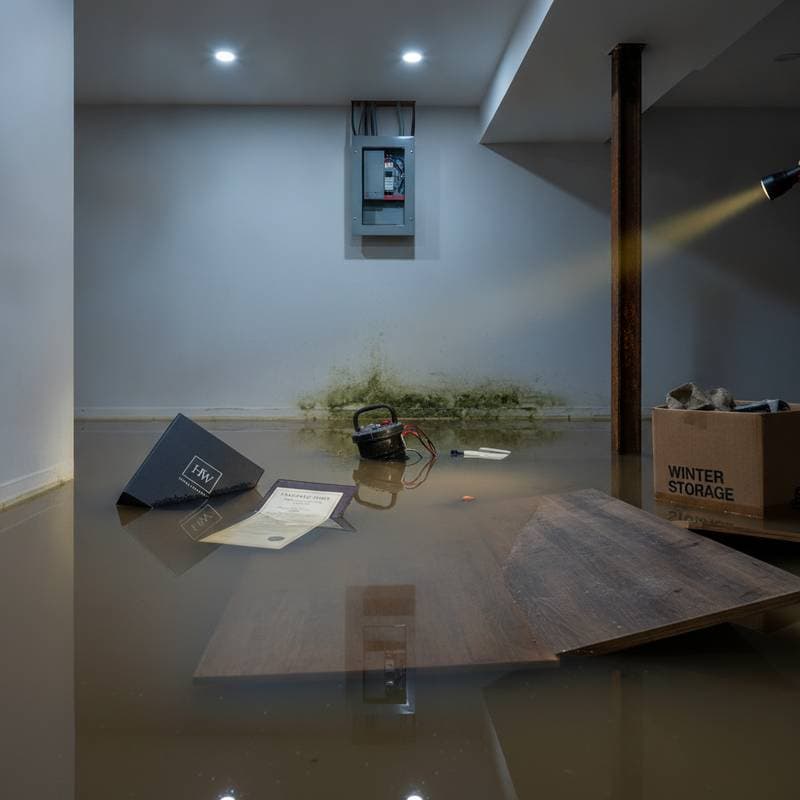
Breakdowns in rental properties occur regularly, and a major issue like a furnace malfunction or plumbing leak can incur costs ranging from several hundred to thousands of dollars. Warranties distribute these potential expenses across monthly payments, stabilizing financial planning. Moreover, expedited repairs via approved technicians enhance tenant experiences, reducing vacancy risks and supporting steady income streams.
For property managers overseeing portfolios, these plans offer centralized claim handling, which streamlines operations. Tenants appreciate the prompt resolutions, leading to higher retention rates and positive reviews.
Pricing Structure and Considerations
Warranty costs vary based on property size, coverage scope, and location. The following table outlines typical elements:
| Line Item | Typical Range | Notes and Variables |
|---|---|---|
| Monthly Premium | 40 to 70 dollars | Increases with property square footage or additional protections |
| Service Fee per Visit | 60 to 125 dollars | Remitted to the technician at the time of service |
| Optional Add-ons | 5 to 15 dollars monthly | Covers features like swimming pools, spare refrigerators, or septic systems |
Properties in regions with elevated labor costs or those featuring specialized equipment may see higher premiums. Landlords can compare providers to select plans that align with specific needs, often securing discounts for multi-property coverage.
Handling Repairs: DIY Limitations and Professional Standards
While minor tasks might seem manageable, warranty terms mandate professional intervention for covered items. The table below highlights why:
| Skill Level | Safety Risk | Tools Required | Permit or Code Compliance | Time Investment | Effect on Warranty |
|---|---|---|---|---|---|
| Basic | Low | None | Handled by contract | 1 to 3 days for dispatch | Preserves full coverage |
Certified technicians ensure repairs meet safety protocols, avoiding voided claims or liability issues. Landlords avoid personal involvement in complex work, focusing instead on property oversight.
Safety Protocols and Regulatory Compliance
Interventions involving gas lines, electrical systems, or HVAC refrigerants demand adherence to local building codes. Warranty-assigned technicians possess necessary certifications and insurance, fulfilling typical municipal standards. Landlords maintain documentation of routine upkeep to support claim approvals and demonstrate due diligence.
In multi-unit settings, compliance prevents broader disruptions. Providers often assist with code-related queries, adding an extra layer of guidance.
Essential Maintenance Practices
Warranty agreements stipulate ongoing care to remain active. Schedule annual HVAC servicing, periodic water heater flushing, and regular appliance cleaning to avert coverage lapses. Proper maintenance not only qualifies claims but also extends the operational life of systems by several years.
Landlords can integrate these tasks into annual property checklists, coordinating with tenants for access. Tracking records digitally simplifies audits during renewals.
Adapting to Regional Conditions
Environmental factors influence coverage priorities:
-
In colder climates, emphasize furnace reliability and water heater efficiency to combat freezing risks.
-
In hot, humid areas, secure air conditioning units and dehumidification systems against heavy usage.
-
In dry regions, protect plumbing integrity and irrigation components from erosion.
Local regulations frequently require licensed professionals for electrical or gas modifications, a detail warranty providers manage seamlessly.
Frequently Asked Questions
Do these warranties address damage caused by tenants? Coverage applies solely to deterioration from ordinary use, excluding intentional or negligent harm.
Is selection of a personal contractor permitted? Most plans designate their network, though some permit alternatives with prior approval.
What about pre-existing conditions? Inclusion depends on a pre-enrollment inspection confirming operational status.
Does the plan transfer upon property sale? Coverage continues for the buyer upon assumption of premium payments.
How are multiple repairs handled? Each incident incurs a separate service fee.
Are cancellations flexible? Providers generally offer prorated refunds for early terminations.
Key Terminology
Service Fee: The standard payment required for each repair dispatch.
System Coverage: Safeguards for integrated components like HVAC, plumbing, and electrical infrastructures.
Appliance Coverage: Support for repairs or replacements of primary household devices.
Wear and Tear: Gradual degradation resulting from routine operations.
Claim: Formal application for warranty-assisted repair or replacement.
Exclusion: Specified items or scenarios outside the agreement's scope.
Add-on: Supplementary protection for non-standard features.
Licensed Technician: Provider-vetted professional meeting industry qualifications.
Maintenance Record: Documented evidence of scheduled servicing essential for claim validation.
Premium: The recurring fee that sustains the warranty agreement.
Safeguarding Rental Operations
Rental home warranties foster reliable property management by curbing unexpected outlays and ensuring tenant approvals. They align maintenance with regulatory demands, preserving asset value over time. Landlords with diverse or mature portfolios find these plans indispensable for mitigating disruptions and optimizing returns.