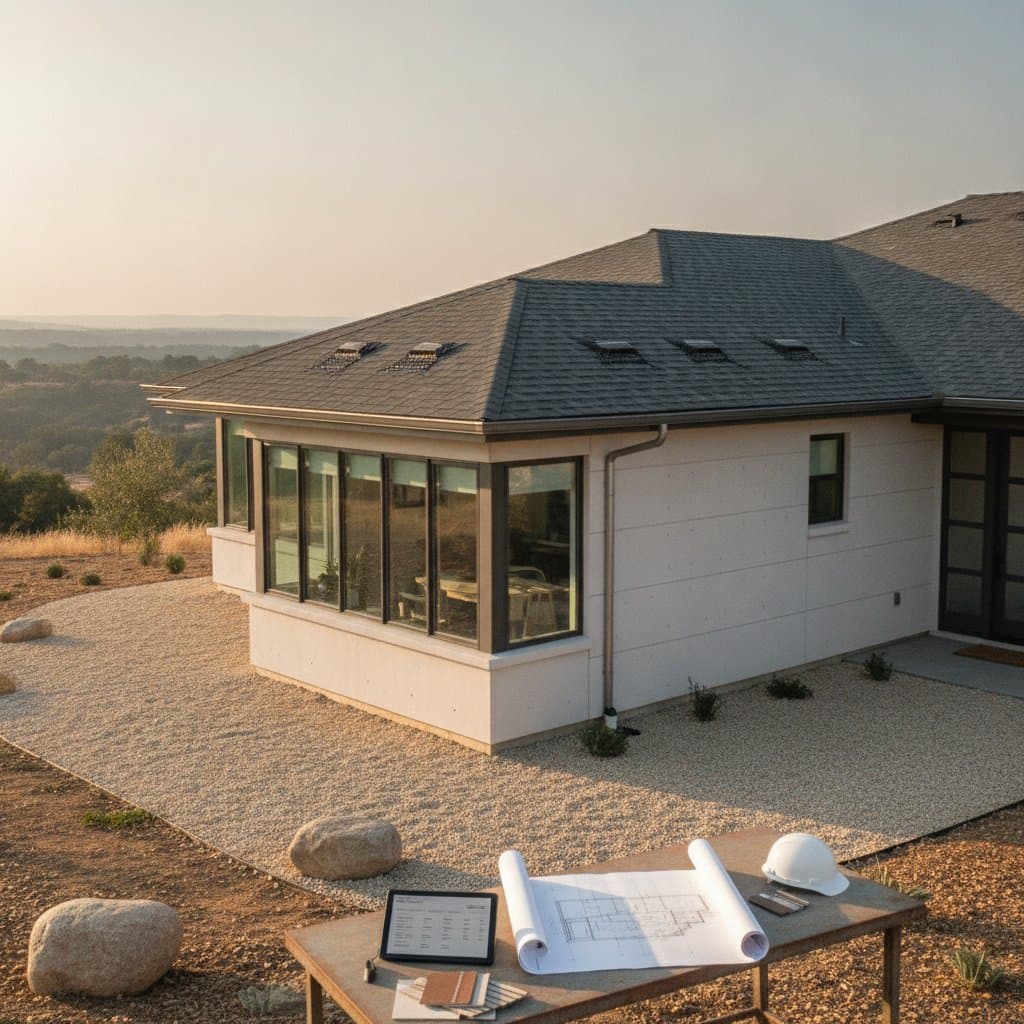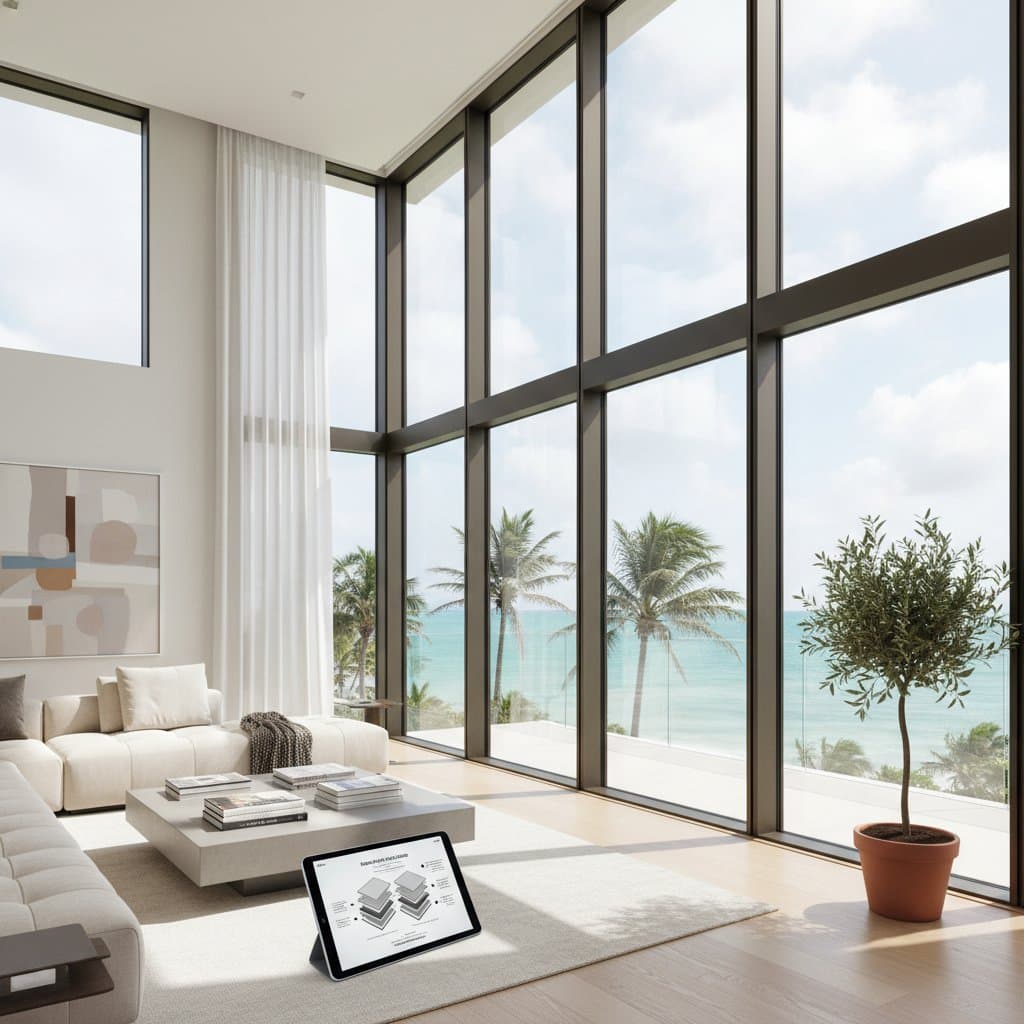
Impact Windows: Your Shield Against Fierce Storms
Summary Box
What it is: Impact windows are reinforced glass systems designed to resist high winds, flying debris, and pressure changes during severe storms.
Why it matters: They keep your home sealed, protect against injury, and can lower insurance and energy costs.
Typical cost and what changes it: $60 to $100 per square foot installed, depending on size, frame type, and design pressure rating.
When to hire a pro: Always. Installation requires structural anchoring and verified product ratings.
How long it takes: One to three days per home once windows arrive.
Maintenance interval: Inspect seals and hardware twice a year. Clean glass and lubricate locks as needed.
What It Is
An impact window consists of a double or triple-pane glass unit laminated with a clear interlayer. This interlayer keeps the glass bonded even when it cracks. The frame and anchoring system receive reinforcement to handle both pressure and impact. These windows undergo rating and testing under strict standards that simulate hurricane conditions.
Anatomy or Components
Impact windows integrate several parts that collaborate to safeguard the structure.
- Laminated glass: Two glass sheets bonded to a plastic interlayer that holds shards in place if broken.
- Spacer and seal: Maintain airtight spacing between panes and keep moisture out.
- Reinforced frame: Made from aluminum, vinyl, or fiberglass with deep anchor channels.
- Mounting anchors: Secure the frame directly into the structural opening.
- Weatherstripping: Creates a tight seal to block wind and water.
- Locking hardware: Multipoint locks help resist pressure and forced entry.
Each component must meet the window's design pressure rating, which measures how much wind load it can safely resist.
Signs You Need Service
Homeowners often delay consideration of window protection until a storm warning arises. Identify these indicators that signal the need for an upgrade:
- Drafts or rattling panes during strong winds.
- Water intrusion around the frame or sill.
- Condensation or fog between panes.
- Corroded hardware or cracked seals.
- Single-pane windows in storm-prone regions.
If your home relies on plywood or metal shutters, impact windows offer a safer and more convenient alternative.
Step-by-Step or Process
Replacing standard windows with impact-rated units involves a straightforward yet technical process.
- Inspection and measurement: A licensed contractor measures each opening and checks wall structure and anchoring surfaces.
- Product selection: Choose frame material, glass tint, and design pressure rating that meet local code.
- Ordering and fabrication: Windows are built to size, which can take several weeks.
- Removal of old windows: Existing frames and trim are removed carefully to prevent structural damage.
- Installation: New frames are anchored into the wall framing, sealed, and shimmed for alignment.
- Glazing and sealing: The glass unit is set, perimeter sealed with silicone, and hardware installed.
- Inspection and cleanup: The contractor confirms operation, cleans the area, and disposes of old materials.
A typical single-story home can be completed in two to three days once materials are on-site.
Costs and Cost Factors
Impact windows cost more than standard windows but eliminate the need for separate storm shutters. The national range spans from $60 to $100 per square foot installed, with a median around $80.
| Line Item | Typical Range | Notes and Variables |
|---|---|---|
| Window unit (per sq. ft.) | $40 to $70 | Depends on frame type, glass thickness, and design rating |
| Labor and anchoring | $15 to $25 | Varies with wall material and access |
| Permits and inspections | $100 to $500 per home | Depends on local code |
| Disposal of old windows | $50 to $150 | May include landfill fees |
| Optional tint or low-e coating | $5 to $10 per sq. ft. | Helps with energy efficiency |
Low scenario: Small single-story house with vinyl frames and standard clear glass.
High scenario: Multi-story home with custom aluminum frames, high design pressure, and low-e glazing.
DIY vs Pro
Impact window installation involves structural anchoring and code compliance that most homeowners should avoid attempting independently.
| Factor | DIY | Pro |
|---|---|---|
| Skill level | Advanced carpentry and glazing | Licensed installer |
| Safety risk | High, glass and ladder hazards | Managed with proper equipment |
| Tools required | Specialty anchors, torque driver, sealant gun | Provided by contractor |
| Permit or code | Required | Contractor handles |
| Time required | 1 to 2 days per window | 1 to 2 hours per window |
| Warranty impact | Usually voided | Maintained under manufacturer terms |
Hiring a professional ensures the installation passes inspection and preserves product warranty.
Safety and Code
Impact windows must comply with local building codes that specify wind speed zones and testing standards. Verify that the product holds current approval for your region. Permits are required for most replacements because the window opening forms part of the structural envelope.
Safety notes:
- Wear gloves and eye protection when handling glass.
- Use stable ladders and secure work areas to prevent falls.
- Never remove structural framing without verifying load paths.
- Dispose of broken glass properly in sealed containers.
Maintenance and Lifespan
Impact windows last 20 to 30 years when maintained properly. The laminated glass itself rarely fails, but seals, caulk, and hardware can wear out.
Routine care includes:
- Cleaning glass with mild detergent and soft cloths.
- Checking weatherstripping and seals twice a year.
- Lubricating locks and hinges annually.
- Inspecting caulk joints for cracks or separation.
- Replacing faded or brittle gaskets promptly.
Keeping the seals tight prevents moisture intrusion that can fog glass and reduce performance.
Regional Factors
Climate and local codes determine which impact window type suits best.
Climate considerations:
- Hot-humid zones: Use vinyl or fiberglass frames with low-e glass to reduce heat gain.
- Cold zones: Choose insulated laminated glass with argon gas fill for higher thermal resistance.
- Arid zones: Aluminum frames may perform well if properly thermally broken.
- Marine or coastal zones: Hardware should be stainless steel to resist corrosion.
- High wind zones: Select windows with higher design pressure ratings and deeper anchors.
Code or permit notes:
Coastal counties often require product approval numbers and inspection of anchoring systems. Inland regions may allow lower ratings but still require permits for replacement windows.
Material suitability:
Vinyl offers cost savings and good energy efficiency. Aluminum provides strength and thin profiles. Fiberglass resists expansion and fading in extreme sunlight.
Timing by season:
Schedule installation outside of peak storm months to avoid delays. Lead times can be longer during storm season due to high demand.
FAQs
Do impact windows completely prevent breakage?
No. The glass can crack, but the interlayer prevents it from shattering or flying apart.
Can impact windows lower insurance premiums?
Yes. Many insurers offer discounts for verified impact-rated openings.
Will they make my home quieter?
Yes. The laminated glass dampens outside noise.
Do I still need shutters?
No. If every opening is protected with rated impact glass, shutters are optional.
Can I replace one window at a time?
Yes, but replacing all main openings ensures consistent protection and appearance.
Glossary
Design Pressure (DP): The measured wind load a window can safely resist.
Laminated Glass: Two glass panes bonded with a plastic interlayer to hold fragments in place.
Low-E Coating: A thin metallic layer that reduces heat transfer through glass.
Argon Gas Fill: Inert gas between panes that increases insulation value.
Weatherstripping: Material that seals gaps around sashes and frames to block air and water.
Thermally Broken Frame: Frame with an insulating barrier that limits heat transfer.
Structural Opening: The framed section of wall where a window is installed.
Impact Rating: Certification showing the window passed pressure and debris tests.
Sealant Joint: The bead of caulk that seals the window perimeter to the wall.
Interlayer: Clear plastic sheet between glass panes that holds them together on impact.
Design Wind Zone: Geographic area defined by expected wind speeds and building code.
Making It Happen
Upgrading to impact windows strengthens your home's envelope, reduces noise, and improves energy efficiency. Start by obtaining a professional assessment of your current openings, then compare at least two licensed contractors with verified product lines. Check that each window meets your region's design pressure requirements and carries a valid certification label. Once installed, maintain seals and hardware regularly so the protection you invest in remains reliable. A well-chosen and properly installed impact window system serves as one of the most effective defenses against fierce storms and everyday wear.