How Impact Windows Reduce Insurance Costs and Enhance Home Protection
Homeowners in storm-prone areas seek reliable ways to balance safety with financial considerations. Impact windows provide durable protection against severe weather while delivering notable savings on insurance and energy bills. This guide explores their design, installation, costs, and benefits to help you decide if they suit your needs.
Key Features of Impact Windows
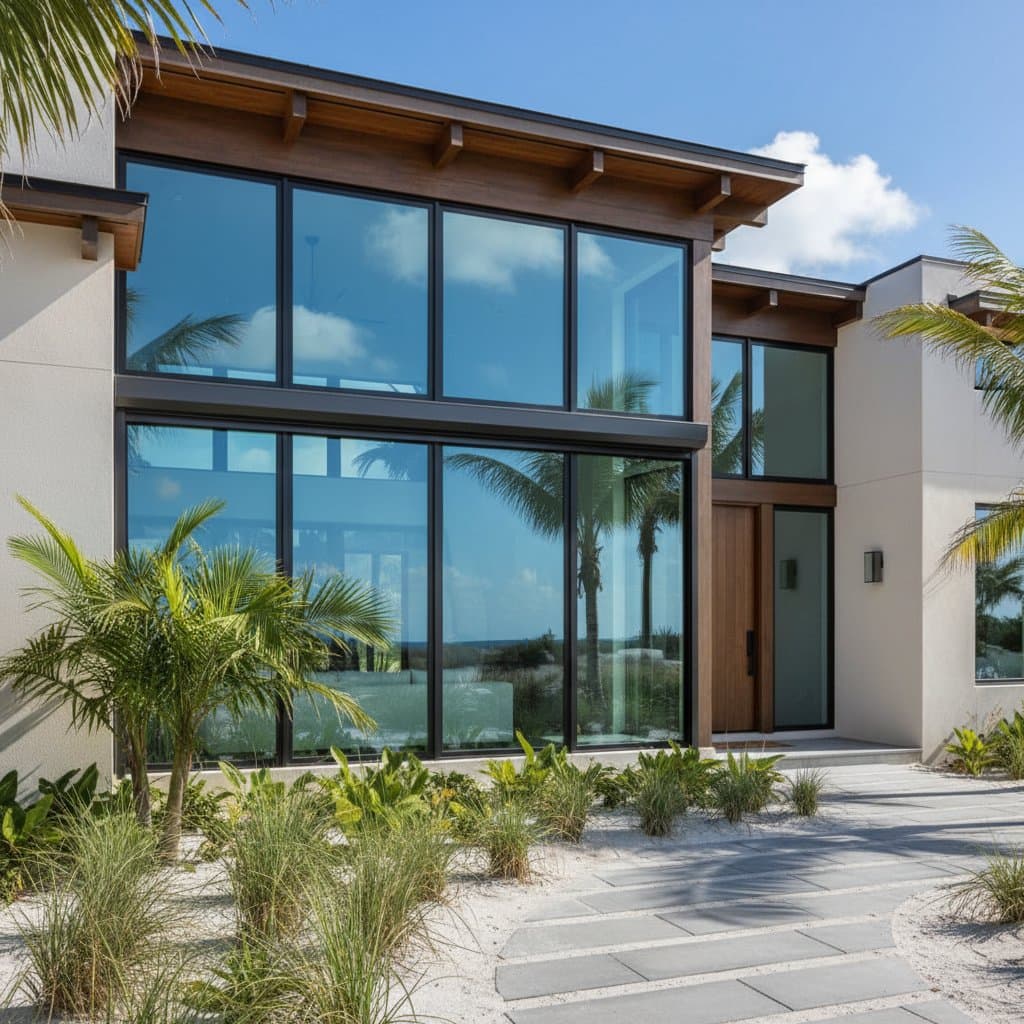
Impact windows consist of laminated glass layers bonded with a tough interlayer, paired with sturdy frames made from aluminum or vinyl. This construction prevents the glass from shattering upon impact from flying debris or high winds. Even if cracks form, the window holds together, minimizing risks of water damage and structural compromise during hurricanes or tornadoes.
Installation integrates these windows into your home's framework through secure anchoring and weatherproof sealing. Beyond debris resistance, they manage pressure differentials that could otherwise cause roof damage or wall failure. Verify that your chosen product meets standards like those from the Miami-Dade County protocol for high-velocity hurricane zones.
Analyzing Installation Costs
Budget for impact windows involves multiple elements to avoid surprises. Start with material costs, which depend on window size, frame type, and impact rating. Expect $500 to $1,500 per window for standard sizes, with full replacements for a typical home costing $10,000 to $25,000.
Labor adds 20 to 40 percent of the total, influenced by home age and access challenges. In older structures, reinforcing sills or jambs may increase expenses by 10 to 20 percent. Factor in permit fees, often $100 to $500, and inspections to ensure code compliance.
Consider add-ons like low-emissivity coatings for UV protection or argon-filled panes for insulation. These raise upfront costs but yield 10 to 30 percent savings on heating and cooling over five years. Use online calculators from reputable manufacturers to project your total outlay.
Insurance Discounts and Coverage Details
Many insurers reduce premiums by 15 to 45 percent for homes with approved impact windows, especially in coastal regions. Discounts apply to windstorm coverage and require proof of installation by certified professionals using tested products. Contact your provider to confirm eligible models and submit certificates from bodies like the International Window Film Association.
Savings hinge on your policy's replacement cost value and location risk. For example, in Florida, verified installations can lower annual premiums by $500 or more. Review your deductible; some policies waive it for storm-related claims on protected features. Renewals may need updated documentation to maintain benefits.
Step-by-Step Installation Guide
Professional installation follows a structured sequence to guarantee performance.
-
Site Evaluation: Schedule a contractor visit to measure openings and assess frame integrity. Discuss your home's wind zone rating to select appropriate glass.
-
Planning and Permits: Receive a detailed proposal outlining materials and timeline. Secure local permits, which may take one to two weeks.
-
Preparation: Remove existing windows, repair any rot, and reinforce openings if needed. This phase ensures a secure fit.
-
Fitting and Sealing: Install new frames with stainless steel screws, apply silicone caulk, and test for airtightness.
-
Final Checks: Conduct pressure and water tests, followed by a code inspection. Retain all records for warranties and insurance.
Delays often arise from permit issues, so plan two to four weeks for the full process.
Potential Limitations and Exclusions
While robust, impact windows have boundaries. Warranties void if installed by unqualified workers or without proper permits. Pre-installation issues like warped frames may not qualify for coverage.
Regular maintenance is essential; neglected seals can lead to leaks excluded from claims. Warranties typically last 10 to 20 years but may restrict coverage to storm damage only, excluding impacts from accidents or earthquakes. Check for regional limits, such as reduced protection in extreme salt environments.
Long-Term Financial Benefits
View impact windows as a strategic investment with returns over 5 to 10 years. Energy-efficient designs cut utility costs by blocking heat gain, potentially saving $200 annually in warm climates.
Maintenance involves annual cleaning and seal inspections, costing under $100 yearly. Insurance savings compound, and at resale, upgraded homes fetch 5 to 10 percent higher prices in vulnerable markets. Track all expenses and savings in a spreadsheet to monitor ROI.
Alternatives to Impact Windows
Storm shutters offer protection at lower initial costs but demand more effort.
| Option | Upfront Cost | Protection Type | Drawbacks |
|---|---|---|---|
| Aluminum Panels | $5,000–$10,000 | Removable, manual | Storage needs, deployment time |
| Accordion Shutters | $8,000–$15,000 | Permanent, foldable | Obstructs views, mechanical issues |
| Impact Windows | $10,000–$25,000 | Fixed, seamless | Higher cost, permanent change |
Shutters suit temporary needs, but impact windows excel for effortless, all-season defense.
Financing Options
Spread costs with targeted loans. Home equity lines provide rates around 7 percent but risk your property. Personal loans approve quickly at 10 to 15 percent interest.
Explore government programs like PACE financing for energy upgrades, covering up to 100 percent with property tax repayments. Contractor plans often include 0 percent introductory rates, but scrutinize fees. Calculate break-even by dividing total cost by yearly savings; many recover within 7 years.
Safeguards for a Successful Project
Protect your investment with due diligence.
-
Confirm contractor licensing through state boards and verify insurance.
-
Demand product specs showing compliance with ASTM impact standards.
-
Review contracts for material guarantees and change order policies.
-
Ensure warranties transfer to new owners.
-
Photograph progress and archive documents.
These steps minimize risks from subpar work.
Decoding Warranty Terms
Warranties promise glass integrity and frame durability, but details vary. Labor coverage might last only one year, while materials endure longer. Claims process involves manufacturer approval and may require professional repair.
Define terms like normal wear versus abuse. Non-storm breakage often falls outside scope. Request a plain-language summary from providers to clarify obligations.
Verifying Installation Quality
Post-install tests confirm efficacy. Spray tests simulate rain to detect leaks, and blower door assessments check pressure resistance. Hire third-party inspectors for $300 to $500 to validate work.
Prioritize installers certified by the National Fenestration Rating Council. Compare bids not just on price but on references and guarantees; quality trumps savings.
Ongoing Maintenance for Peak Performance
Sustain protection through routine care. Wipe glass with mild soap quarterly, lubricate hardware biannually, and reseal as needed every three years.
Spot early issues like fogging between panes, which signals seal failure. Log all activities to support claims. This diligence extends lifespan to 20 years or more.
Securing Lasting Value from Your Upgrade
Impact windows fortify your home against weather threats while trimming ongoing expenses. Through informed planning and upkeep, they deliver peace of mind and financial gains. Invest thoughtfully to elevate your property's resilience and appeal.