Greywater Systems Worth It? 2026 Home Cost Breakdown
Quick Take
- Greywater systems reuse water from sinks, showers, and laundry for irrigation or toilet flushing.
- Expect to spend between 2000 dollars and 8000 dollars for a typical system, depending on design and permit needs.
- Savings come from lower water bills and reduced strain on septic or sewer systems.
- DIY can handle small setups, but full plumbing tie-ins require a licensed pro.
What It Is
A greywater system collects lightly used water from bathroom sinks, tubs, and laundry drains. It filters the water and redirects it for reuse. The water is not safe to drink, but it can safely irrigate landscapes or flush toilets when treated and distributed properly. The goal is to cut freshwater use and reduce wastewater load without adding major risk.
Pros and Cons
Pros
- Reduces outdoor water use by 25 to 50 percent.
- Cuts utility bills in areas with high water rates.
- Extends life of septic systems by diverting flow.
- Helps meet local water conservation codes.
- Increases property value if installed to code.
Cons
- Requires permits and inspections in most areas.
- Initial cost can be high for full home systems.
- Maintenance needed to prevent clogs or odors.
- Some soaps and detergents can harm soil or plants.
- Plumbing layout can limit retrofit options.
When It Works or Fails
Works Best When
- You live in a region with water restrictions or high metered rates.
- You already plan plumbing upgrades or new construction.
- You have landscape irrigation zones that match system output.
- Local code supports greywater reuse with clear permit paths.
Fails When
- The home lacks accessible drain lines.
- Soaps used are high in salt or boron.
- The yard is small or fully paved.
- Maintenance is ignored, leading to clogs or smell.
Step-by-Step: How a Greywater System Works
Tools and Materials
- PVC pipe and fittings sized from 1 inch to 2 inches.
- Diverter valve.
- Filter unit or sediment trap.
- Storage or surge tank if needed.
- Subsurface drip or mulch basin irrigation lines.
- Backflow preventer.
- Teflon tape, PVC cement, and clamps.
- Safety gear such as gloves and eye protection.
Time and Difficulty
- Basic laundry-to-landscape setups take 4 to 6 hours and rate as moderate.
- Whole-house systems with tanks take 2 to 3 days and rate as advanced.
1. Plan and Permit
Map drain lines from laundry, shower, and bathroom sinks. Identify which lines can be diverted without mixing with kitchen or toilet drains. Check local plumbing code for greywater rules. Apply for permits if required.
2. Install Diverter Valve
Cut into the existing drain line and add a three-way diverter valve. This valve lets you switch between sewer and greywater flow. Make sure the handle remains accessible.
3. Add Filtration
Install a basic filter or sediment trap to catch lint and hair. Commercial filters with removable cartridges ease cleaning. Mount the unit close to the source for easy service.
4. Route Piping
Run PVC pipe from the filter to your irrigation zone or holding tank. Maintain a downward slope of roughly 1 inch per 8 feet of run to keep flow steady. Avoid sharp bends.
5. Distribute Water
For irrigation, connect the outlet to subsurface drip lines or mulch basins. Never spray greywater. Keep all outlets at least 18 inches from edible plants.
6. Add Backflow Protection
Install an air gap or backflow preventer to stop contamination of potable plumbing. This step is a common inspection point, so size and label the device correctly.
7. Test Flow
Run water through the system and check for leaks. Observe discharge points for pooling or odor. Adjust slope or filter position if needed.
8. Maintain Regularly
Clean filters monthly. Flush lines seasonally. Replace worn seals or valves as needed.
Success looks like steady flow to irrigation without odor or standing water. Fix issues quickly if filters clog or water backs up by checking for soap buildup or root intrusion.
Cleanup and Disposal
Dispose of removed PVC sections and old fittings at your local recycling or construction waste center. Never dump greywater onto pavement or into storm drains.
Costs
Typical Range: 2000 dollars to 8000 dollars installed.
Factors That Raise Cost
- Complex plumbing reroutes or slab homes with limited access.
- Large surge tanks or dual-use systems for irrigation and toilet flushing.
- Required filtration or pump units with sensors.
- Extensive permit or inspection fees.
Factors That Lower Cost
- Simple laundry-to-landscape setups.
- Easy crawlspace or basement access.
- DIY installation with manual valves.
- Using gravity-fed distribution instead of pumps.
When Replacement Beats Repair
If an old system leaks, smells, or uses outdated noncompliant components, replacement is safer and likely cheaper than piecemeal repair. Modern systems are more efficient and easier to maintain.
DIY vs Pro
Safe for DIY
- Laundry-to-landscape systems using gravity flow.
- Temporary garden irrigation with simple diverter valves.
- Replacing filters or maintaining basins.
Hire a Pro
- Any system tied into household plumbing or toilets.
- Installations needing pumps, tanks, or automation.
- Work requiring code inspection or trenching near foundations.
What a Pro Does Differently
A licensed plumber calculates flow rates, slope, and pipe sizes to meet local code. They confirm proper venting, install backflow devices, and test the system under pressure. Hiring a pro reduces risk of leaks, contamination, or failed inspection.
Maintenance or Prevention
Frequency
- Filter cleaning: monthly.
- System inspection: quarterly.
- Irrigation line flush: twice per year.
Tasks
- Remove and rinse filters in clean water.
- Check valves for smooth operation.
- Inspect mulch basins for sediment buildup.
- Verify that no greywater reaches storm drains.
Outcome You Want
Steady flow, no odor, no pooling, and healthy plants. Regular maintenance keeps the system efficient and prevents costly failures.
Alternatives
Option A: Rainwater Harvesting
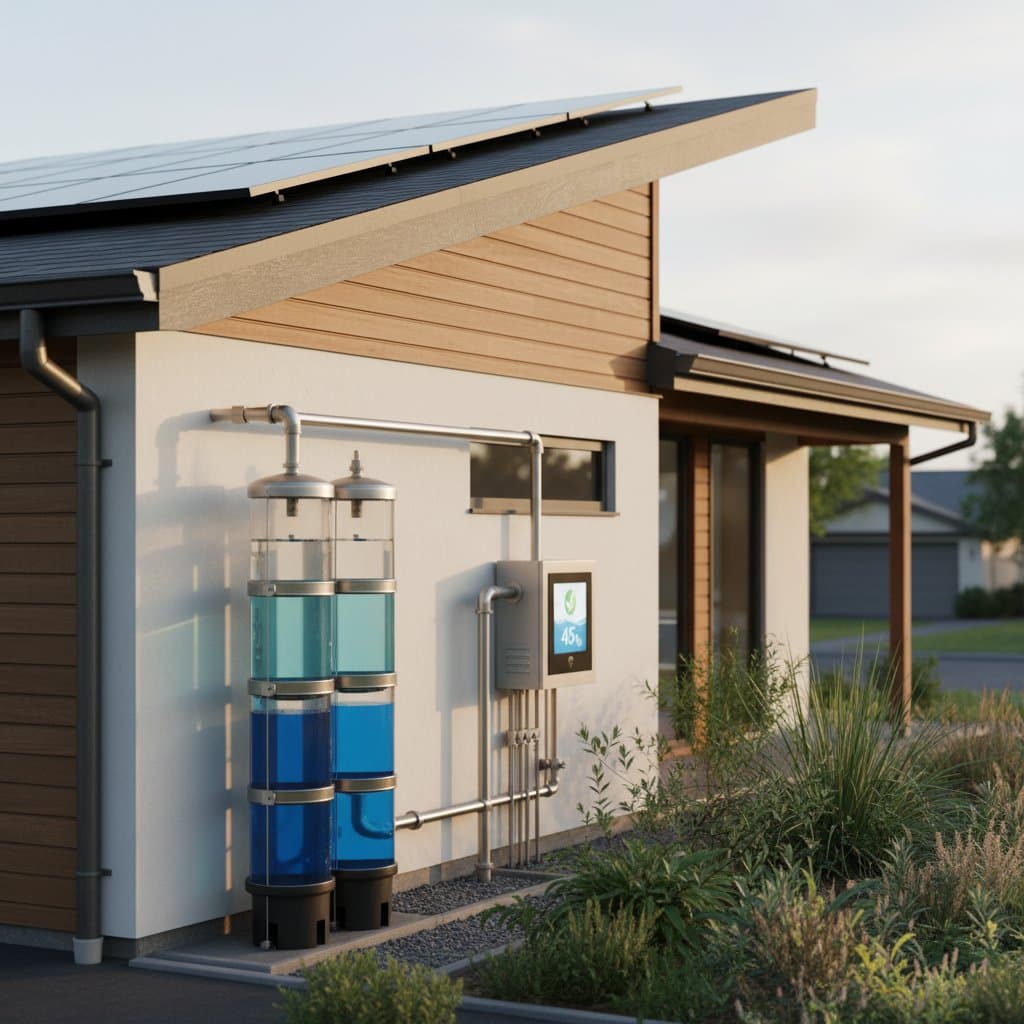
Best for irrigation or toilet flushing. Collects roof runoff in tanks and uses gravity or pumps for distribution. Costs range from 1000 dollars to 5000 dollars. Requires clean gutters and regular tank cleaning.
Option B: Drip Irrigation with Smart Control
Best for reducing outdoor water use without plumbing changes. Uses sensors and timers to water efficiently. Costs range from 300 dollars to 1500 dollars. Low risk and easy retrofit.
Option C: High-Efficiency Fixtures
Best for lowering water use indoors. Install low-flow faucets, showerheads, and dual-flush toilets. Costs range from 200 dollars to 1000 dollars for a whole home. Quick savings and minimal maintenance.
Each alternative saves water, but greywater systems reuse existing water instead of reducing flow demand. Pairing strategies often gives the best payoff.
FAQs
What is the difference between greywater and blackwater?
Greywater comes from sinks, tubs, and laundry. Blackwater comes from toilets or kitchen sinks and must go to the sewer or septic system.
Is it safe to use greywater on vegetables?
No. Only use greywater for ornamental plants or subsurface irrigation. Never spray it or let it contact edible parts of plants.
Do I need a permit?
Most areas require a permit for systems that alter plumbing. Simple laundry-to-landscape systems may be exempt, but always confirm with your local building department.
Does greywater smell?
Properly designed systems do not smell. Odor usually means stagnation, clogged filters, or poor drainage slope.
How much water can I reuse?
A typical household can divert 20 to 40 gallons per person per day, depending on fixtures and habits.
Will it affect my septic system?
Diverting greywater can extend septic life by reducing flow. Make sure the system design keeps solids and soap residue away from the septic drain field.
Can I add disinfectant to greywater?
Avoid chlorine or bleach. Instead, use natural or low-sodium detergents to protect soil and plants.
Does it work in cold climates?
Yes, but pipes and valves must be insulated or drained for winter. Gravity-only systems are easier to winterize.
How long does a system last?
With good maintenance, a greywater system can last 10 to 15 years before major parts need replacement.
Checklist: Ready to Reuse Your Water
- Identify drain sources you can divert safely.
- Check local code for permit or inspection rules.
- Choose a system type such as laundry-only or whole house.
- Plan irrigation zones that match your greywater output.
- Select low-sodium, plant-safe detergents.
- Budget 2000 dollars to 8000 dollars for a professional job.
- Schedule filter cleaning and line flushes.
- Inspect valves and seals quarterly.
- Keep all irrigation outlets subsurface and away from edibles.
- Label pipes and valves clearly for inspection and maintenance.
Next Steps for Homeowners
If water costs are climbing or your region faces drought, a greywater system can cut demand and add resilience. Start small with a laundry-to-landscape setup to test performance and maintenance comfort. Track your water bill before and after to see savings.
If you plan a remodel or new construction, integrate greywater piping early. It costs less to install during rough-in and allows future upgrades like tank storage or automated control.
For most homeowners, the decision comes down to cost versus water rates. In areas with high metered pricing, systems can pay for themselves within several years. In lower-rate regions, the payoff is slower but still valuable for sustainability and independence.
Greywater reuse is practical. It uses plumbing you already have and returns water where it helps most, in your soil and landscape. With solid design and regular care, it is a lasting upgrade that saves water, supports your garden, and keeps your home ahead of future conservation standards.