Greywater Systems: 2026 Costs You Will Want to Know
Summary Box
National average cost: $4,800
Typical range: $2,800 to $8,500
Low end and high end: $1,200 for simple laundry-to-landscape setups, up to $15,000 for whole-house filtration and irrigation systems
Time to complete: 1 to 3 days for basic systems, up to 2 weeks for large retrofits
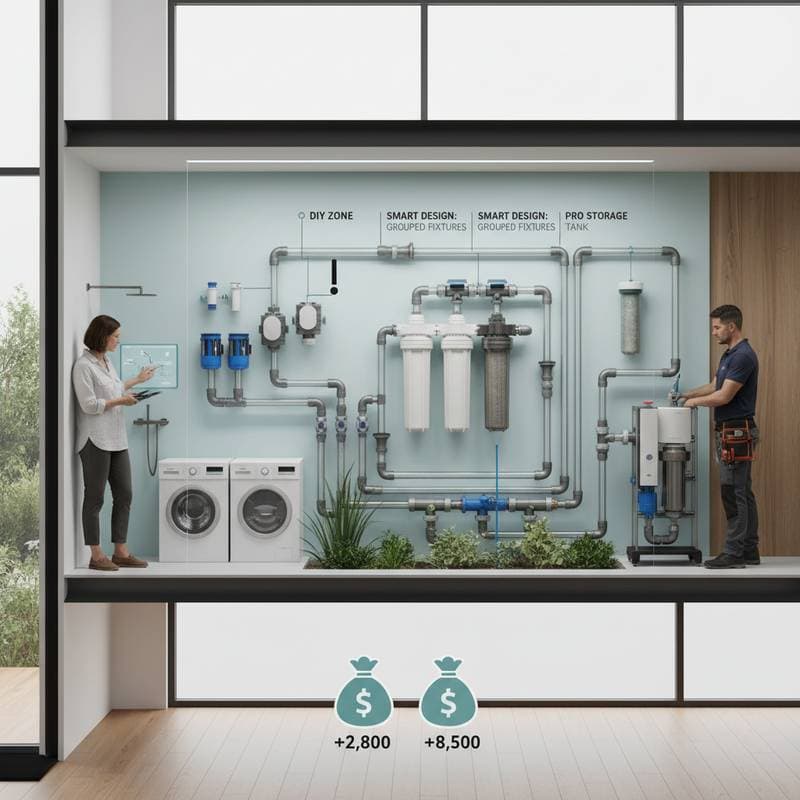
DIY or Pro: Small laundry or shower diverters can be DIY. Full plumbing reroutes and filtration units require a licensed plumber.
ROI or resale impact: Moderate. Home buyers value water-saving systems in drought-prone areas.
Updated: March 2026
Cost Breakdown
| Item | Unit cost | Typical quantity | Line total | Notes |
|---|---|---|---|---|
| Basic diverter kit | $250 to $450 | 1 kit | $250 to $450 | Laundry or single fixture |
| Storage tank (50 to 200 gallons) | $400 to $1,200 | 1 | $400 to $1,200 | Polyethylene or fiberglass |
| Filtration unit | $600 to $1,800 | 1 | $600 to $1,800 | Needed for irrigation or toilet reuse |
| PVC piping and fittings | $2 to $4 per linear foot | 40 to 120 ft | $80 to $480 | Depends on layout |
| Pump and controls | $400 to $1,000 | 1 | $400 to $1,000 | Required for pressurized systems |
| Labor | $65 to $120 per hour | 20 to 60 hours | $1,300 to $7,200 | Licensed plumber and assistant |
| Permits and inspection | $150 to $500 | 1 | $150 to $500 | Local requirement varies |
| Disposal and cleanup | $100 to $250 | 1 | $100 to $250 | For replaced piping or drywall |
Total estimated project cost: $2,800 to $8,500 depending on scope and filtration needs.
Cost Factors
Scope and size. A single laundry line diversion costs less than a comprehensive home system that gathers water from all bathrooms and sinks. Begin by assessing your household water usage to determine the appropriate scale.
Material grade and finish. Select tanks and filters designed for outdoor exposure or elevated pressure ratings. These options endure longer and resist corrosion, justifying the higher initial investment.
Site conditions and accessibility. Properties with slab foundations or confined crawl spaces demand extra effort during installation. Extended pipe runs across large yards also increase material and labor expenses.
Labor market and season. Plumber rates rise in regions with high demand or during summer months when irrigation projects peak. Schedule installations in off-peak periods to secure better pricing.
Custom work and change orders. Older homes frequently reveal complications such as rusted drains or inadequate venting during retrofits. Budget an additional 10 to 20 percent for unforeseen adjustments.
DIY vs Pro
What you can do yourself:
- Install a straightforward laundry diverter kit to direct rinse water toward garden beds. Follow manufacturer instructions to connect hoses securely.
- Position surface drip lines in the yard for even water distribution.
- Perform routine maintenance, such as rinsing filters and inspecting tanks for debris.
Tasks for a licensed pro:
- Integrate connections from multiple fixtures or modify existing waste lines.
- Set up pumps, backflow preventers, and advanced filtration components.
- Obtain necessary permits and verify adherence to local building codes.
Safety and code notes:
Greywater often carries residues from detergents, lint, and bacteria. Avoid any connection to potable water supplies. Establish dedicated irrigation circuits separate from edible gardens. Comply with regulations specifying minimum distances from wells, septic systems, and property boundaries.
Warranty and insurance:
DIY modifications to plumbing may invalidate warranties on appliances and fixtures. Opt for professional oversight to preserve coverage and expedite approvals during inspections.
How To Save Without Regret
- Start simple. Implement a laundry-to-landscape system, which requires less than one-fifth the budget of a complete retrofit. This approach satisfies the majority of outdoor irrigation requirements effectively.
- Group fixtures. Direct greywater from adjacent bathrooms to a centralized collection point. Shorter piping reduces both material costs and installation time.
- Skip storage tanks when possible. Choose direct-use configurations that transport water immediately to landscape areas. These eliminate expenses for pumps and simplify ongoing upkeep.
- Plan projects together. Integrate greywater installation with concurrent renovations, such as bathroom updates or laundry room overhauls. Consolidated access to plumbing minimizes duplicated labor charges.
- Compare quotes carefully. Solicit bids from at least three contractors to identify competitive rates.
Quote Comparison Checklist
- Scope itemized with detailed line items
- Materials specified by grade and brand
- Surface preparation and cleanup explicitly included
- Permit fees and disposal costs accounted for
- Warranty details and project timeline outlined
- Payment terms linked to completion milestones
Step-by-Step Hiring Guide
-
Assess your needs. Evaluate daily water consumption and identify primary greywater sources, such as laundry or showers. Determine if the system will support irrigation, toilet flushing, or both.
-
Research local regulations. Contact your building department to understand permit requirements, approved materials, and discharge standards. Some areas restrict greywater use to subsurface applications.
-
Select system type. Decide between basic diverters for landscaping or advanced setups with filtration for indoor reuse. Consult online resources or extension services for design inspiration.
-
Gather quotes. Provide contractors with site sketches, fixture locations, and desired features. Request breakdowns that separate materials from labor.
-
Review and select. Choose a licensed professional with experience in sustainable plumbing. Verify references and insurance coverage before signing the contract.
-
Oversee installation. Attend key stages, such as rough plumbing and testing, to ensure quality. Confirm all components meet code before final payment.
Timeline and Scheduling
- Material lead time: Allow 1 to 2 weeks for ordering tanks, filtration units, and specialized pumps. Stock common items like PVC pipes in advance to avoid delays.
- Crew time: Basic laundry systems take 1 day, while multi-fixture installations span up to 10 days. Factor in weather interruptions for outdoor work.
- Inspections: Schedule a mid-project review for rough-in plumbing and a final check for system operation, labeling, and backflow testing.
Maintenance and Lifespan
- Filter cleaning: Inspect and rinse every 3 to 6 months to avoid clogs from sediment or organic matter.
- Tank flushing: If storage tanks are in use, drain and refresh once per season to prevent stagnation.
- Pump replacement: Expect service every 5 to 10 years based on runtime and water quality.
- Common failures: Watch for blocked emitters in drip lines, bacterial growth in pipes, or malfunctions in automated controls.
- Repair vs replace: Address minor issues like faulty valves or worn filters promptly to prevent widespread disruptions.
Greywater systems typically last 15 to 25 years with proper care, delivering ongoing savings on water bills and enhancing property resilience in water-scarce regions.
Implementing Your Greywater System
Adopting a greywater system positions you at the forefront of sustainable home management. These installations not only lower utility costs but also contribute to environmental conservation by recycling household water effectively. With careful planning and execution, your investment yields reliable performance and long-term value for both daily use and future resale appeal.