Greywater System Costs and Permits: 2026 Essentials
Summary Box
National average cost: $4,300
Typical range: $2,000 to $8,500
Low end and high end: $800 for basic laundry-to-landscape systems to $15,000 for comprehensive whole-house reuse configurations
Time to complete: 2 to 5 days for modest systems, up to 2 weeks for intricate installations
DIY or Pro: Simple gravity-fed systems suit DIY efforts. Pressurized or plumbing-integrated systems demand a licensed plumber.
ROI or resale impact: Moderate returns through lower water bills and elevated sustainability appeal during resale, particularly in water-scarce areas.
Updated: March 2026
Cost Factors
Scope and Size
A basic system for a single laundry line incurs lower expenses than a multi-fixture arrangement that captures shower and sink drainage. Each additional fixture increases labor demands and permitting hurdles, elevating the overall price.
Material Grade and Finish
Standard PVC piping provides an economical choice. Options like HDPE or flexible polyethylene endure soil shifts and ultraviolet exposure more effectively, though at a premium. Durable stainless steel diverter valves or electronic controllers further enhance longevity while raising costs.
Site Conditions and Accessibility
Retrofitting homes with basement or slab foundations proves challenging due to difficult access to existing drains. Properties on crawlspaces or those with exposed plumbing lines facilitate simpler and less costly modifications. The yard's slope plays a key role, as gravity-fed designs require sufficient elevation drop to ensure proper flow.
Labor Market and Season
Plumber rates fluctuate by location. Urban areas and regions enforcing strict water regulations command higher fees. Wet seasons complicate trenching and soil repair, potentially extending timelines and expenses.
Custom Work and Change Orders
Integrating fixtures beyond standard code permissions or incorporating advanced filtration for toilet reuse intensifies both costs and regulatory review. Verify local restrictions early to prevent scope creep and unforeseen charges.
Strategies to Minimize Costs Effectively
Practical Material Choices
Opt for PVC over HDPE in brief, buried segments through stable soil. Omit ornamental filtration enclosures for subsurface components. Choose manual diverter valves over automated versions for compact setups to control expenses.
Preparation Steps That Cut Labor Time
Coordinate plumbing connections with ongoing renovations, such as bathroom updates. Accessing open walls during these projects halves installation hours. For exterior tasks, pre-dig trenches to reduce the plumber's on-site time and associated fees.
Timing and Project Bundling
Arrange installations during off-peak seasons when contractors extend discounts. Pair the work with related improvements like irrigation enhancements or rainwater harvesting to consolidate trenching and inspection expenses.
Securing Multiple Quotes
Request itemized proposals from at least three contractors, detailing:
- Fixtures integrated into the system
- Pipe materials and sizes
- Filtration specifications
- Irrigation distribution design
- Permitting and inspection responsibilities
- Workmanship warranty terms
Detailed scopes prevent surprise costs and confirm adherence to regulations.
Step-by-Step Guide: Installing a Basic Laundry-to-Landscape System
Safety Warning: Shut off power to the washing machine prior to handling hoses or drain lines. Use protective gloves and eyewear. Refrain from electrical or plumbing modifications exceeding your expertise.
Required Tools
- PVC pipe cutter
- Adjustable wrench
- Drill equipped with hole saw
- Level
- Trenching shovel
- Hose clamps and Teflon tape
- Safety gloves and eye protection
Steps
- Plan the discharge path. Locate an exterior wall exit for the washer drain hose, ensuring a steady downward gradient.
- Install the diverter valve. Section the washer drain line and fit a three-way valve to alternate between sewer discharge and greywater routing.
- Lay the outlet piping. Employ PVC or flexible tubing to channel water to the landscape, preserving a minimum one-quarter-inch drop per foot for effective gravity flow.
- Create mulch basins. Excavate shallow depressions around soap-tolerant plants like fruit trees or shrubs. Layer with wood chips to regulate and purify the water.
- Test the setup. Initiate a brief wash cycle to verify seals, gradient accuracy, and valve functionality.
- Secure and record. Lightly cover lines, mark the path with stakes, and capture images of the arrangement for maintenance records or permitting purposes.
Such a configuration redirects 10 to 20 gallons per load, potentially reducing landscape irrigation needs by one-third in arid periods.
Hiring Guide for Advanced Systems
Engage a licensed plumber or greywater expert versed in local ordinances for whole-house or pressurized installations.
Contractor Selection Checklist
- Verify active licensing and insurance coverage.
- Solicit references from comparable recent projects.
- Examine proposed system schematics prior to commitment.
- Demand a defined scope and detailed cost breakdown.
- Confirm inclusion of permitting and inspections.
- Link payments to key milestones, including rough-in, inspection passes, and final completion.
Key Scope Elements
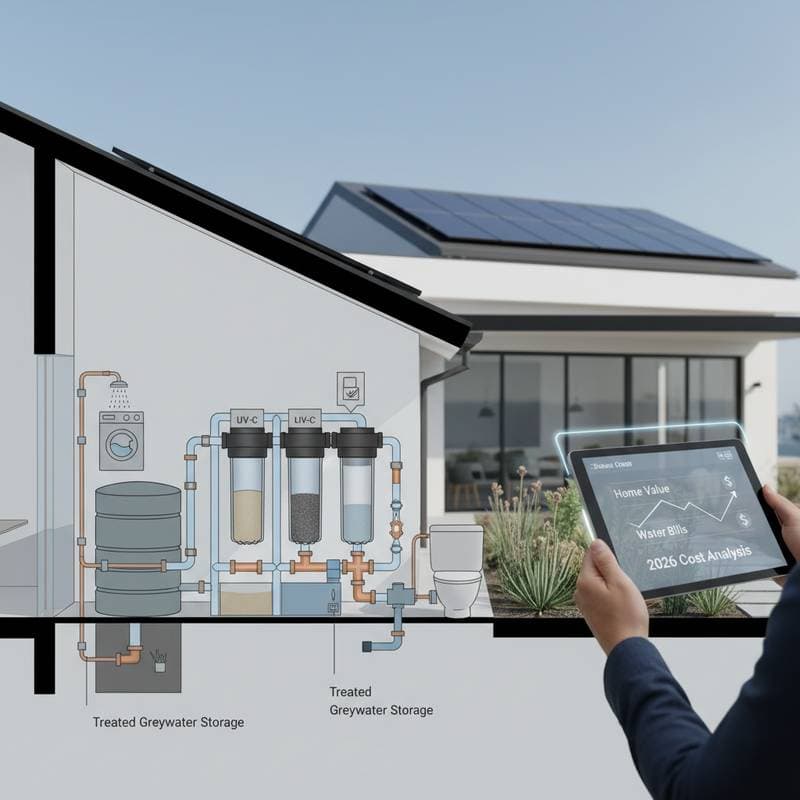
Define included fixtures clearly; showers and lavatory sinks qualify commonly, whereas kitchen sinks and toilets do not due to contamination risks. Establish filtration standards, irrigation methods, and overflow protocols upfront.
Standard Payment Structure
Allocate one-third as deposit, one-third post-rough-in inspection, and the balance upon final approval. Retain a minor holdback until system performance confirms reliability.
Installation Timeline and Coordination
Procuring specialized components like tanks or pumps requires one to two weeks. Basic gravity systems conclude in two to five days. Elaborate projects involving excavation, wiring, and verifications extend to two weeks. Schedule inspections following rough plumbing and at project end. Align schedules with your contractor and local authorities promptly to sidestep bottlenecks.
Ongoing Maintenance and Durability
Routine Upkeep
Rinse lines with fresh water monthly to clear soap residues. Service filters every quarter or per manufacturer guidelines. Refresh mulch annually to sustain purification efficacy.
Identifying and Addressing Issues
Reduced flow or emerging water signals blockages or gradient problems. Lingering smells suggest pooling or inadequate burial depth. Prompt repairs avert soil pollution risks.
Realizing Long-Term Benefits
Greywater systems deliver enduring advantages beyond initial investment. Consistent use yields substantial water bill reductions, especially in households with frequent laundry or bathing. Enhanced sustainability credentials appeal to eco-conscious buyers, potentially lifting resale values in regions facing water shortages. Regular maintenance ensures peak performance, maximizing environmental impact and financial returns over a 15- to 20-year lifespan.