How Much Does a Greywater System Cost? 2026 Pricing Guide
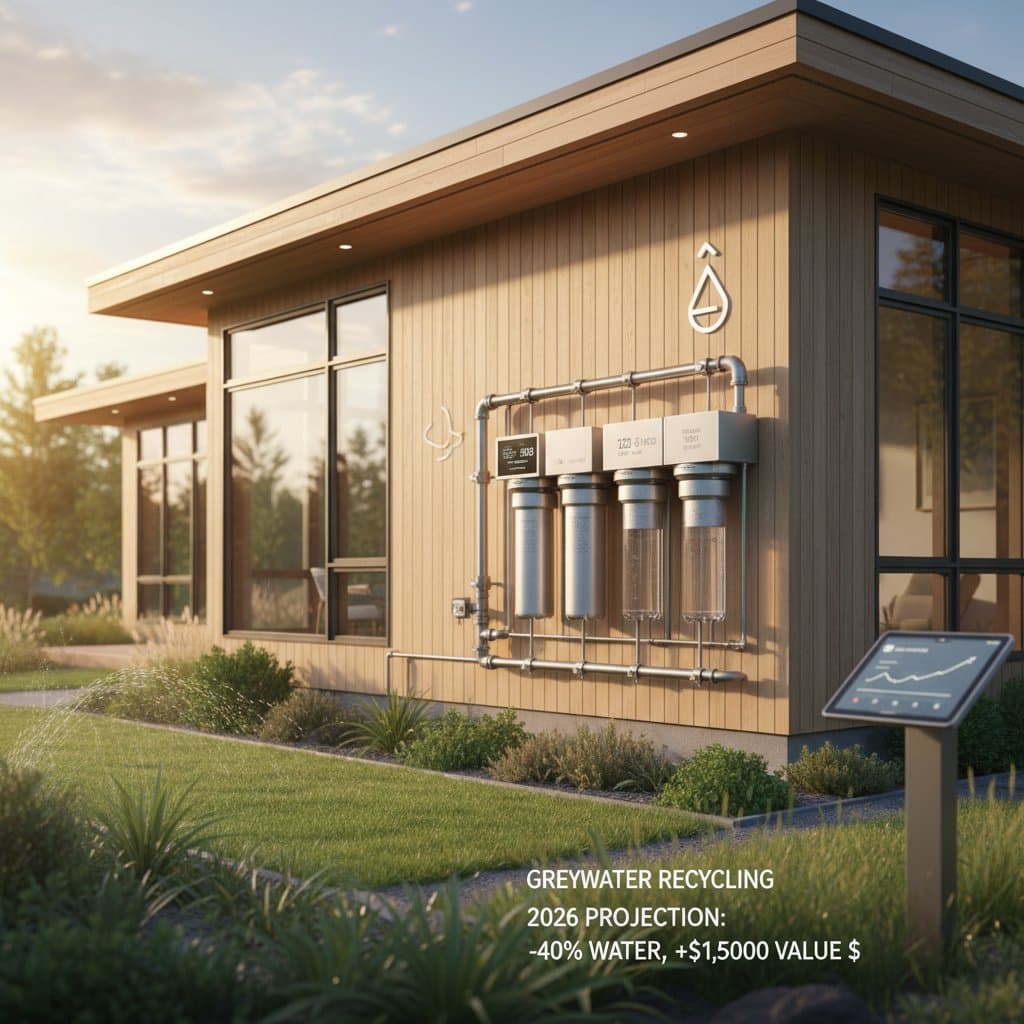
Greywater systems capture water from sinks, showers, and laundry for reuse in irrigation or toilet flushing. These systems promote water conservation in homes. Professional installation costs range from $2,500 to $9,000, with an average of $5,800 for a mid-sized residential setup.
Three key factors shape the total price: system size, filtration complexity, and site conditions. Local plumbing codes and soil types also play a role. Data from the Water Research Foundation shows that well-designed systems reduce household water use by up to 40 percent, which translates to annual savings of several hundred dollars on utility bills. Such investments yield long-term benefits, including enhanced efficiency and reduced reliance on municipal supplies.
Detailed Cost Breakdown
Costs for greywater systems depend on the type and reuse method. Simple laundry systems begin at $1,500, whereas whole-house units that handle multiple sources surpass $10,000.
Primary Pricing Structure
Basic diversion systems run $0.50 to $1 per square foot of service area. More advanced treatment systems climb to $3 per square foot. Installers typically apply a minimum fee of $500 to $1,000 for labor and initial setup.
Nationally, costs distribute as follows:
- 25th percentile for basic, DIY-friendly units: $2,000
- 50th percentile for standard professional installs: $5,800
- 75th percentile for advanced systems: $8,500
Regional differences arise from cost-of-living variations and water regulations. In dry areas, prices rise 10 to 15 percent due to demand for conservation tools.
Size and Scope Factor
Larger systems increase expenses proportionally. A setup for bathroom sinks and laundry costs about $2,500. Whole-home systems managing all greywater sources range from $6,000 to $9,000.
Each additional 100 square feet of irrigated area adds $150 to $200. For instance, a 2,000-square-foot home in a dry region might need a 300-gallon tank at $3,200. A 500-gallon version with automated filtration reaches $6,500. U.S. Environmental Protection Agency benchmarks suggest payback periods of 5 to 9 years, based on local rates.
Material and Quality Tiers
Entry-level systems rely on diverter valves and gravity-fed pipes, priced at $1,500 to $3,000. They demand little maintenance and endure 10 years.
Mid-range options incorporate mechanical filtration, tanks, and pumps, costing $4,000 to $7,000. Brands like Aqua2use and Waterwise provide modular units that sync with irrigation timers, lasting 15 years with replaceable filters.
Premium models feature UV sterilization, sensors, and multi-stage filtration, at $8,000 to $12,000. Systems from Hydraloop and ReWater come with 20-year warranties. Higher initial outlays lead to quicker returns via bill reductions and property value boosts.
Complexity Variables
Complexity affects materials and labor. Limited access in crawl spaces or slab foundations necessitates extra plumbing, adding $1,000 to $2,500. Retrofitting older homes costs 25 percent more than new builds.
Permits and inspections add $150 to $800. Some areas restrict use to subsurface irrigation, requiring trenching and soil tests. Urban labor rates can inflate totals by 20 percent.
Service Types and Comprehensive Pricing
Basic or Standard Greywater System Packages
Basic packages cover diverter valves, simple filters, irrigation connections, and overflow safeguards. Installation spans one to two days, or 6 to 10 labor hours. Prices fall between $2,500 and $4,000, ideal for small households directing laundry or shower water to gardens.
Premium or Comprehensive Systems
Advanced packages integrate full plumbing, filtration tanks, and automation. Features include multi-stage treatment, sensors, pressurized indoor delivery, and municipal backups. Costs range from $7,000 to $12,000, a 40 to 60 percent increase over basics.
These deliver up to 45 percent water savings, cutting annual bills by $400 to $700. Payback occurs in 7 to 10 years, varying by usage and rates.
Add-On Services Matrix
| Add-On Service | Cost Range | Bundle Savings | Recommended Timing |
|---|---|---|---|
| Rainwater integration | $1,000 - $2,500 | 10% | During main installation |
| Smart monitoring system | $500 - $1,200 | 5% | Post-install upgrade |
| System maintenance plan | $200 - $400 per year | 15% | Annually |
| Irrigation redesign | $800 - $2,000 | 8% | With landscape updates |
Bundling services cuts overall costs by up to 12 percent. Off-peak scheduling via platforms like HomeAdvisor yields labor savings.
Professional vs. DIY Analysis
DIY Cost Breakdown
DIY suits those skilled in plumbing. A laundry-to-landscape kit includes a diverter ($250 to $400), filter ($50 to $120), tubing ($80 to $150), and tools ($100). Total materials cost $500 to $900.
Hidden expenses like compliance devices push totals to $1,200 to $1,500. Effort requires 12 to 20 hours, with risks of leaks if codes or drainage are mishandled.
Professional Advantages
Experts ensure permits, warranties, and compliance. They save 15 to 20 hours of work and provide reliable connections. Access to tools adds $500 to $1,000 in value through insurance and efficiency.
Labor raises costs 30 to 40 percent but guarantees performance and lowers upkeep.
Decision Framework
Select professionals for multi-fixture or indoor systems. Reserve DIY for basic outdoor setups. Repairing DIY errors averages $700 to $1,500, often erasing savings. Pros extend system life by 20 percent.
Actionable Cost-Saving Strategies
Timing Optimization
Prices fluctuate 10 percent by season. Late winter or early spring bookings reduce labor fees. Midweek appointments offer 5 to 8 percent off.
Smart Shopping Tactics
Obtain three quotes for line-item comparisons, saving 12 percent via negotiation. Cash payments or bundled services add 3 percent discounts. Buy tanks from manufacturers like GreyFlow to cut $200 to $400.
Preparation Actions
Clear sites and mark zones to trim labor by $150 to $300. Discuss goals clearly to avoid extras.
Market Dynamics and Considerations
Geographic Variations
Urban coasts add 15 to 20 percent premiums from labor and permits. Rural areas incur $200 to $500 travel fees. Arid states provide 25 percent rebates amid high adoption.
Market Timing
Supply issues raise material costs modestly, with 3 to 5 percent annual inflation. Tech advances improve efficiency despite this.
Value Indicators
Systems boost property values 1 to 3 percent in restricted zones. Rebates reach $300 to $1,000. Yearly maintenance stays $100 to $300, offset by bill savings.
Related Services Ecosystem
Pair with rainwater systems ($1,200 to $4,000) to halve outdoor use. Drip irrigation ($800 to $2,000) optimizes distribution. Leak detectors ($200 to $600) safeguard investments.
Together, these cut bills up to 50 percent and advance sustainability.
Steps to Secure Lasting Savings
Evaluate your water needs and site first. Compare quotes from certified installers. Factor in rebates and long-term gains. With proper planning, a greywater system delivers reliable conservation and financial returns.