Introduction to Granny Pod Expenses
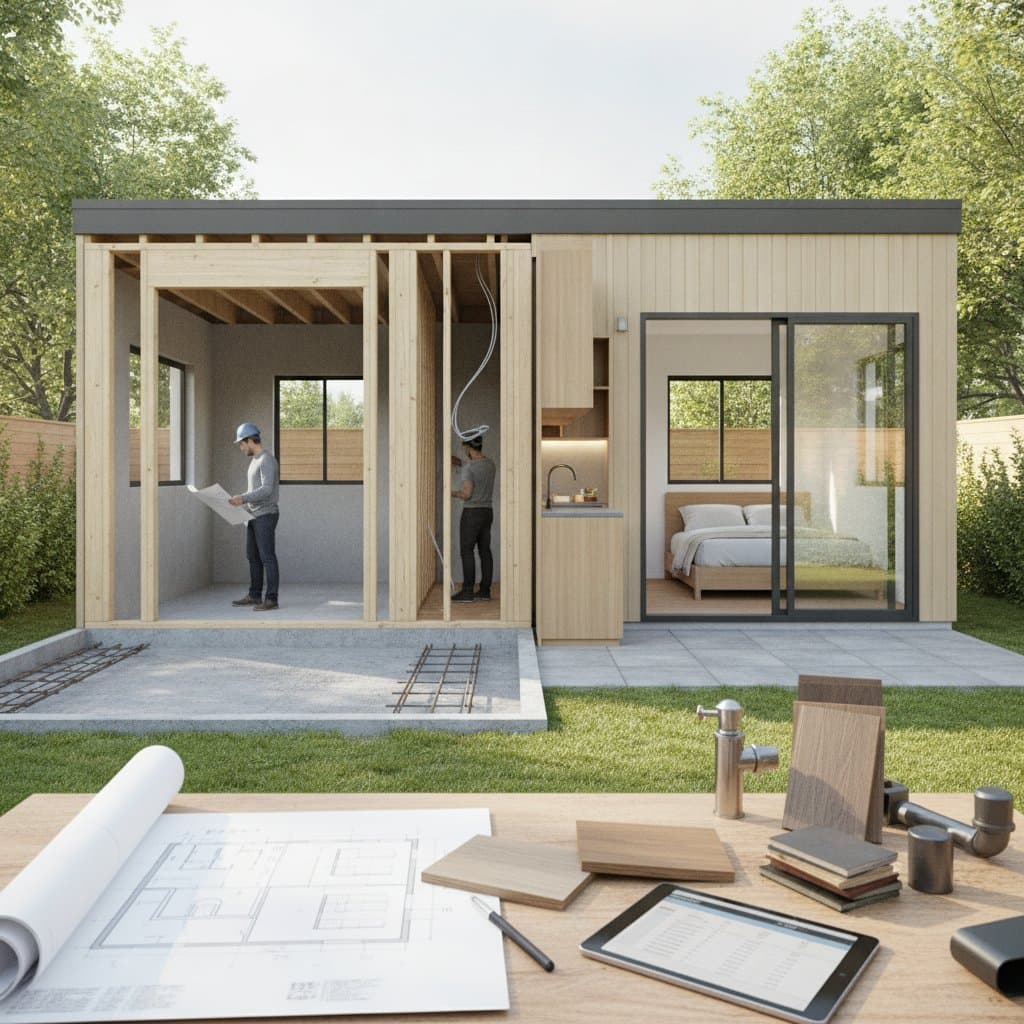
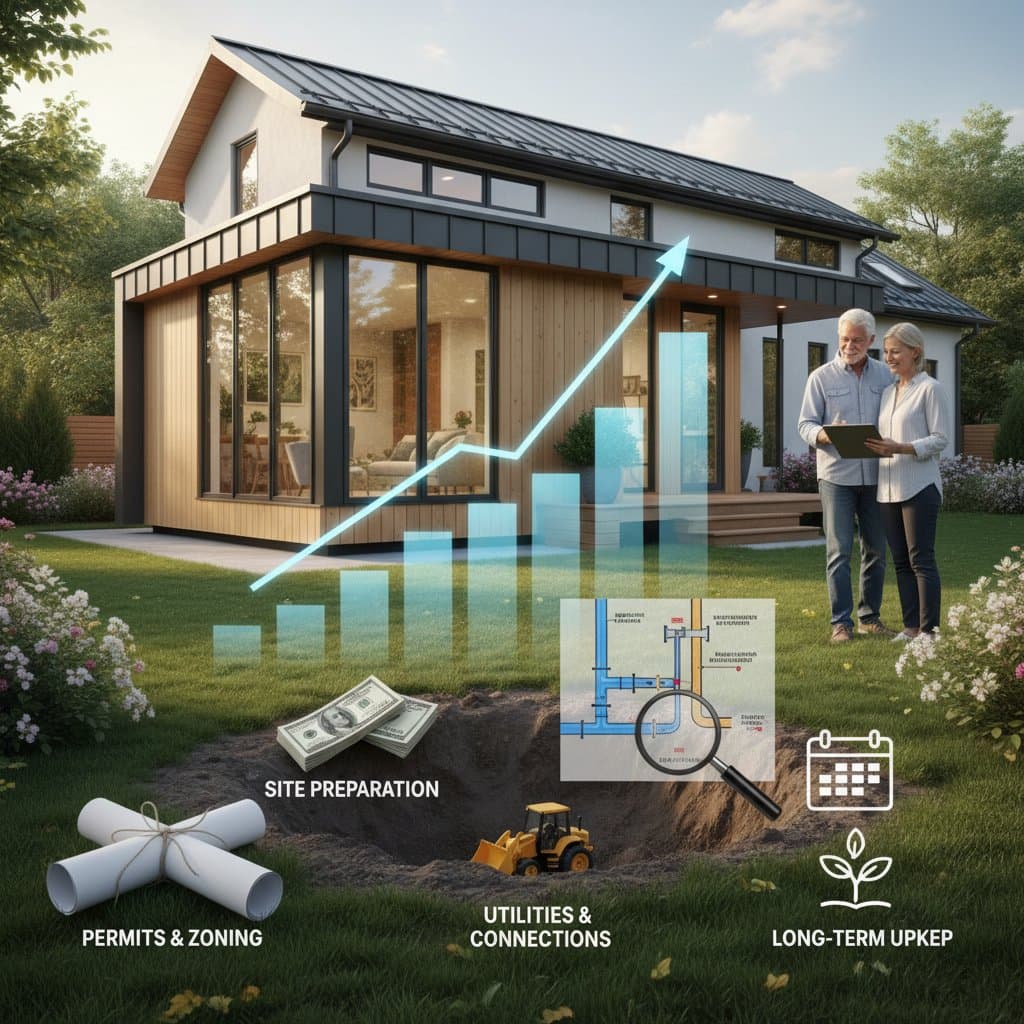
Granny pods, also known as accessory dwelling units (ADUs), offer a practical way to provide independent living space for aging family members on the same property. These backyard structures promise convenience and privacy, yet their true price tag often surprises homeowners. Beyond the visible construction, factors such as site preparation, regulatory approvals, and utility connections add layers of complexity and cost.
Planning requires a comprehensive budget that accounts for every phase, from initial design to occupancy. Homeowners frequently overlook how local laws influence timelines and expenses. A thorough understanding of these elements ensures the project aligns with financial goals and family requirements.
Navigating Permits and Zoning
Securing permits represents the first major hurdle in granny pod development. Local building departments enforce strict standards for safety, size, and placement. Applications typically demand detailed plans, including architectural drawings and environmental impact assessments, which can take weeks or months to process.
Zoning laws vary widely by municipality. Some areas restrict ADUs to rear lots or limit their square footage to 800 square feet. Homeowners must review municipal codes online or consult planners to confirm eligibility. Failure to comply risks project halts or legal penalties.
A homeowner should request written confirmation from planning officials before signing construction contracts. Verbal approval or informal guidance provides insufficient protection if disputes arise later. This documentation serves as a safeguard throughout the building process.
Hidden and Long-Term Costs
The upfront construction price for a basic granny pod ranges from $50,000 to $150,000, depending on size and features. Site preparation adds $5,000 to $20,000 for grading, excavation, and utility trenching. Electrical and plumbing extensions often require professional assessments to meet code, potentially increasing costs by 10 to 20 percent.
Ongoing expenses extend the financial commitment. Utility bills rise with separate metering for water, electricity, and sewage, adding $100 to $300 monthly. Insurance premiums climb as the property now includes a secondary structure; some providers mandate standalone policies costing $500 to $1,500 annually.
Property taxes adjust upward after reassessment, sometimes by 5 to 15 percent of the home's value. Maintenance demands regular attention: roofs need inspection every five years at $1,000 to $3,000, while plumbing and HVAC systems require servicing to prevent breakdowns. Prefabricated models, though quicker to install, feature proprietary parts that demand certified technicians, elevating repair bills.
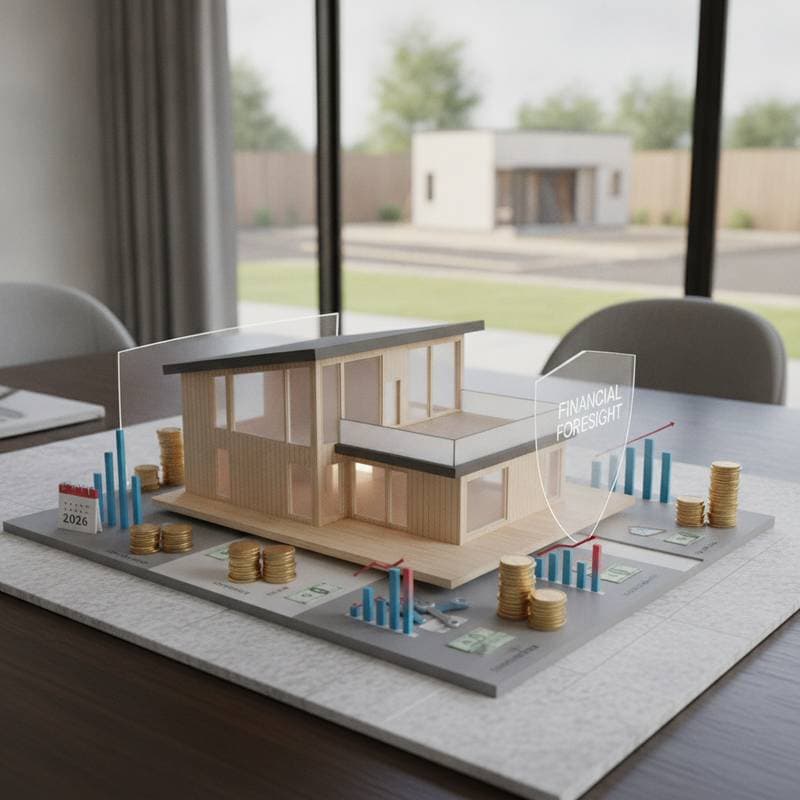
Financing options include home equity loans with interest rates around 7 percent or construction-specific loans spanning 5 to 10 years. Retirement funds offer another avenue but deplete savings reserves. Homeowners benefit from calculating total ownership costs over 10 years against potential property value gains, which average 5 percent annually in supportive markets.
Avoiding Common Pitfalls
Compliance oversights derail many projects. Starting work without permits invites fines up to $10,000 per violation and possible demolition orders. Ignoring setback requirements, which mandate 5 to 10 feet from property lines, leads to redesigns and delays.
Prefabricated units do not inherently satisfy local codes; modifications for seismic reinforcement or energy efficiency can add $10,000 or more. Soil testing, essential for foundation stability, costs $500 to $2,000 but prevents future settling issues.
To minimize risks, follow these steps:
- Obtain written estimates from at least three licensed contractors, specifying materials, timelines, and contingencies.
- Verify that the manufacturer’s design aligns with state building standards through a certified engineer’s review.
- Organize all permit documentation and inspection reports in a dedicated file for easy access during audits.
- Ensure the unit’s foundation type suits local soil and drainage conditions via geotechnical analysis.
- Secure written warranty terms that cover the structure, mechanical systems, and installation labor for at least five years.
These measures protect against surprises and maintain project momentum.
Financing and Budgeting Strategies
Effective budgeting starts with a detailed spreadsheet tracking every expense category. Allocate 10 to 15 percent of the total for unforeseen issues like weather delays or material price fluctuations. Consult financial advisors to weigh loan options against cash outlays, considering tax implications for home modifications.
Compare granny pods to alternatives such as in-home additions, which might cost $30,000 to $80,000 but avoid separate permitting. Factor in long-term savings from reduced assisted living fees, averaging $4,000 monthly. This analysis reveals whether the investment supports family care without straining resources.
Ensuring Long-Term Value
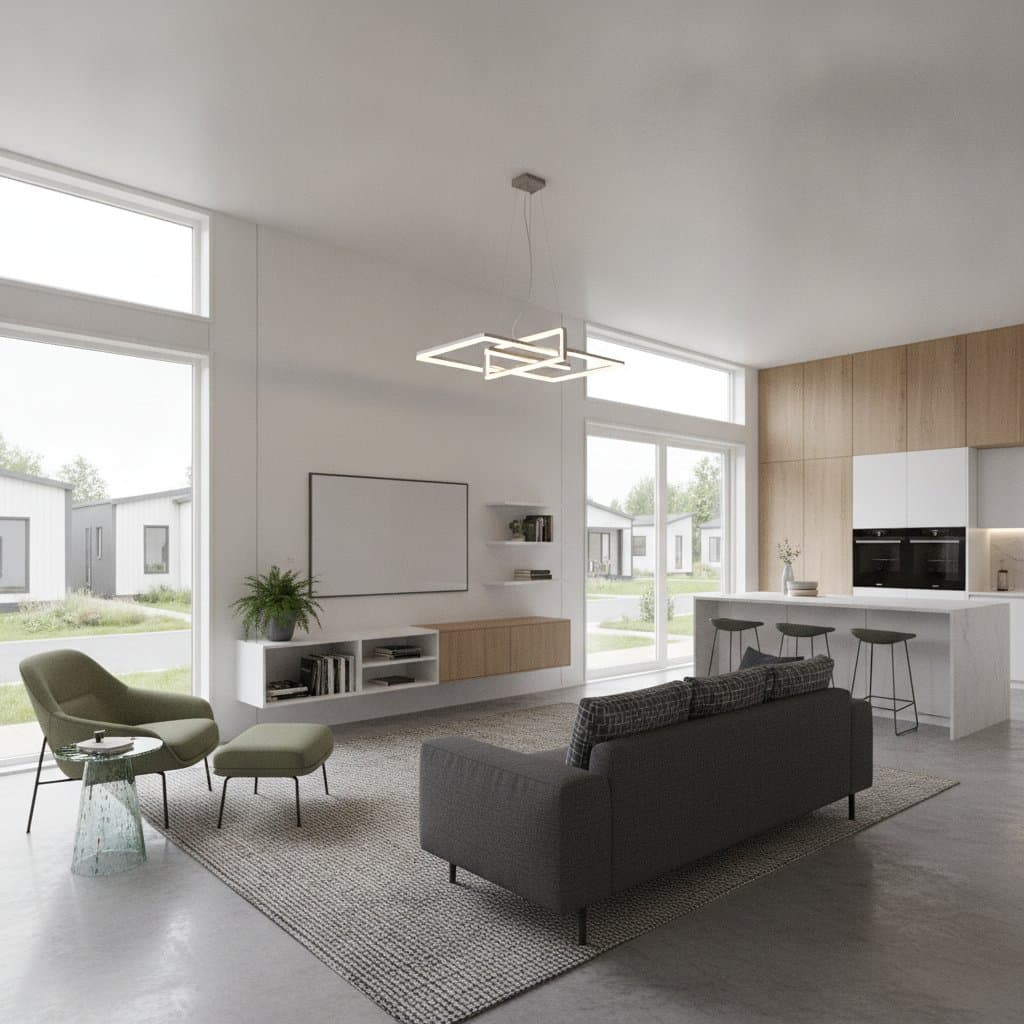
A granny pod enhances multigenerational living when approached with diligence. Careful attention to regulations and costs turns a backyard addition into a resilient asset. Homeowners who prioritize documentation and professional input create spaces that foster independence and security.
Evaluate resale impacts: well-designed ADUs boost property appeal, potentially increasing market value by 10 to 20 percent. Monitor evolving zoning trends, as many regions relax ADU rules to address housing shortages. This forward-thinking strategy secures the investment for future needs.
Ultimately, methodical planning safeguards finances while delivering a comfortable, compliant living solution. The result supports loved ones effectively for years ahead.