Essential Costs for Building a Granny Flat in 2026
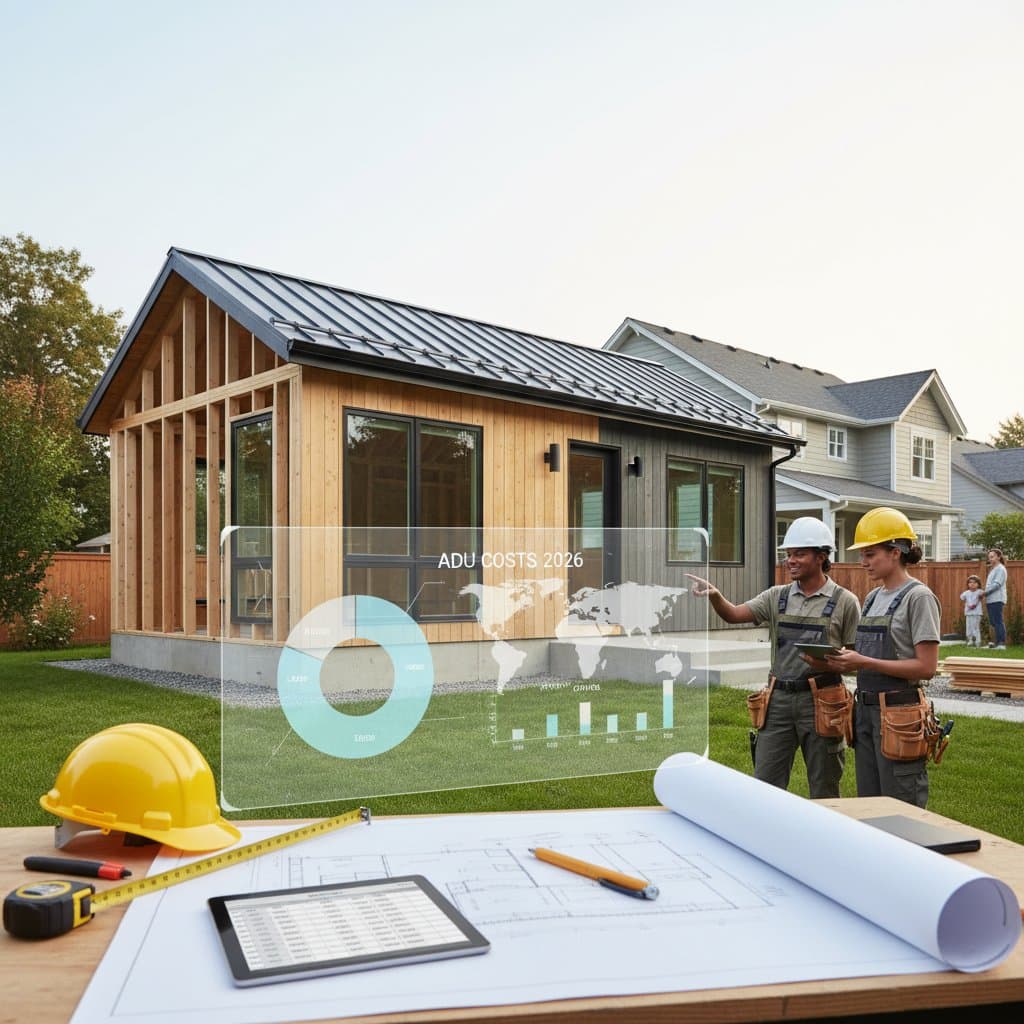
A granny flat, known also as an accessory dwelling unit or ADU, provides a straightforward method to expand livable space and enhance property value. Property owners construct these units to generate rental income, accommodate family members, or facilitate aging in place. Readers seek precise information on expenses, influencing factors, and planning strategies to align projects with financial constraints and site specifics.
This guide details average national cost ranges, regional influences, and decisions that adjust pricing. It addresses timelines, safety protocols, building codes, and options for professional versus self-directed work to support informed planning from the outset.
Cost Breakdown: National Averages and Regional Variations
Expenses for granny flats fluctuate based on location, architectural choices, and terrain characteristics. The following table presents national averages using standard materials and moderate-quality finishes.
| Scope Item | Material Cost Range | Labor Cost Range | Total Cost Range | Key Influencing Factors |
|---|---|---|---|---|
| Site Preparation and Foundation | $5,000–$20,000 | $2,000–$15,000 | $7,000–$35,000 | Soil composition, land slope, equipment access |
| Framing and Structural Elements | $15,000–$30,000 | $10,000–$25,000 | $25,000–$55,000 | Lumber prices, potential weather interruptions |
| Roofing and Exterior Siding | $8,000–$15,000 | $6,000–$12,000 | $14,000–$27,000 | Material selections, roof angle complexity |
| Windows, Doors, and Insulation | $7,000–$15,000 | $5,000–$10,000 | $12,000–$25,000 | Energy efficiency standards, glass specifications |
| Plumbing and Electrical Systems | $10,000–$20,000 | $8,000–$20,000 | $18,000–$40,000 | Proximity to primary residence, electrical panel modifications |
| HVAC and Ventilation Systems | $4,000–$10,000 | $3,000–$6,000 | $7,000–$16,000 | Equipment type, installation method (ducts or mini-splits) |
| Interior Finishes | $15,000–$35,000 | $10,000–$20,000 | $25,000–$55,000 | Cabinet options, flooring materials, fixture quality |
| Permits and Design Fees | — | — | $5,000–$15,000 | Municipal charges, engineering requirements |
Overall National Range: $100,000 to $250,000 for a standalone unit of 400 to 800 square feet.
Attached Units or Conversions: $70,000 to $180,000, varying with necessary modifications.
Three Key Factors Driving Costs
- Material Quality Levels: Opt for basic or high-end options to control expenses.
- Labor Demands: Intricate designs, limited access, or challenging terrain increase required hours.
- Site-Specific Challenges: Utility extensions, setback requirements, and drainage solutions impact the budget.
Regional differences arise from labor rates and material availability. Coastal areas often incur higher costs due to seismic reinforcements, while rural zones benefit from lower permitting fees but face elevated transportation expenses.
Step-by-Step Construction Process
Prioritize safety throughout: Equip workers with gloves, protective eyewear, hearing protection, steel-toed footwear, and respiratory masks.
- Initial Feasibility Assessment: Confirm zoning regulations, setback distances, and maximum lot coverage. Consult local planning authorities regarding ADU permissions.
- Preliminary Design Phase: Select floor plan, dimensions, and configuration (attached or detached) to match intended use.
- Engineering and Permitting: Prepare and submit plans for structural integrity and utility connections. Cover fees for impact assessments, utility tie-ins, and plan reviews.
- Site Preparation: Remove obstacles, grade the terrain, and set foundation molds. Conduct soil tests if mandated by local codes.
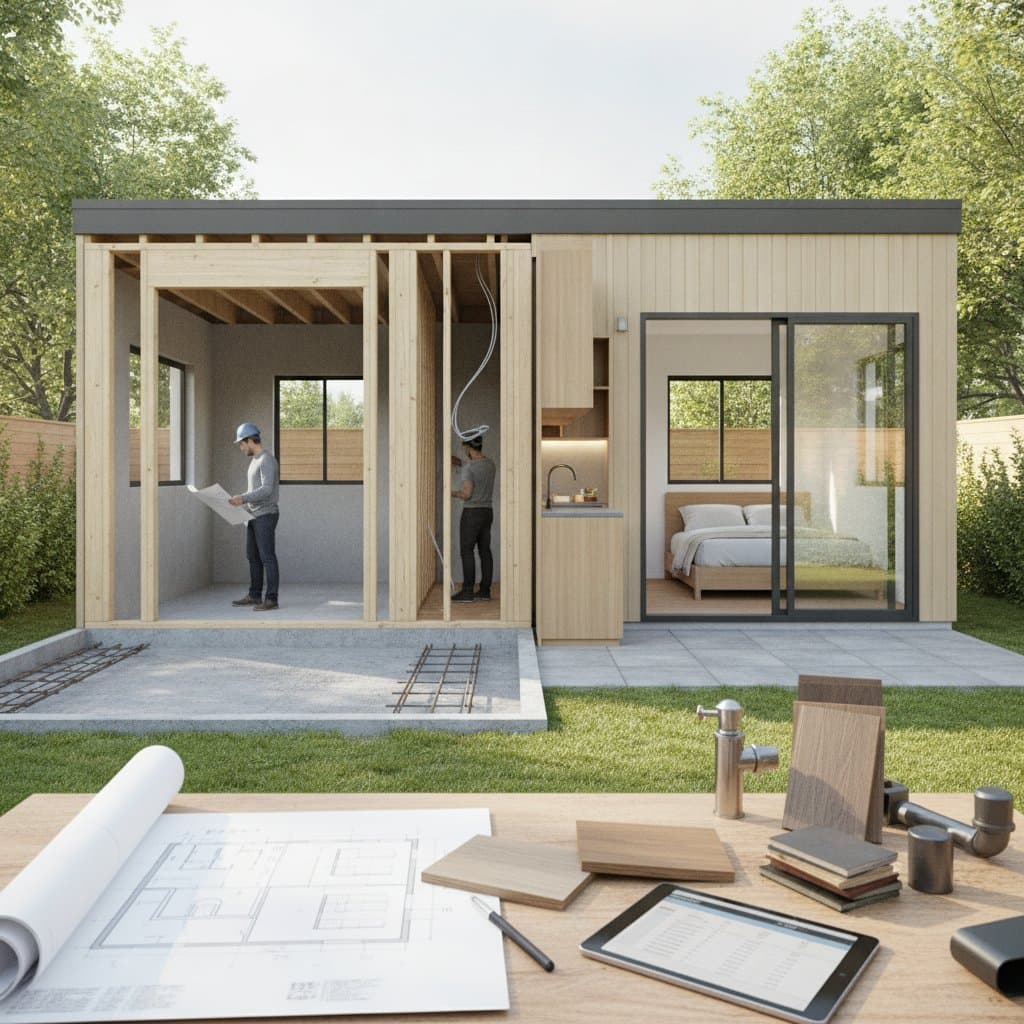
- Foundation and Framing Work: Cast concrete slabs or erect elevated foundations, followed by wall and roof framing.
- Rough-In for Plumbing and Electrical: Install water supply and waste lines, position the electrical panel, and prepare wiring for outlets and fixtures.
- Insulation and Drywall Installation: Adhere to specified R-value standards. Apply moisture-resistant materials in wet areas like bathrooms and kitchens.
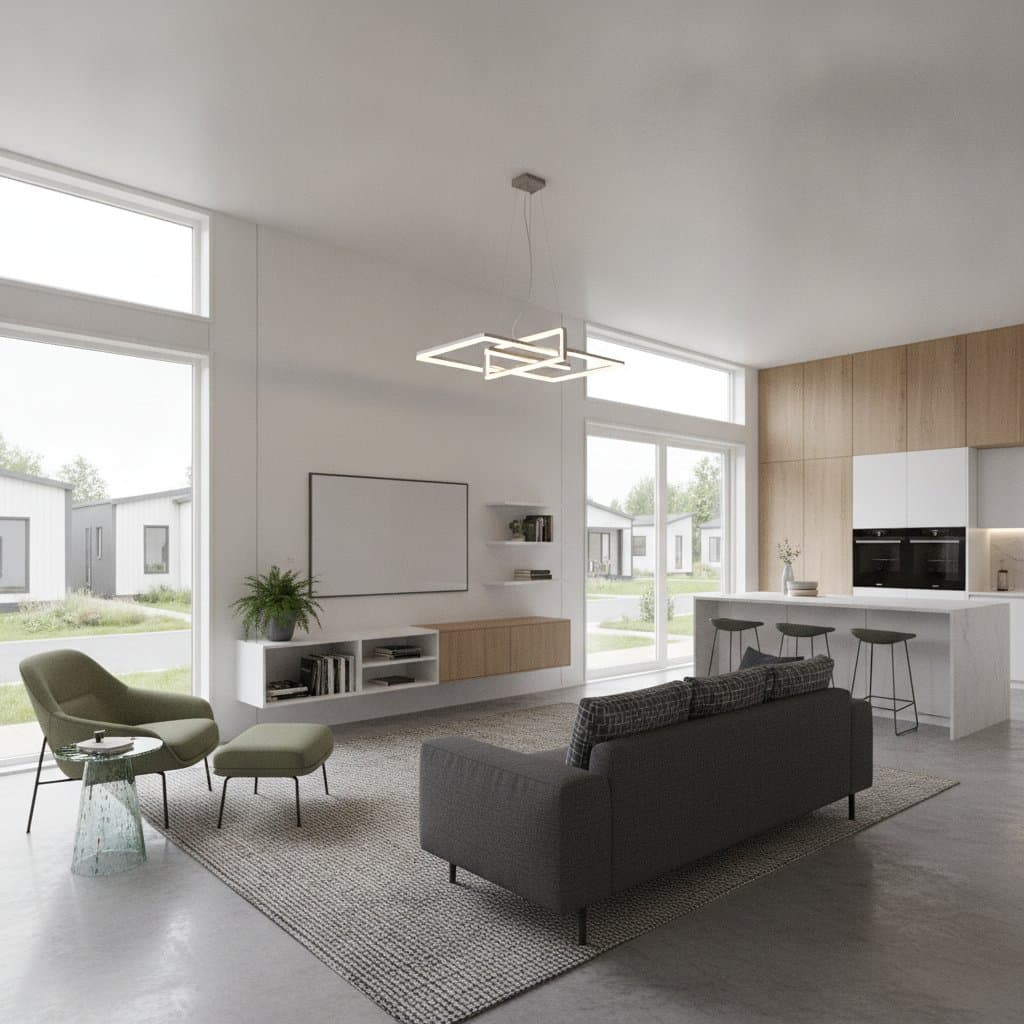
- Final Finishes and Installations: Fit flooring, cabinetry, lighting, plumbing fixtures, and appliances.
- Final Inspections: Arrange evaluations for building structure, electrical, plumbing, and mechanical systems prior to occupancy approval.
Project Timeline Expectations:
- Design and permitting stages: 2 to 4 months.
- Active construction: 3 to 6 months for detached builds, 2 to 4 months for conversions.
- Inspection and completion: 2 to 4 weeks.
Delays often stem from supply chain issues or inclement weather; build buffers into schedules.
Common Pitfalls and Prevention Strategies
Avoid these errors to prevent costly corrections:
- Neglecting soil analysis or drainage planning, which results in structural cracks or flooding.
- Selecting inadequate utility capacities, leading to insufficient pressure or power supply.
- Overlooking required distances from neighboring properties, necessitating redesigns or demolitions.
- Excessive personalization of interiors, which limits appeal for renters or future buyers.
- Engaging contractors without proper licensing, risking permit invalidation and inspection failures.
Conduct thorough pre-build audits to identify and mitigate these risks early.
Guidelines for Professional Versus DIY Approaches
Apply the DIY Evaluation Framework to determine the best path forward.
- Assess Personal Expertise: Proceed with self-work only if experienced in framing, electrical, or plumbing tasks.
- Evaluate Safety Implications: Delegate structural, gas line, or high-voltage elements to licensed professionals.
- Review Equipment Needs: Renting or purchasing items like soil compactors, electrical panels, or inspection cameras often favors hiring experts.
Suitable DIY Activities:
- Basic demolition and clearing of the site.
- Application of paint, installation of flooring, and addition of trim.
- Final landscaping and boundary fencing.
Essential Professional Services:
- Foundation pouring and structural framing.
- Plumbing, electrical, and HVAC setups.
- Roofing and insulation applications.
- Management of permits and compliance inspections.
Misjudging these divisions can escalate expenses through rework or regulatory penalties.
Pre-Construction Readiness Checklist
| Category | Essential Elements |
|---|---|
| Required Tools | Level, circular saw, power drill, nail gun, concrete mixer |
| Necessary Skills | Basic framing techniques, plumbing routing, elementary wiring |
| Safety Equipment | Gloves, safety goggles, respirator, steel-toed boots |
| Required Permits | Building permit, electrical approval, plumbing certification, mechanical clearance, zoning verification |
| Preparation Steps | Conduct lot survey, locate underground utilities, verify setback compliance |
| Site Considerations | Schedule outside rainy periods, secure vehicle access for material deliveries |
Verify completion of each item to launch the project without interruptions or additional charges.
Resolving Frequent Construction Issues
Address these challenges promptly to minimize disruptions:
- Reduced Water Flow: Inspect for narrow pipes or blocked fixtures; consider line upgrades.
- Frequent Circuit Interruptions: Test for overloads or defective ground-fault devices; redistribute loads if needed.
- Cracks in Floors: Track environmental shifts and ensure proper grading directs water away from the base.
- Window Condensation: Improve airflow or install energy-efficient double-glazed units.
- Inconsistent Temperatures: Adjust air handler settings or replace clogged filters.
Regular monitoring during and after construction preserves the unit's functionality.
Securing Funding and Finalizing Your Project
Secure financing options early, such as home equity lines, refinance proceeds, or dedicated construction financing. Allocate 10 to 15 percent of the budget as a reserve for unforeseen adjustments or infrastructure discoveries. With careful preparation, a granny flat not only meets immediate needs but also strengthens your property's financial position for years ahead.