Granny Flat Building: What 2026 Costs Really Mean
Building a granny flat provides additional living space, generates rental income, or offers a comfortable residence for family members. Costs fluctuate rapidly due to material prices, labor rates, and regulatory changes. A clear understanding of these factors enables effective planning for a project that aligns with budget constraints and timelines.
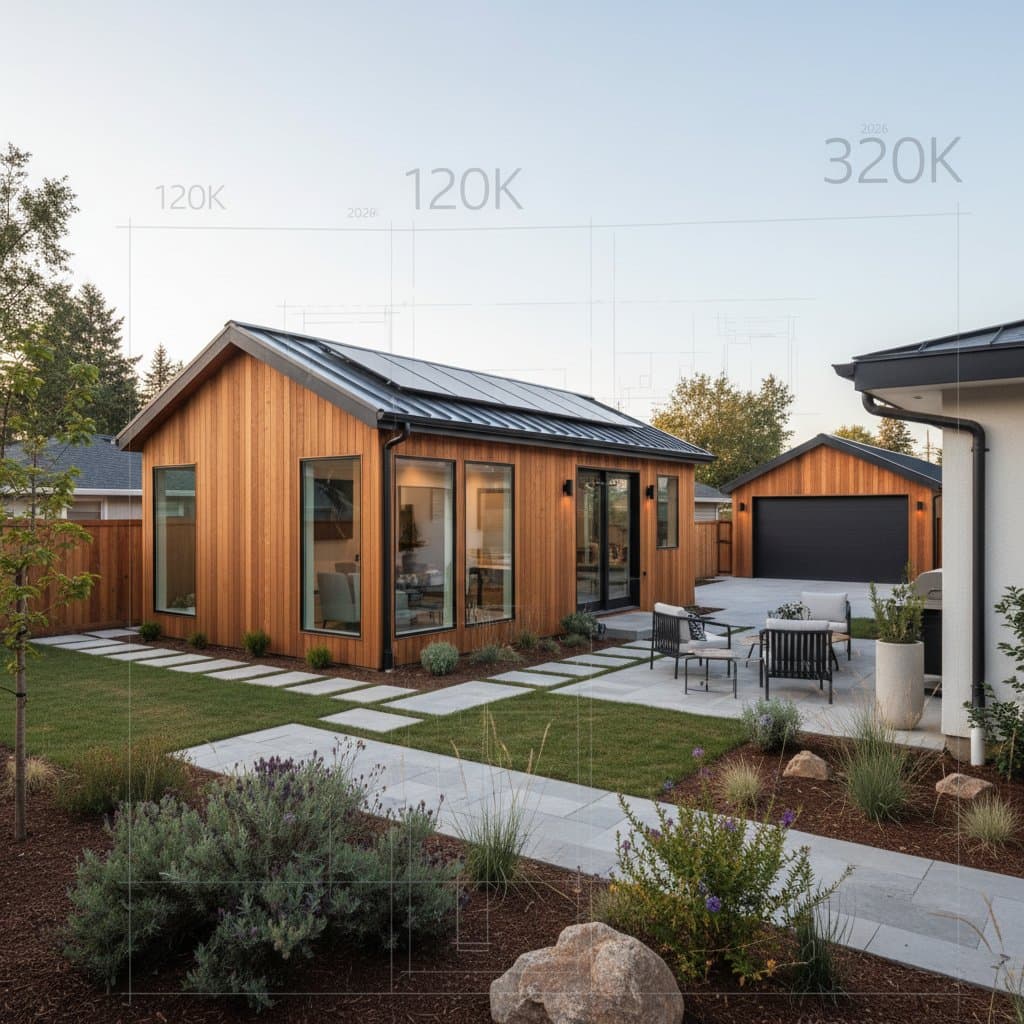
Quick answer: Anticipate expenditures between $120,000 and $320,000 for a fully constructed granny flat. This range accounts for variations in size, finish quality, site preparation, and regional labor costs. Detached structures with comprehensive utilities and bespoke finishes reach the upper limit, whereas attached additions or prefabricated models reduce expenses by tens of thousands of dollars.
Comparing Granny Flat Options
Selecting the appropriate granny flat type influences both initial investment and long-term utility. Each option balances cost, privacy, and construction complexity differently. Consider site constraints and intended use when evaluating these alternatives.
| Type | Typical Cost Range | Pros | Cons |
|---|---|---|---|
| Detached new build | $180,000 to $320,000 | Full privacy, flexible design, higher rental value | Most expensive, longer timeline |
| Attached addition | $120,000 to $220,000 | Shares walls and utilities, lower cost | Less privacy, limited layout |
| Garage conversion | $100,000 to $180,000 | Uses existing structure, faster permit | Limited space, may need structural upgrades |
| Prefabricated or modular | $130,000 to $250,000 | Shorter build time, less site disruption | Limited customization, transport and crane costs |
Cost Examples by Scope
Project scope directly impacts pricing through square footage, amenities, and foundational requirements. Basic units prioritize essentials, while larger configurations incorporate expanded features. Review these examples to gauge alignment with personal needs.
| Scope | Description | Estimated Range |
|---|---|---|
| Basic studio | 400 to 500 square feet, kitchenette, bath, slab foundation | $120,000 to $160,000 |
| One-bedroom unit | 600 to 750 square feet, full kitchen and bath | $170,000 to $230,000 |
| Two-bedroom detached | 800 to 1,000 square feet, full kitchen, laundry, patio | $240,000 to $320,000 |
DIY vs Professional Work
Constructing a granny flat demands expertise in multiple trades, from structural engineering to code adherence. Homeowners must assess their capabilities realistically to avoid costly errors or safety risks.
Skill level: This endeavor exceeds beginner-level projects. It requires knowledge of framing, utility integration, and regulatory compliance.
DIY options:
- Interior painting, landscaping, and trim installation suit homeowners equipped with basic tools and moderate experience.
- Certain prefabricated or modular kits permit limited self-assembly, provided professional oversight occurs.
Hire a pro for:
- Foundation pouring, framing, roofing, electrical wiring, plumbing installation, and HVAC systems.
- All tasks necessitating permits, inspections, or specialized certifications.
- Modifications to load-bearing elements or structural components.
Safety notes: Employ appropriate personal protective equipment at all times. Ensure adequate ventilation when applying paints or adhesives. Adhere strictly to electrical and plumbing codes. Refrain from handling gas lines or primary electrical panels without licensed expertise.
Maintenance, Care, and Lifespan
A properly constructed granny flat endures alongside the primary residence, provided regular maintenance occurs. Proactive care minimizes repair expenses and extends operational life.
Annual tasks
- Examine roof flashing, gutters, and exterior paint for wear.
- Service HVAC filters, test smoke alarms, and verify carbon monoxide detectors.
- Clear drains and inspect plumbing fixtures for potential leaks.
Every 5 to 10 years
- Repaint exterior siding or renew caulking around openings.
- Update flooring or interior paint as aesthetic or functional needs arise.
- Reseal windows and doors to enhance energy efficiency.
Long-term
- Schedule roofing replacement near the 20-year interval.
- Install new water heaters after 10 to 15 years of service.
- Modernize lighting fixtures and appliances to optimize energy use.
Incorporate sustainable elements such as metal roofing, resilient siding, and LED illumination to lower ongoing maintenance demands.
Return on Investment
Granny flats enhance property appeal and provide versatile usage options. Rental yields typically span 5 to 10 percent annually, influenced by local market rents and financing structures. Family applications yield indirect benefits, including reduced costs for assisted living or childcare services. Independent detached units command higher appraisals than integrated conversions, thanks to superior privacy and self-sufficient utilities.
Preserve resale potential by harmonizing the unit's architectural style with the main dwelling. Maintain unified landscaping across the property. Retain comprehensive records of permits, inspections, and warranties for prospective purchasers.
FAQs
How big can my granny flat be?
Most municipalities permit 400 to 1,200 square feet, or up to 50 percent of the primary residence's footprint. Verify specifics through local zoning authorities.
Do I need a separate utility meter?
Certain jurisdictions mandate independent electric or water meters for rental purposes, while others permit shared systems. Consult the municipal utility department at the outset.
Can I finance a granny flat?
Affirmative. Financing avenues encompass home equity loans, cash-out refinancing, and specialized ADU construction loans. Evaluate interest rates and repayment conditions thoroughly before proceeding.
Will it raise my property taxes?
Yes, generally reflecting the value of the added improvement rather than a complete property revaluation. Inquire with the county assessor for precise implications.
Steps to Launch Your Project
Granny flats offer enduring flexibility for expanding living arrangements and property value. Grasp the underlying cost drivers and planning essentials to execute a venture suited to your site and objectives. Secure at least three comprehensive bids from licensed contractors. Examine prevailing ADU ordinances in your area. Confirm availability of utility connections prior to commitment.