How Much Does a Backyard Granny Pod Cost? 2026 Pricing Guide
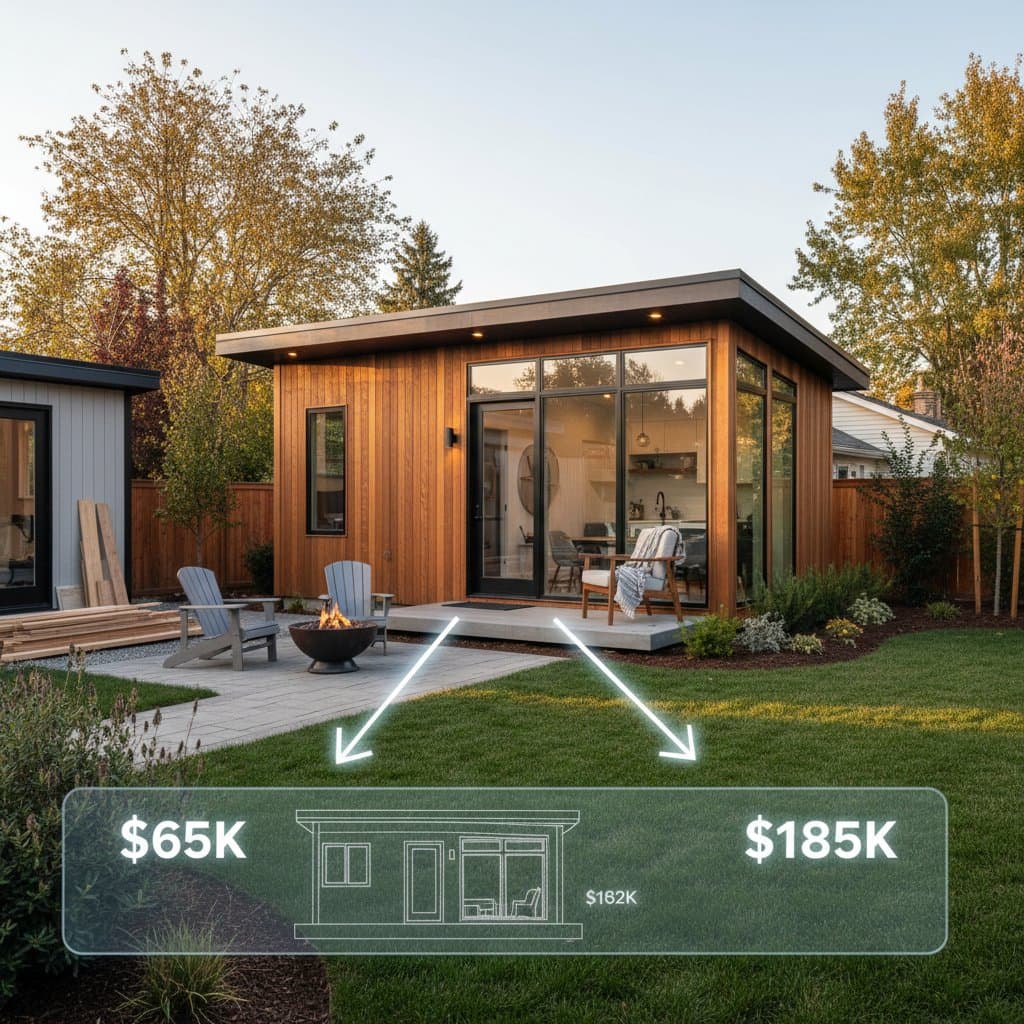
A backyard granny pod offers a private, independent living space close to the main house, ideal for aging parents or extended guests. These accessory dwelling units provide comfort, safety, and convenience. Professional installations range from $65,000 to $185,000, with the average at $125,000 for a standard, fully equipped model.
Three primary factors shape the final price: size and layout, materials and finishes, and site complexity. Regional labor rates and permit fees also play a role. A well-constructed granny pod can raise property value by up to 25 percent, based on estimates from real estate experts.
Selecting the appropriate design and contractor ensures long-term comfort for family members and increases home equity.
Detailed Cost Breakdown
Granny pod costs follow a per-square-foot model akin to small home builds. The average falls between $150 and $325 per square foot, influenced by finish quality, utilities, and custom elements. Typical sizes span 250 to 600 square feet, leading to total costs of $65,000 to $185,000.
Modular manufacturers and builders often set a minimum charge of $50,000 for basic units or shells. Prefabricated options with simple finishes start at about $70,000, representing the lower quartile of national prices. Mid-range builds average $125,000, while luxury versions exceed $175,000 in the upper quartile.
Size and Scope Factors
Size accounts for the largest cost variations. A 250-square-foot unit suits a single occupant and costs $65,000 to $80,000. Models at 400 square feet, which include a kitchenette and accessible bathroom, range from $95,000 to $130,000.
Larger 600-square-foot units surpass $160,000, particularly with full kitchens, separate bedrooms, or added porches. Each additional 100 square feet increases expenses by $15,000 to $25,000, based on finishes and design. Modular systems from companies like Studio Shed and Boxabl allow scalable expansions without disproportionate price hikes.
Material and Quality Tiers
Entry-level pods feature vinyl siding, laminate flooring, and standard appliances, priced at $150 to $200 per square foot. These provide a 20-year lifespan with regular upkeep.
Mid-range selections incorporate fiber-cement siding, quartz countertops, and efficient HVAC systems, costing $200 to $275 per square foot. Options from Clayton Homes and Backyard Escape Studios include customizations and warranties up to 10 years.
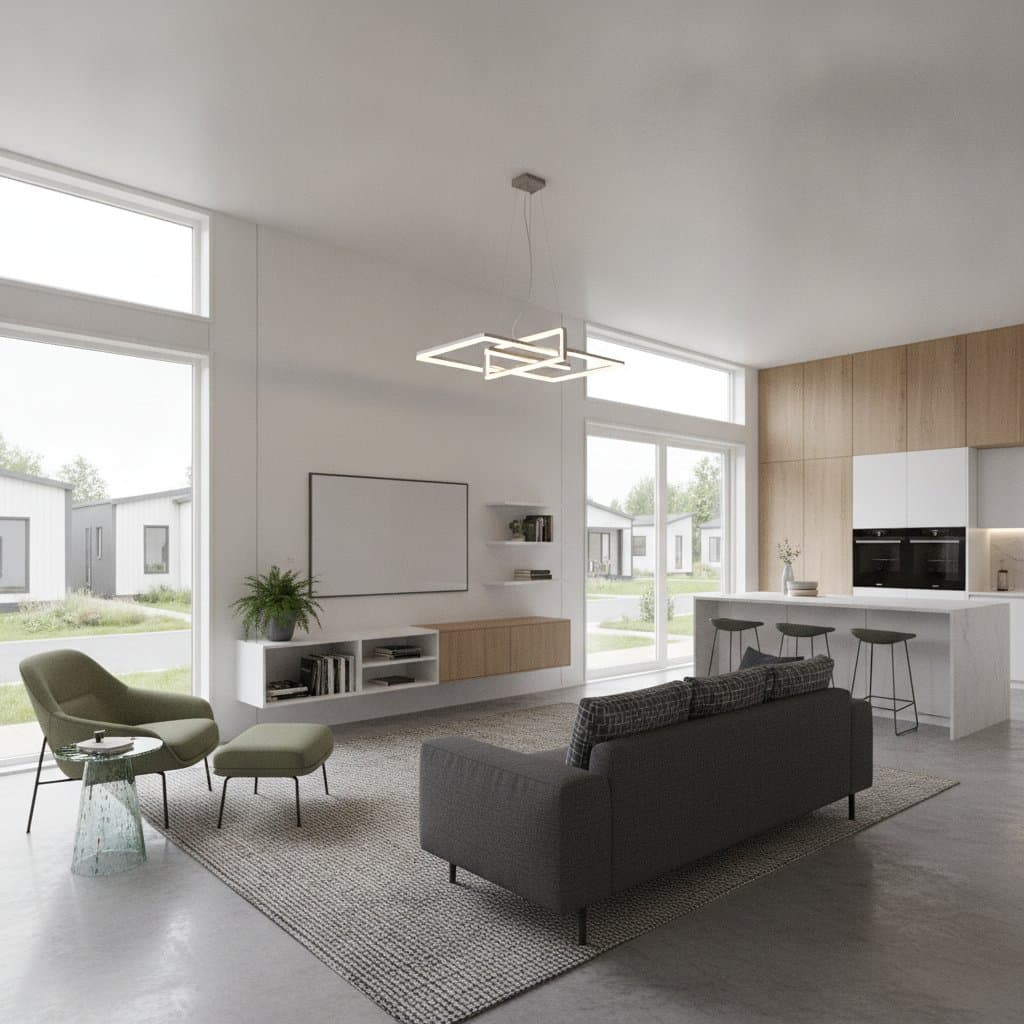
Premium constructions use standing-seam metal roofs, hardwood interiors, and smart home features, at $300 to $325 per square foot. Solar-ready wiring and advanced insulation cut energy use by 20 to 30 percent annually. Builders like Mighty Small Homes offer design consultations and lifetime structural warranties.
Complexity and Site Conditions
Site challenges can elevate costs by 15 to 40 percent. Sloped terrain demands grading, retaining walls, or foundation work. Restricted access requires cranes or modular assembly, adding $5,000 to $10,000.
Connecting to existing utilities eases installation, but new lines for sewer or electricity add $8,000 to $15,000. Local codes may mandate sprinklers or ADA-compliant features, expanding the project scope.
Urban areas such as Los Angeles and Seattle incur a 20 percent premium over rural locations due to elevated labor and permitting costs.
Service Types and Comprehensive Pricing
Basic and Standard Packages
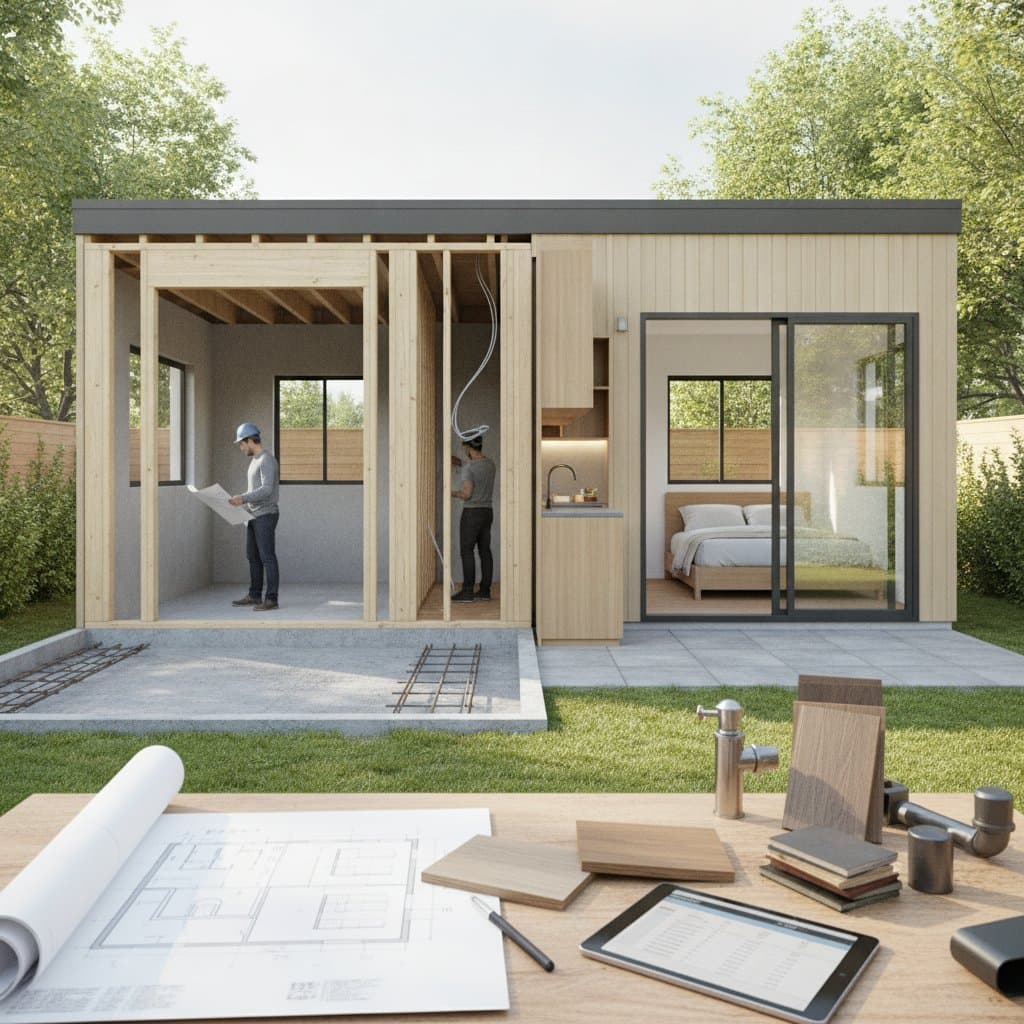
Standard packages encompass a prefabricated shell, framing, insulation, drywall, flooring, basic kitchen with cabinets and sink, full bathroom with shower, and utility hookups for electrical, plumbing, and HVAC.
These require 8 to 10 weeks for permits, site preparation, and installation. Costs range from $95,000 to $130,000, ideal for straightforward independent living without luxury elements.
Premium or Comprehensive Packages
Premium versions add superior materials, smart systems, and accessibility features like custom cabinetry, roll-in showers, and ramps. These enhance usability and appeal.
Prices rise 20 to 40 percent, reaching $150,000 to $185,000. Energy-efficient elements such as windows, solar panels, and low-flow fixtures reduce utilities by 25 percent yearly, recouping costs in about five years.
Providers like Prefab ADU and Connect Homes position these as complete elder care solutions, focusing on safety and resale potential.
Add-on Services and Bundled Savings
Optional enhancements improve functionality:
| Add-On Service | Average Cost | Bundle Savings |
|---|---|---|
| Solar panel integration | $8,000 to $12,000 | 10% with HVAC package |
| ADA accessibility design | $5,000 to $9,000 | 7% with premium model |
| Landscaping or fencing | $3,000 to $7,000 | 5% with driveway extension |
Coordinating services with one contractor yields 8 to 12 percent savings over separate hires.
Professional vs. DIY Approaches
DIY Cost Breakdown
A DIY approach cuts labor expenses but demands expertise and time. Materials including lumber, plumbing kits, insulation, and fixtures total $45,000 to $75,000. Tool rentals or purchases add $2,000 to $5,000.
Labor requires 500 to 700 hours. Time value, permit hurdles, and potential errors in wiring or foundations often diminish savings through repairs.
Professional Advantages
Contractors provide engineering knowledge, insurance, and quality controls. Their equipment shortens timelines by weeks. Warranties cover $10,000 to $20,000 in workmanship and materials.
Professionals manage permits and inspections for compliance and marketability. For most, this option ensures durability and minimizes issues, adding only 10 percent to costs when considering efficiencies.
Decision Framework
Opt for professionals if you lack carpentry or plumbing skills, prioritize resale, or face strict codes. Choose DIY for experienced builders with available time, tools, and customization goals. Assess budgets and schedules realistically.
Actionable Cost-Saving Strategies
Timing Optimization
Book during off-peak seasons to secure up to 15 percent labor discounts. Weekday scheduling may offer further reductions due to crew availability.
Smart Shopping Tactics
Obtain three or more quotes to reduce costs by 10 to 20 percent. Negotiate for 2 to 5 percent off through prepayments or cash. Buy appliances from warehouses to save $1,000 to $3,000.
Preparation Actions
Prepare the site by clearing vegetation, basic grading, or temporary fencing to cut prep fees by $500 to $2,000. Discuss access and delivery with contractors to avoid delays.
Market Dynamics and Considerations
Geographic Variations
Costs vary by location, with coastal cities 20 to 30 percent higher than rural areas. Specialist availability and zoning rules contribute to these differences.
Market Timing and Labor Trends
Lumber and steel fluctuations affect materials. Recent inflation and shortages have increased rates by 10 to 15 percent. Track trends to time projects advantageously.
Value Indicators
Quality granny pods boost resale by 15 to 25 percent. Efficient designs lower maintenance and bills, while offering rental or caregiving flexibility.
Steps to Secure Lasting Value
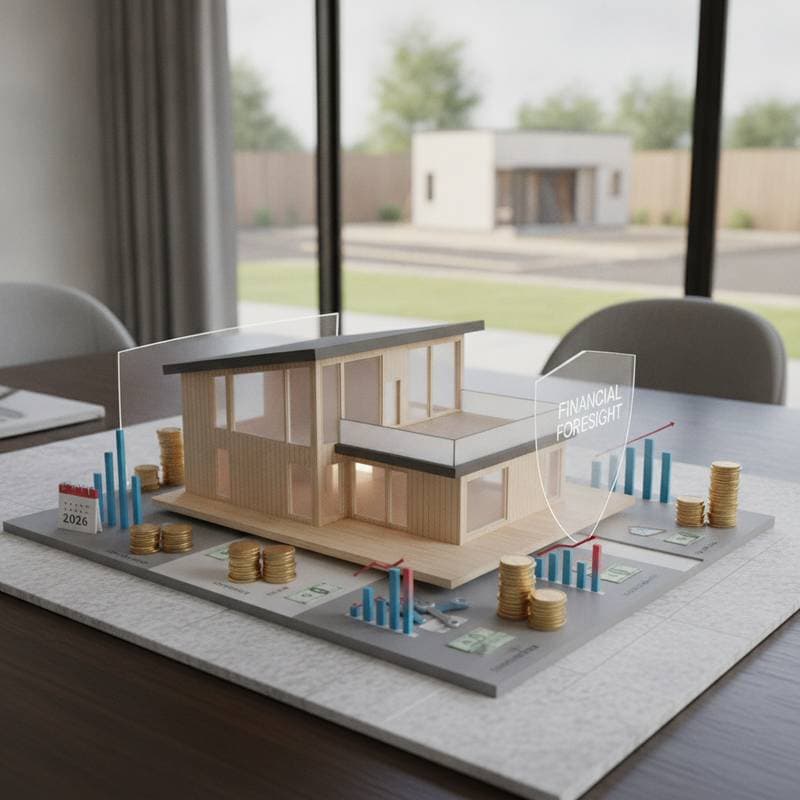
A backyard granny pod merges family support with financial benefits. Define needs first, then evaluate modular versus custom builds within budget. Secure detailed quotes covering permits, foundations, and utilities.
Schedule during low-demand periods and verify warranties. Through careful planning and expert input, this addition creates enduring utility and elevates home worth for future generations.