2026 Granny Pod Costs: Permits and Total Breakdown
Summary Box
National average cost: $148,000
Typical range: $95,000 to $240,000
Low end: $65,000 for a prefabricated unit with basic finishes
High end: $325,000 for a custom-built structure with premium features
Time to complete: 3 to 6 months
DIY or Pro: Pro build with limited DIY finish work
ROI or resale impact: 60% to 80% depending on local zoning and rental demand
Updated: March 2026
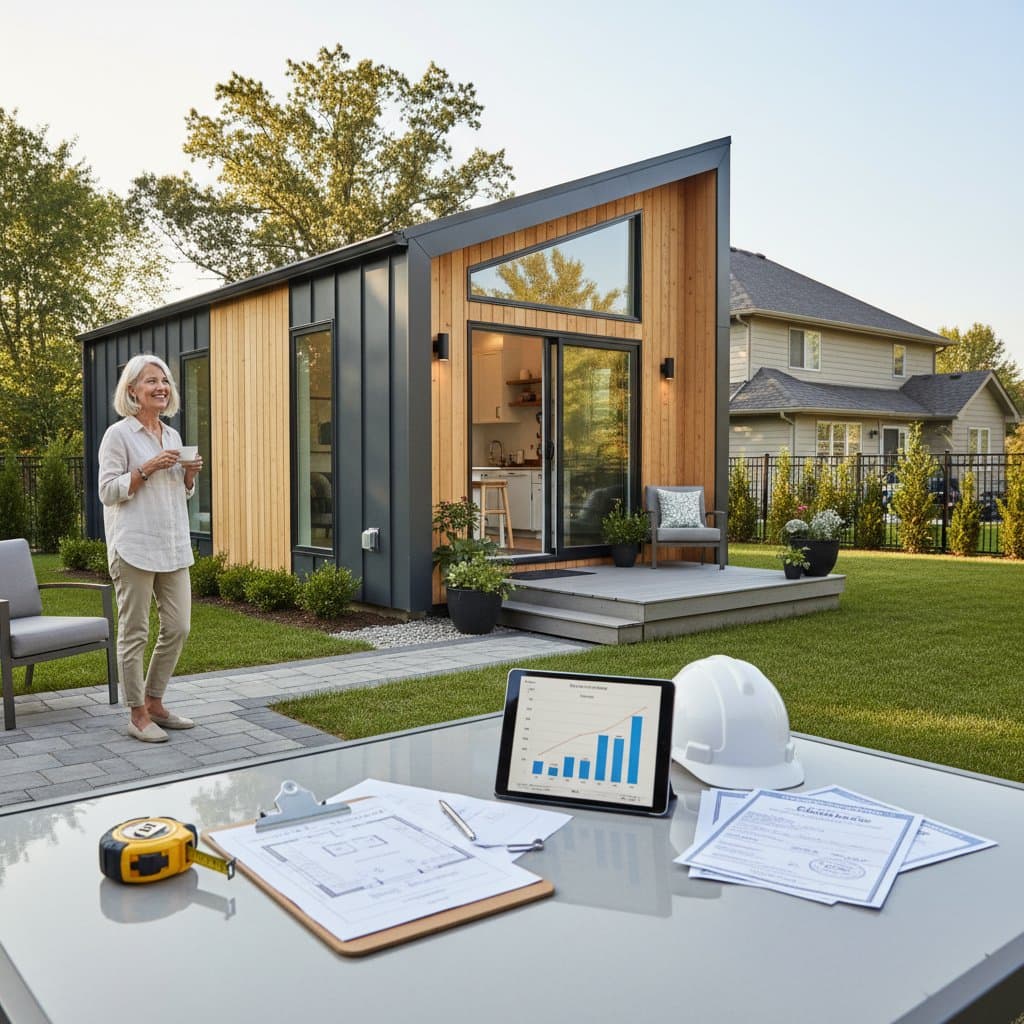
Granny pods, known also as accessory dwelling units or backyard cottages, provide an effective solution for housing extended family members while preserving personal space. These structures function as in-law suites, caregiver residences, or income-generating rentals. Expenses fluctuate based on dimensions, aesthetic choices, and municipal rules. Effective planning involves accounting for approvals, land preparation, infrastructure connections, and building phases.
Key Cost Factors
Scope and Size
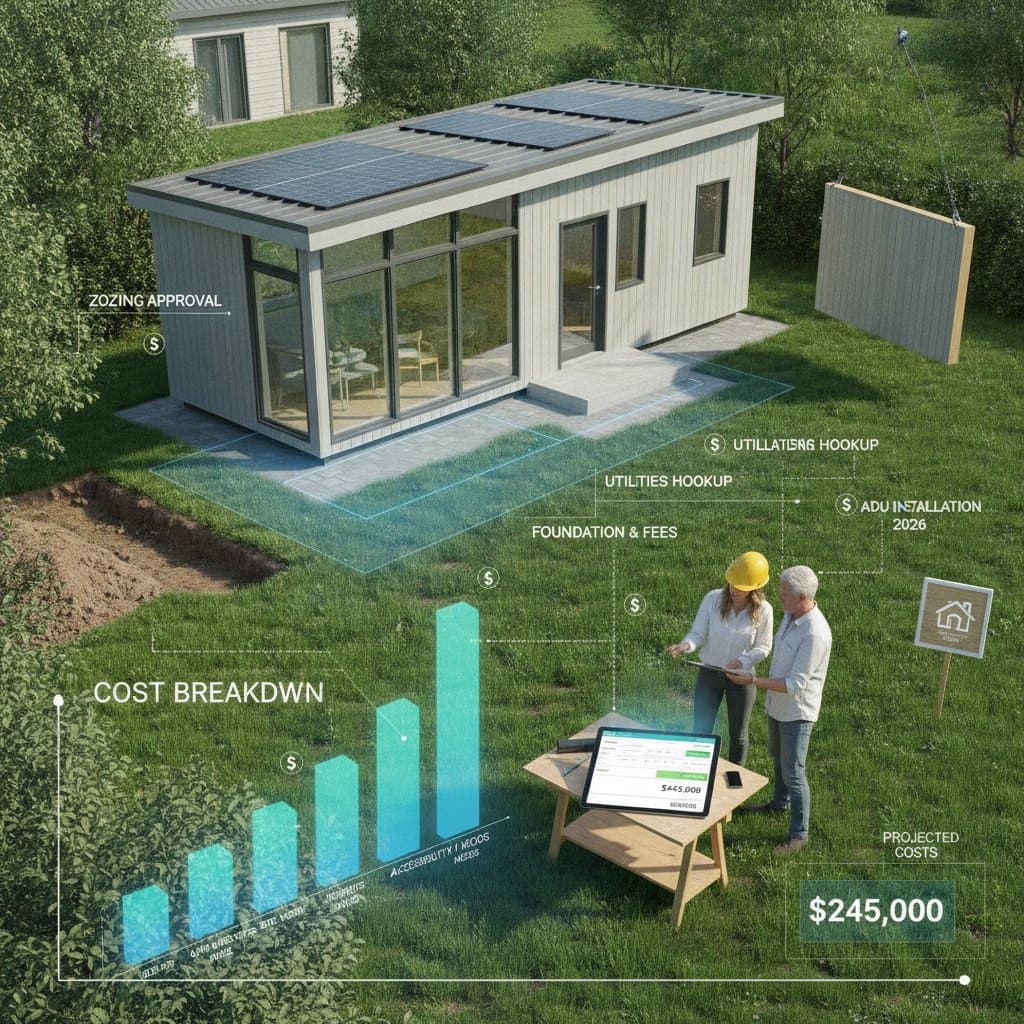
Standard granny pods measure 400 to 800 square feet. For a compact 400-square-foot model featuring one bedroom, a kitchenette, and a complete bathroom, expect expenditures of $95,000 to $130,000. Expanded designs incorporating two bedrooms or elevated ceilings escalate to $180,000 to $240,000. Each additional 100 square feet typically increases construction expenses by $12,000 to $18,000.
Material Quality and Finishes
Opting for vinyl siding, laminate floors, and standard cabinets maintains affordability. Upgrading to fiber cement siding, solid hardwood flooring, and bespoke woodworking elevates costs by at least $20,000. Incorporating energy-efficient windows or superior insulation with high R-values adds $3,000 to $6,000 upfront, yet these choices reduce long-term energy consumption and utility payments.
Site Preparation and Accessibility
Sites with level terrain and immediate utility hookups prove most economical. Challenging urban parcels, sloped ground, or extended utility lines demand extra excavation and piping, boosting costs by $5,000 to $15,000. Certain local authorities mandate independent driveways or emergency access routes, incurring further charges of $2,000 to $8,000.
Labor Availability and Timing
In densely populated urban centers, labor comprises 40% to 60% of the overall budget. Scheduling construction during quieter seasons may yield savings of 5% to 10%, provided contractors accommodate adjusted timelines.
Customization and Modifications
Elements like tailored cabinetry, barrier-free designs with zero-threshold showers, or ramps compliant with accessibility standards necessitate additional framing and piping. Post-approval alterations often lead to re-evaluation charges or plan revisions costing $500 to $2,000 each.
DIY Options Versus Professional Construction
Feasible Tasks for Skilled Homeowners
Experienced individuals can handle initial site clearing and minor grading using rented machinery. They may also manage painting, floor installation, trim detailing, landscaping, and exterior tidying. Permitted interior fixture setups fall within this scope as well. Completing these elements safely and adhering to codes can reduce outlays by $5,000 to $10,000.
Specialized Work Requiring Experts
Core structural framing and roofing demand professional oversight. Electrical systems, including wiring and panel integrations, require certified electricians. Plumbing extends beyond simple replacements to full installations. Heating, ventilation, and air conditioning setups, particularly ductwork, necessitate licensed HVAC specialists. Attempting these without proper credentials risks insurance invalidation and inspection failures.
Potential Hazards and Compliance Concerns
All granny pods must align with prevailing building and efficiency standards. Faulty electrical setups or inadequate gas venting pose risks of fires or toxic gas accumulation. Install ground-fault circuit interrupter outlets adjacent to water sources like sinks and showers. Adhere strictly to appliance guidelines for installation and exhaust systems.
Effects on Warranties
Manufacturers of prefabricated units generally stipulate professional assembly to uphold warranty terms. Retain documentation of all receipts and inspection outcomes, especially for integrations involving load-bearing elements or utilities.
Guide to Hiring Professionals or Incorporating DIY
Steps for Engaging a Contractor
- Clarify objectives. Determine the pod's purpose, whether for family lodging, caregiver support, or leasing, as this influences spatial arrangements, accessibility features, and material selections.
- Verify regulations. Consult the local planning office to ascertain setback distances, size limits, and parking mandates.
- Engage design professionals. Allocate 5% to 10% of the project budget for architectural services, including detailed plans, elevations, and submission-ready drawings.
- Solicit competitive quotes. Seek itemized proposals covering scope, hourly rates, and supply specifications from no fewer than three vetted contractors.
- Arrange funding. Consider home equity lines, specialized ADU loans, or refinance options to cover expenses.
- Acquire necessary approvals. File architectural submissions, cover evaluation fees, and arrange preliminary inspections prior to commencing work.
- Execute construction phases. Proceed through land preparation, base laying, skeletal erection, preliminary installations, thermal barriers, wall coverings, detailing, and grounds enhancement.
- Conduct closing reviews and certification. Authorities confirm adherence to safety protocols, structural integrity, and regulatory standards prior to habitation approval.
Standard Payment Milestones
Progress payments align with project benchmarks:
- 10% upon agreement execution
- 30% following base completion
- 30% after skeletal and initial systems
- 20% post-interior detailing
- 10% upon conclusive approval
Avoid advance full settlements. Withhold the concluding portion until all specified corrections receive verification.
Integrating Limited Self-Work
Confine personal efforts to aesthetic or peripheral activities such as surface treatments or yard improvements. Synchronize these with the primary team to prevent delays or compromise coverage terms.
Ongoing Upkeep and Durability
Routine Maintenance Practices
Examine roofing and drainage systems biannually. Replace air filtration units every three months. Verify functionality of fire alarms and gas sensors on a monthly basis. Ensure surrounding earth slopes outward from the foundation to divert moisture.
Identifying Typical Issues
Swollen doors or resistant windows often indicate base subsidence. Damp patches on interior walls suggest overhead or pipe breaches. Recurrent outlet disruptions signal electrical faults. Prompt intervention averts escalation to extensive fixes in framework or circuits.
Decisions on Fixes Versus Renewals
Asphalt roofing endures 20 to 25 years before replacement. Vinyl exteriors hold up for approximately 30 years. Internal devices require updates every 10 to 15 years. Refresh paint applications every seven years to sustain aesthetics and shield materials.
Realizing Your Granny Pod Vision
Investing in a granny pod enhances family bonds, supports caregiving needs, or generates steady income through rentals. By meticulously addressing costs, regulations, and construction details, homeowners achieve a durable, welcoming addition that boosts property value and lifestyle flexibility. Start with local consultations to tailor the project to your unique circumstances and ensure long-term satisfaction.