- Parking provisions: An extra off-street parking space is frequently required to handle increased vehicle traffic.
- Utility connections: Separate meters for water, electricity, or sewage may be necessary, with installation costs ranging from $2,000 to $8,000.
These guidelines promote orderly development and protect community standards. Variations exist; for example, urban areas might impose stricter density limits, while rural zones offer more flexibility.
Action step: Contact your city's planning department to inquire about accessory dwelling unit or secondary dwelling regulations. Request written documentation to guide your plans and avoid missteps.
Building Options: DIY Versus Professional Assistance
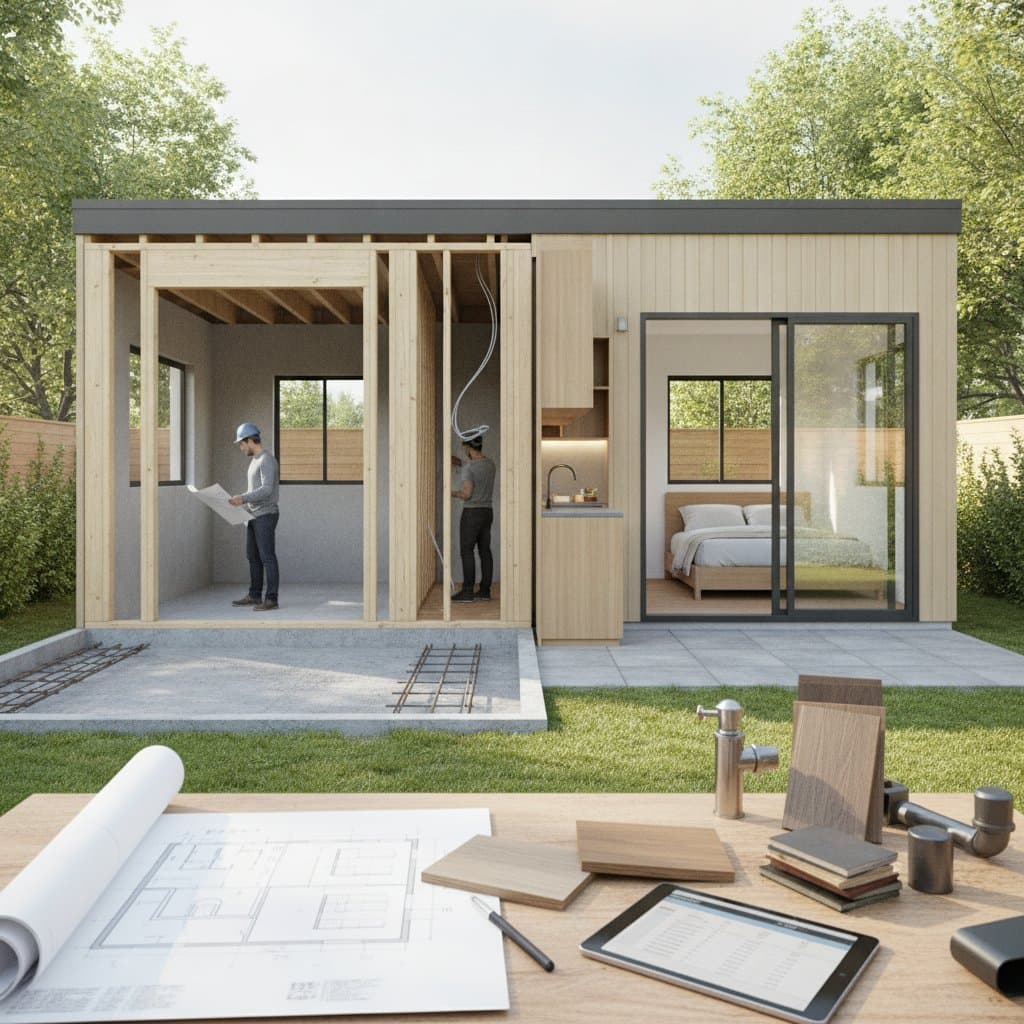
Constructing a granny pod involves decisions about labor and expertise. Prefabricated models arrive nearly complete, minimizing on-site work, while custom builds allow personalization but demand more oversight.
DIY potential: Individuals with moderate skills can manage certain phases, such as site preparation, interior painting, and landscaping. These tasks require tools like shovels, brushes, and basic power equipment, making them accessible for handy homeowners.
However, professional involvement is advisable for complex elements:
- Electrical wiring and plumbing installations, which demand certified expertise to meet safety codes.
- Foundation pouring and framing, ensuring structural integrity against weather and seismic activity.
- Roofing and structural connections, where precision prevents leaks or collapses.
- Full code compliance and inspection processes, avoiding rework that could double costs.
Skill assessment: Intermediate to advanced abilities suffice for DIY elements like installing flooring, adding trim, or applying interior paint. Allocate 40 to 60 hours for these, spreading work over weekends to maintain quality.
Professional recommendation: Engage a licensed contractor for any structural, electrical, or plumbing components. Errors here risk permit revocation, insurance issues, or hazardous conditions, potentially costing thousands in corrections.
Hiring pros streamlines the timeline, often completing the project in 8 to 12 weeks compared to 6 months for full DIY. Obtain quotes from vetted firms experienced in accessory units to balance cost and reliability.
Maintenance Strategies and Expected Lifespan
A well-maintained granny pod offers decades of reliable use, enhancing its value as a long-term investment. Prefabricated options utilize durable composite siding and engineered roofing, resisting wear better than traditional wood. Stick-built versions can mirror the main home's materials for seamless integration.
The structure's lifespan spans 25 to 50 years, influenced by climate, usage, and care routines. Harsh weather accelerates deterioration, so proactive measures extend usability and preserve aesthetics.
Implement this annual maintenance checklist:
- Examine the roof and gutters for signs of leaks or debris buildup, addressing issues promptly to prevent water damage.
- Repaint or reseal siding every 5 to 7 years to protect against moisture and UV exposure.
- Clean HVAC filters on a quarterly basis to maintain efficient heating and cooling.
- Inspect plumbing fixtures for slow leaks, tightening connections or replacing parts as needed.
- Test smoke and carbon monoxide detectors monthly, replacing batteries twice yearly for safety.
Consistent upkeep averts major repairs, such as foundation cracks or electrical faults, which might exceed $20,000. It also safeguards health and comfort for occupants, particularly those with mobility needs.
Advancing Your Granny Pod Project
Embarking on this endeavor requires methodical planning to achieve a successful outcome. Begin by confirming all regulatory hurdles, then align your vision with practical constraints.
Follow these steps:
- Review zoning and permits: Consult your local building department's guidelines for accessory dwelling units to identify any unique local stipulations.
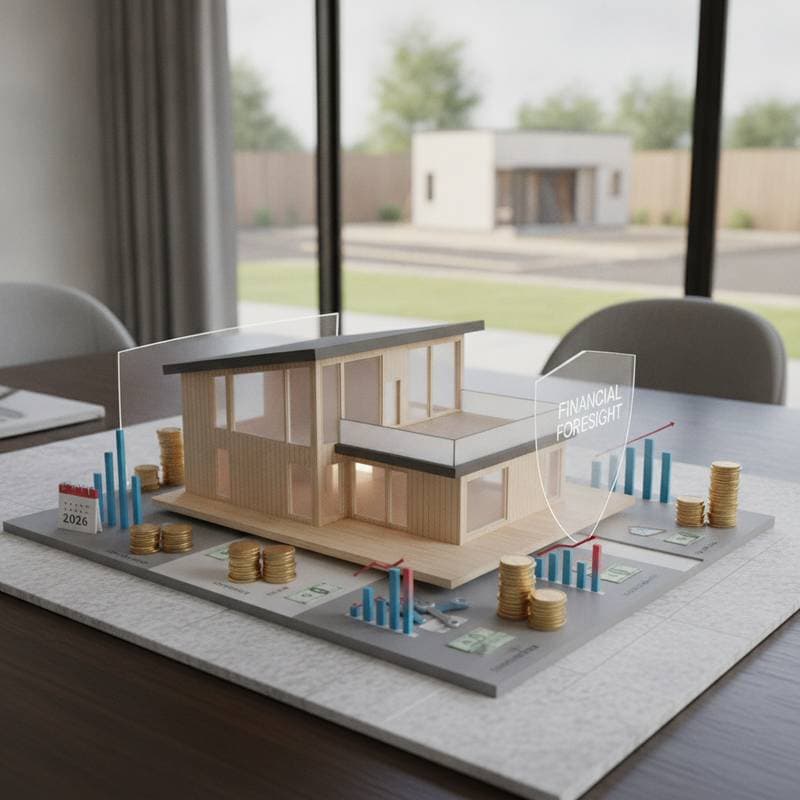
- Establish a budget: Factor in a 10 to 15 percent contingency for surprises like soil testing or material price fluctuations.
- Evaluate prefab versus custom builds: Select based on your timeline, aesthetic preferences, and site characteristics for optimal fit.
- Incorporate accessibility elements: Design with features like zero-step entrances and lever-style handles to support future needs.
- Solicit competitive bids: Gather proposals from at least three qualified contractors or prefab providers to secure fair pricing and expertise.
By addressing these elements, you create a space that fosters independence, strengthens family ties, and potentially increases your home's market appeal. The investment yields enduring benefits, from emotional support to financial returns.