Understanding Granny Flat Costs in 2026
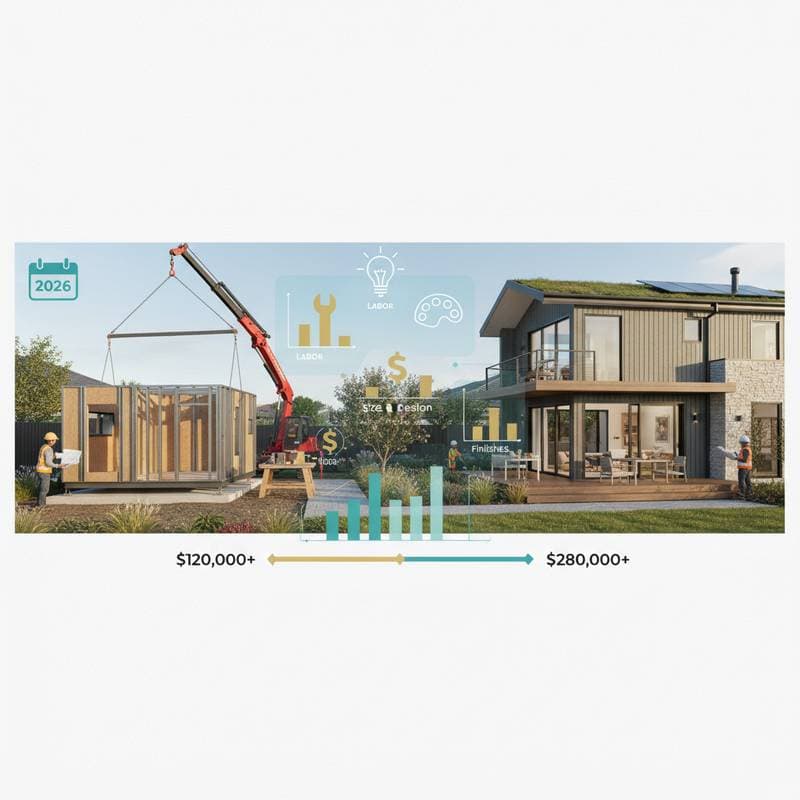
Granny flats, also known as accessory dwelling units, provide versatile living spaces in backyards or attached to primary homes. These structures accommodate aging parents, grown children, or rental tenants while enhancing property value. In 2026, costs vary widely based on location, specifications, and construction methods, typically spanning $120,000 to $280,000 for a complete build.
This range reflects differences in size, quality, and site preparation. Basic units start at the lower end, offering essential functionality without luxury features. Higher-end options incorporate advanced designs and premium materials, justifying the increased investment.
Planning requires careful consideration of local regulations and long-term benefits. Homeowners often recoup expenses through rental income or family support, making the project worthwhile despite upfront costs.
Key Cost Components
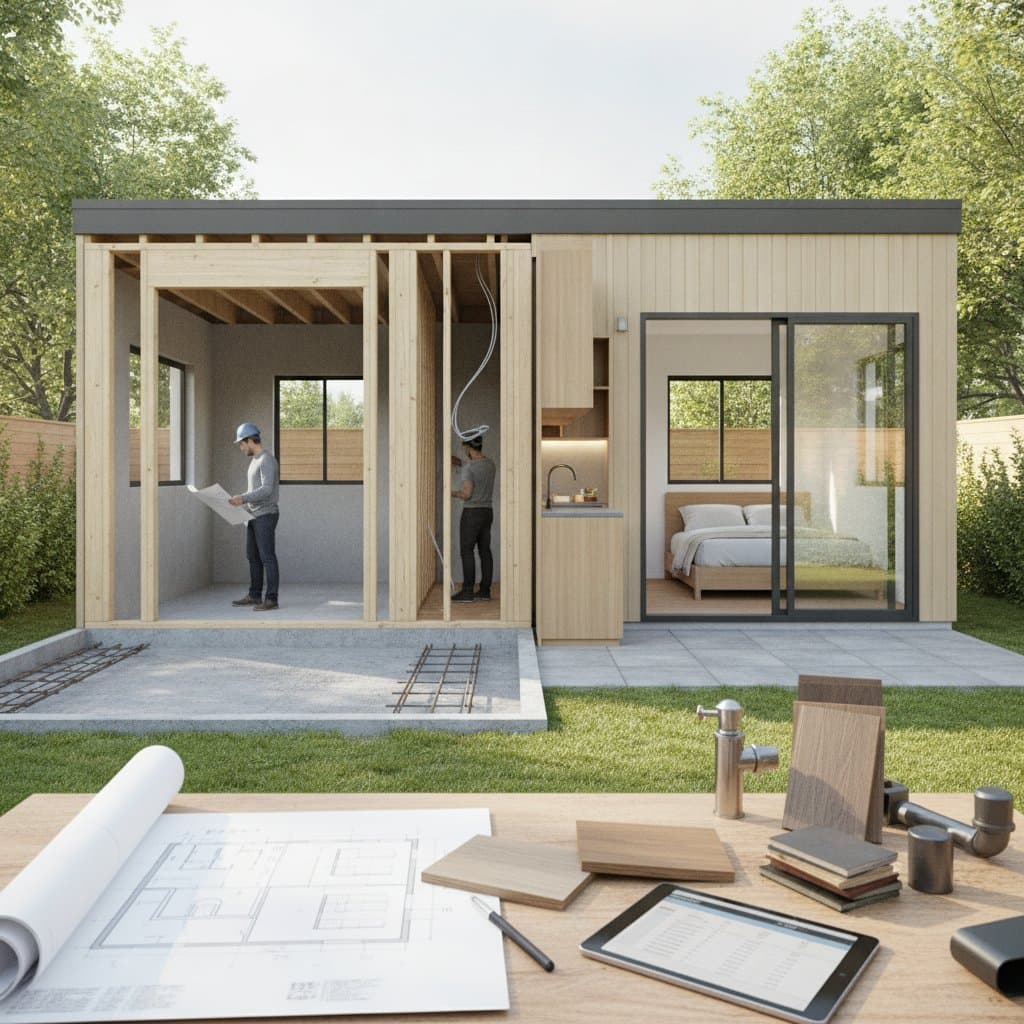
Site Preparation and Foundation
Preparation forms the groundwork for any granny flat project. Costs here include surveying the land, clearing vegetation, and grading the site to ensure stability. Expect to spend $5,000 to $15,000, depending on soil conditions and terrain challenges.
Foundation work dominates this phase. A concrete slab suits most flat sites and ranges from $8,000 to $20,000 for a 400 to 800 square foot unit. Elevated foundations, necessary in flood-prone areas, add $10,000 or more due to additional engineering.
Permits and inspections contribute another $2,000 to $5,000. Municipal requirements vary, so consult local building codes early to avoid delays and fines.
Structural Build and Materials
The core structure accounts for 40 to 50 percent of the total budget. Framing uses treated lumber or steel, costing $20,000 to $50,000 based on size and design complexity. Walls, roof, and exterior sheathing follow, with durable options like fiber cement siding adding longevity.
Roofing choices impact both cost and aesthetics. Asphalt shingles provide an economical choice at $5,000 to $10,000, while metal or tile roofs elevate expenses to $15,000 for better weather resistance.
Windows and doors enhance natural light and security. Energy-efficient models, such as double-glazed units, range from $5,000 to $12,000, balancing initial outlay with future utility savings.
Interior Finishes and Fixtures
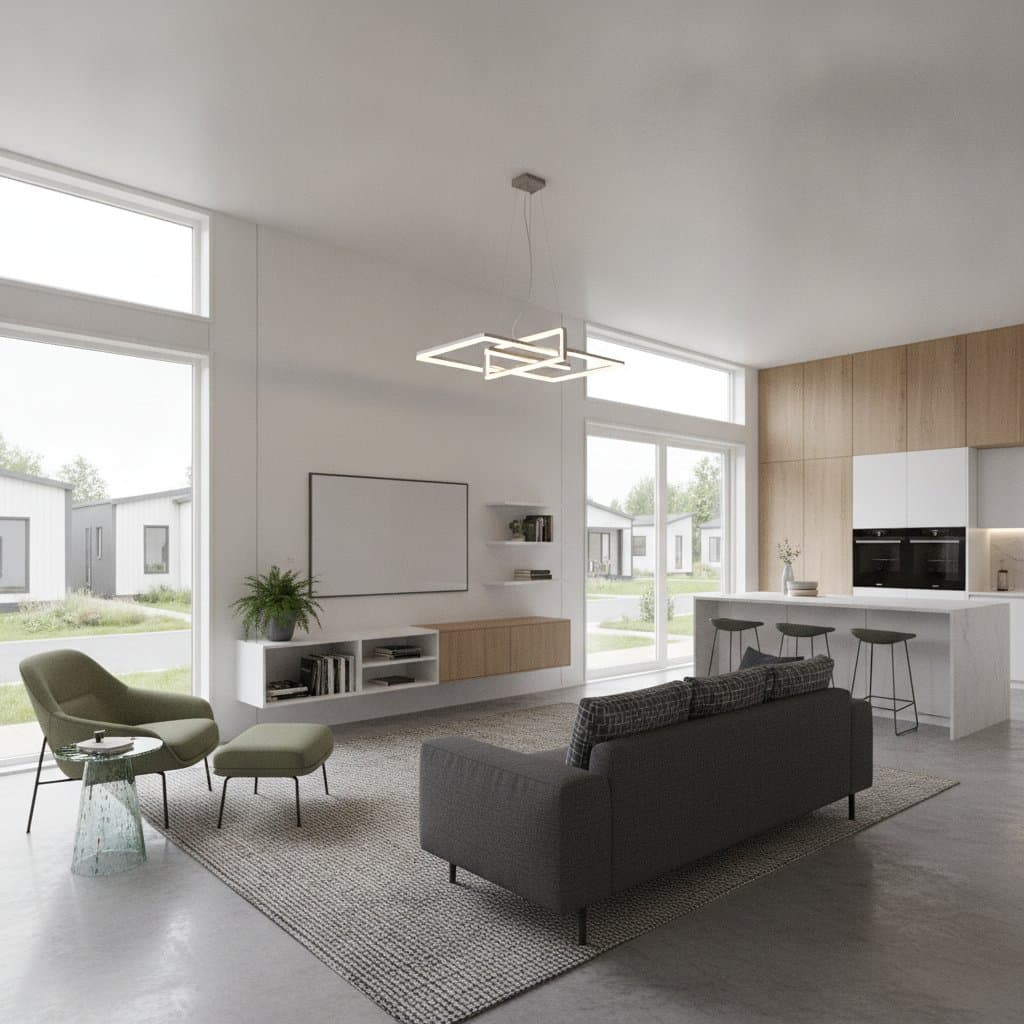
Interiors transform the space into a livable home. Drywall installation and painting cost $8,000 to $15,000 for standard setups. Flooring options vary: vinyl or laminate suits budgets at $3,000 to $7,000, whereas hardwood or tile pushes costs to $10,000.
Kitchen and bathroom essentials drive significant expenses. A compact kitchen with basic cabinets, appliances, and countertops totals $15,000 to $25,000. Bathrooms, including plumbing fixtures and tiling, add $10,000 to $20,000, with luxury selections increasing the figure.
Lighting and electrical outlets complete the setup. LED systems and smart controls cost $3,000 to $8,000, promoting efficiency and modern appeal.
Utilities and Infrastructure
Connecting utilities represents a critical yet often overlooked expense. Electrical wiring and panel upgrades range from $5,000 to $12,000, ensuring compliance with safety standards.
Plumbing for water supply and sewage ties into existing systems or requires new lines, costing $8,000 to $18,000. Septic systems, if municipal sewer access lacks, escalate to $20,000 or higher.
Heating, ventilation, and air conditioning systems maintain comfort. Ductless mini-splits offer an efficient solution at $4,000 to $10,000, ideal for smaller spaces.
Internet and other connections add minor costs but enhance usability for remote work or entertainment.
Factors Influencing Total Costs
Size determines the baseline expense. A 400-square-foot unit falls at $120,000, providing one bedroom and bath. Larger 800-square-foot models approach $280,000, accommodating multiple rooms and storage.
Location plays a pivotal role. Urban areas impose higher labor rates and material transport fees, adding 20 to 30 percent to rural builds. Zoning laws in coastal regions may require elevated designs, further inflating budgets.
Design complexity affects pricing. Simple rectangular layouts minimize costs, while multi-level or curved features demand custom engineering, increasing expenses by 15 to 25 percent.
Material quality scales with ambition. Builder-grade items keep projects affordable, but sustainable options like solar panels or recycled materials add $10,000 to $30,000 while qualifying for incentives.
Labor availability influences timelines and costs. Hiring licensed contractors ensures quality but commands $50 to $100 per hour, varying by region and expertise.
Prefab Versus Site-Built Options
Prefabricated granny flats streamline construction. Modules arrive pre-assembled, reducing on-site time to weeks and costs to $100,000 to $200,000. These units excel in efficiency, with factory-controlled quality minimizing errors.
Site-built alternatives allow full customization. Traditional methods suit unique lot shapes but extend timelines to 3 to 6 months and budgets to $150,000 to $280,000. Skilled builders craft tailored designs, integrating seamlessly with existing properties.
Attached granny flats, built onto garages or homes, save on foundations and utilities, trimming 10 to 20 percent from totals. Detached versions offer privacy but require independent infrastructure.
Compare both through detailed quotes. Prefab suits quick, budget-conscious projects, while site-built fits bespoke visions.
Strategies to Control Expenses
- Obtain multiple bids from reputable contractors to secure competitive pricing.
- Opt for modular designs that reduce labor and material waste.
- Incorporate energy-efficient features to lower long-term utility bills and access rebates.
- Handle minor tasks like painting or landscaping yourself, if skilled, to cut professional fees.
- Phase the project, starting with essentials and adding upgrades later.
- Research local grants for aging-in-place modifications or eco-friendly builds.
These approaches can shave 15 to 30 percent off estimates without compromising quality.
Project Timelines and Planning Steps
Timelines span 2 to 6 months, influenced by permits and weather. Prefab options accelerate to 4 to 8 weeks, ideal for urgent needs.
Begin with a feasibility assessment. Review zoning, budget, and design sketches to align expectations.
Secure financing early. Home equity loans or construction mortgages cover costs, with repayment supported by rental potential.
Engage professionals throughout. Architects refine plans, while engineers address site-specific issues.
Monitor progress with regular site visits. Address issues promptly to stay on schedule and budget.
Maximizing Value from Your Investment
A well-planned granny flat boosts property appeal and functionality. Rental yields of $1,000 to $2,000 monthly offset costs quickly in high-demand areas.
Family benefits include multigenerational living, fostering support networks. Customization ensures the space meets specific needs, from accessibility features to hobby areas.
Long-term, these units adapt to changing circumstances, providing flexibility and financial security. Invest thoughtfully to realize enduring returns.