Understanding Home Warranty Coverage for Solar Panels
Home warranties offer an additional layer of protection for solar energy systems, distinct from manufacturer warranties that typically span 10 to 25 years for panels and 10 years for inverters. These service contracts focus on repair or replacement of functional failures due to normal wear and tear. In 2026, as solar adoption grows, more providers extend coverage to renewable energy components, ensuring homeowners avoid unexpected expenses on high-cost repairs.
Coverage generally includes key parts like inverters, which convert solar energy into usable electricity, and electrical wiring connected to the home's panel. Some plans also protect mounting racks and charge controllers, though batteries for energy storage often require add-on endorsements. Homeowners benefit from this protection when systems experience breakdowns not caused by external damage, such as power surges or component aging.
Common Exclusions and Limitations
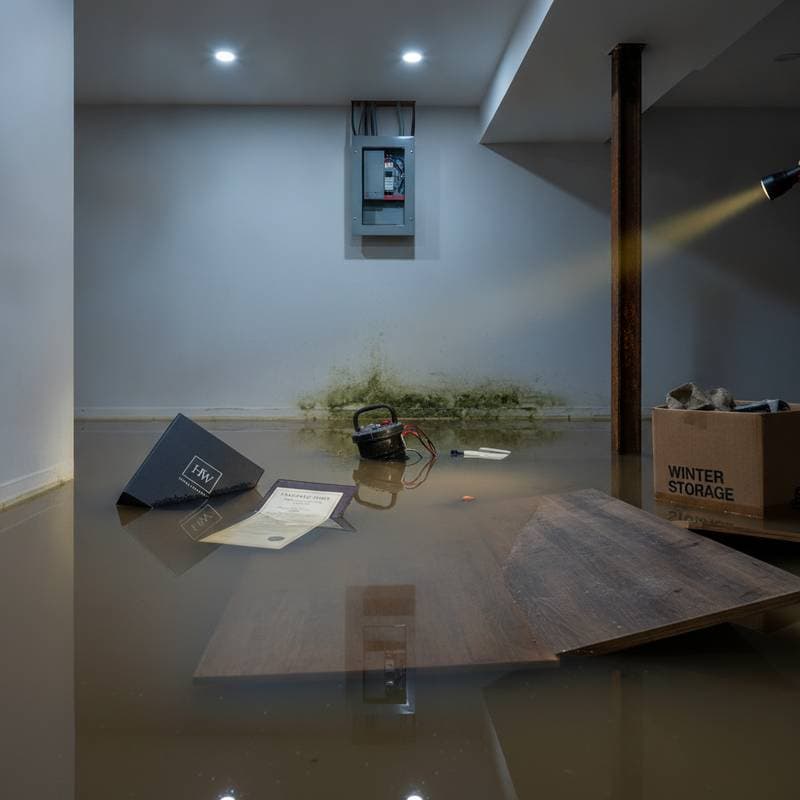
Not all solar-related issues qualify under home warranties. Providers frequently exclude damage from natural disasters, including hail, lightning, or flooding, which fall under homeowner insurance deductibles. Improper installation or modifications by unqualified technicians also void coverage, emphasizing the need for certified professionals during setup.
Theft, vandalism, or cosmetic damage to panels rarely receives reimbursement. Additionally, routine maintenance tasks, like cleaning or inspections, remain the homeowner's responsibility. Review policy fine print to identify caps on payouts, often ranging from $1,500 to $5,000 per claim, and service call fees that apply even for covered repairs.
Costs and Eligibility in 2026
Premiums for home warranties with solar add-ons typically range from $30 to $100 annually, added to base plans costing $400 to $800 per year. Eligibility requires a permanently installed system tied to the home's electrical grid, with proof of professional installation. In 2026, expect providers to demand system inspections within the past two years to activate coverage.
Factors influencing costs include system size, location, and provider. Larger arrays or off-grid setups may incur higher premiums due to increased repair complexity. Shop multiple quotes and consider bundling with whole-home coverage for discounts, ensuring the plan aligns with your solar system's specifications.
Actionable Steps to Secure Coverage
Start by inventorying your solar components and noting serial numbers for easy claims processing. Contact providers like American Home Shield or Choice Home Warranty, which offer solar endorsements, and request detailed coverage summaries. Compare at least three options based on claim limits, response times, and customer reviews.
Schedule an annual professional inspection to verify system integrity and maintain eligibility. Document all maintenance records, as they support claims and prevent disputes. If adding coverage post-installation, submit photos and installer certifications promptly to avoid delays.
Maintenance, Care, and Lifespan
Regular upkeep extends solar panel performance and minimizes warranty claims. Clean surfaces once or twice yearly using soft brushes and water to remove dust, pollen, or bird droppings that reduce efficiency by up to 20 percent. Inspect connections quarterly for corrosion or loose fittings, especially in humid climates.
Monitor inverter performance through dedicated apps or displays each month, watching for error codes or output declines below 90 percent of rated capacity. With diligent care, solar panels endure 25 years or longer, while inverters last 10 to 15 years. Proactive habits lower service fees and ensure smooth operation, preserving your investment's value.
Regional or Climate Considerations
Adapt warranty choices to local conditions for comprehensive protection. In snowy regions, select plans covering freeze damage to wiring or mounting hardware, as ice buildup can strain connections. Coastal areas prone to salt corrosion benefit from policies addressing environmental wear on electrical components.
For dusty deserts or storm-frequent zones, prioritize inclusions for wind-driven debris impacts or sand abrasion on panels. Verify if the provider operates in your state, as regulations vary; for instance, California mandates specific renewable coverage disclosures. Tailor selections to forecast long-term risks based on weather patterns.
Frequently Asked Questions
Do home warranties cover roof leaks from solar panels?
No, roof penetration leaks typically require separate roofing warranties or homeowner insurance claims. Solar-specific plans focus on electrical and mechanical failures, not structural issues.
Can I buy solar coverage after installation?
Yes, most providers allow post-installation add-ons, provided you supply proof of certified installation and a current system inspection report dated within 12 months.
What happens if my inverter fails?
Covered failures prompt repair or replacement, with the warranty handling parts and labor costs up to policy limits. Uncovered replacements average $1,000 to $2,500, depending on capacity and brand.
Are ground-mounted systems covered?
Yes, if permanently wired to the home's electrical system, ground mounts qualify similarly to rooftop setups. Confirm with the provider, as portable or temporary installations often exclude.
Protecting Your Solar Investment Long-Term
Home warranties safeguard against repair disruptions, maintaining energy independence and financial stability. Regularly evaluate your policy as technology evolves, adjusting for new components like advanced batteries. By staying informed and proactive, homeowners maximize returns on solar systems while minimizing risks.