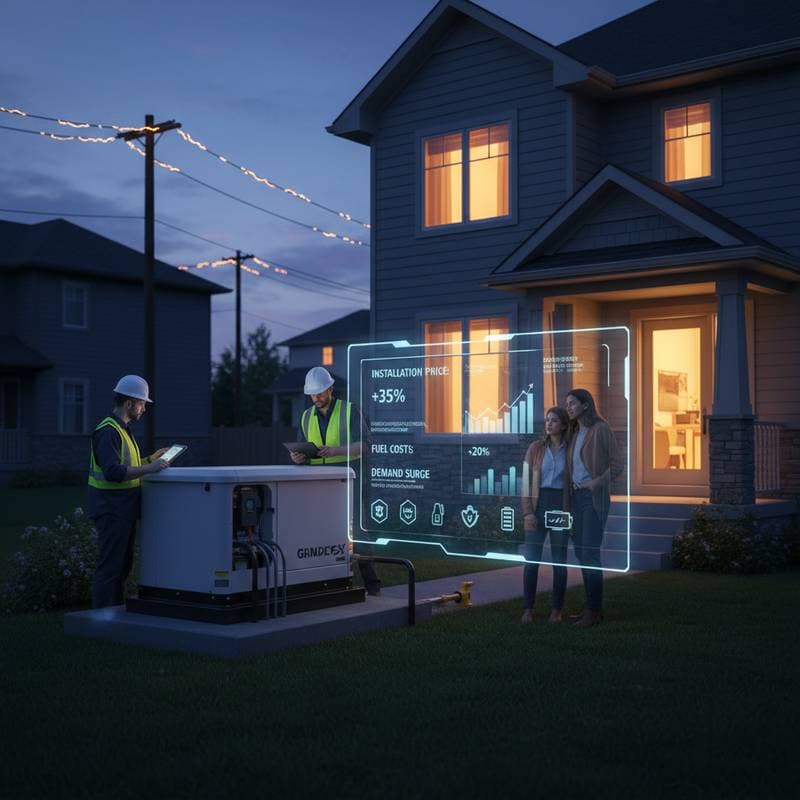
2026 Generator Costs Surge Amid Grid Instability
Quick Take
- Prices for whole home generators increase as grid reliability declines across regions.
- Shortages in equipment and elevated fuel expenses contribute to steeper installation estimates.
- Informed purchasers evaluate fuel varieties, warranty coverage, and ongoing maintenance requirements prior to purchase.
What It Is
A whole home generator serves as a stationary backup power unit that activates automatically upon grid interruption. This system sustains operation of heating, ventilation, and air conditioning units, refrigerators, and essential electrical circuits throughout an outage. Connected to natural gas or propane supplies, it provides reliable electricity until utility service resumes.
Such generators integrate seamlessly with home electrical systems via a transfer switch, ensuring seamless power transition without user intervention. Models vary in capacity, typically ranging from 10 to 20 kilowatts, to match household energy demands.
Pros and Cons
Pros
- Maintains functionality of critical home systems during extended blackouts.
- Prevents damage from frozen plumbing and spoilage in refrigeration units.
- Initiates operation automatically, eliminating the need for manual intervention.
- Enhances real estate value and attracts prospective buyers seeking resilient properties.
Cons
- Involves substantial initial expenses for acquisition and professional installation.
- Demands periodic servicing and a dependable fuel source to operate effectively.
- Requires adequate outdoor space, proper ventilation, and adherence to building codes.
- Often necessitates obtaining permits and undergoing official inspections prior to use approval.
When to Use It or When It Fails
Use It When
- Residence experiences recurrent power disruptions or operates in areas with vulnerable grid infrastructure.
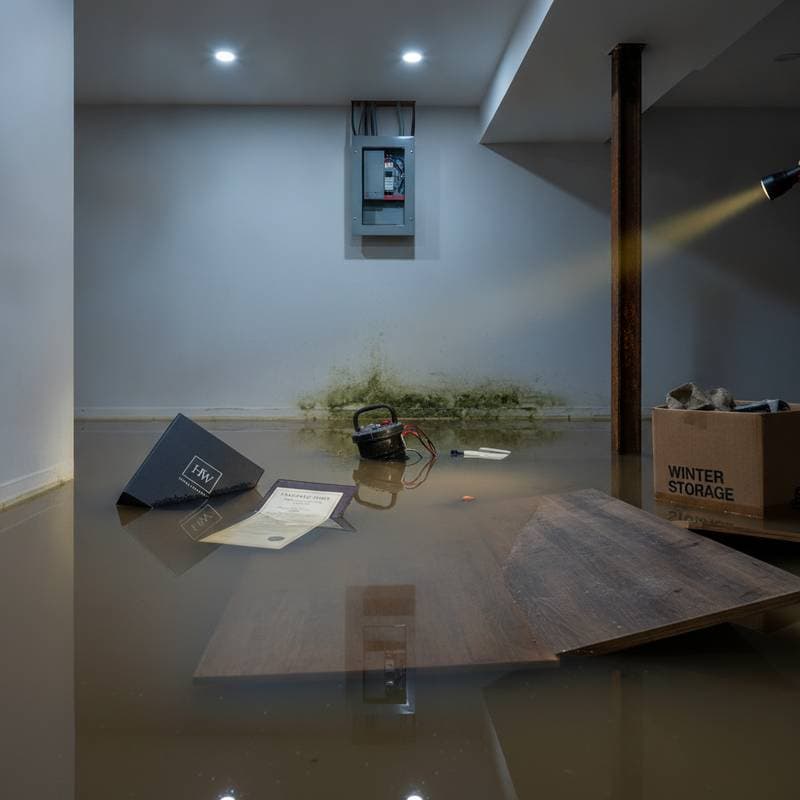
- Essential devices, such as medical apparatus or sump pumps, require uninterrupted electricity.
- Remote work or home-based operations depend on consistent power availability.
It Fails When
- Fuel supply lines experience freezing or depletion during prolonged cold weather.
- The automatic transfer switch encounters mechanical or electrical issues.
- Generator capacity proves insufficient to handle the full electrical load of the household.
Regular testing mitigates these risks, but environmental factors like extreme weather can still pose challenges.
Step-by-Step
Tools and Materials
- Leveling tool, shovel, concrete mix for pad foundation, pipe wrench, electrical conduit materials, fuel line assembly kit, and voltage testing device.
Time: Approximately two to three days for complete setup.
Difficulty: Moderate to high, depending on electrical and plumbing familiarity.
- Prepare the Site. Select a stable, well-ventilated location positioned at least five feet away from entry doors, windows, and combustible structures to comply with safety standards.
- Construct the Foundation. Form a concrete pad sized to the generator's base dimensions, ensuring it remains level. Allow sufficient curing time, typically 24 to 48 hours, before proceeding.
- Connect the Fuel Supply. Link the unit to a propane tank or natural gas line in accordance with local regulations. Always isolate the primary fuel valve before commencing any connections.
- Install the Transfer Switch. Position this component adjacent to the main electrical panel, ensuring its amperage rating aligns with the generator's output specifications.
- Route the Electrical Wiring. Employ protective conduit to secure all wiring paths from the generator to the transfer switch. Confirm proper grounding using a multimeter or voltage tester.
- Conduct Initial Testing. Simulate a grid outage to verify automatic engine startup and monitor output for stable voltage levels across connected circuits.
- Finalize Inspections and Documentation. Record details including fuel type, protected circuits, and emergency response information. Schedule a professional review if required by code.
These steps assume basic mechanical skills; deviations may extend timelines or necessitate expert assistance.
Costs
The standard installed price range spans from $7,000 to $15,000, influenced by system size and site conditions.
Factors elevating expenses include larger residential footprints requiring higher-capacity units, extended fuel line distances, premium high-efficiency engines, or intricate transfer switch configurations.
Opportunities for cost reduction arise with compact systems suited to modest homes, minimal fuel routing needs, or pre-configured outdoor electrical panels.
Opt for full replacement over repairs if engine components fail or if repair expenditures surpass 50 percent of a comparable new system's value, as longevity improves with modern units.
DIY vs Pro
Certain tasks suit DIY efforts, such as site clearing, pad pouring, and initial conduit placement, provided tools and safety gear are available.
Engage a licensed professional for fuel line integrations or connections to the primary electrical panel, as these involve regulated procedures and mandatory inspections.
Professionals distinguish their work through permit acquisition, precise load balancing assessments, and verification of optimal gas pressure to ensure system efficiency and compliance.
Hiring experts minimizes risks like gas leaks or electrical hazards, often justifying the added investment through enhanced reliability.
Maintenance or Prevention
Perform servicing every six months to uphold performance standards.
Key activities include operating the generator under simulated load conditions, replacing oil and air filters as needed, and examining all electrical and fuel connections for wear or corrosion.
These practices yield dependable ignition and consistent voltage delivery during actual outages. Maintain clear access around the unit to facilitate airflow and routine safety evaluations.
Document each session with logs of oil levels, runtime hours, and any anomalies to predict and prevent future issues.
Alternatives
- Portable Generator. Offers lower upfront costs but demands manual positioning, fueling, and connection to specific outlets, supporting fewer circuits simultaneously.
- Battery Backup System. Operates silently with zero emissions, ideal for short-term needs, though runtime limits it to hours rather than days.
- Hybrid Solar Setup with Storage. Reduces reliance on the grid through renewable integration, yet involves significant initial outlays for panels and batteries.
Each option balances cost, convenience, and capacity based on outage frequency and household priorities.
FAQs
Does it raise insurance rates? In most cases, no increase occurs, although certain providers mandate documentation of professional installation to qualify for coverage.
Can it power an entire house? Affirmative, provided the unit's kilowatt rating matches or exceeds the home's peak electrical demand.
How long does it last? Expect 10 to 15 years of service with diligent maintenance, though heavy usage may shorten this span.
Securing Reliable Power
Frequent outages in your locale warrant obtaining estimates from at least two certified installers. Request detailed load analyses and documented fuel specifications to inform decisions. Prioritize comprehensive warranties and structured maintenance agreements alongside total costs. Investing in a generator safeguards home operations and resident well-being when utility infrastructure falters.