Costs to Convert a Garage or Attic into a Home Office
Quick Overview
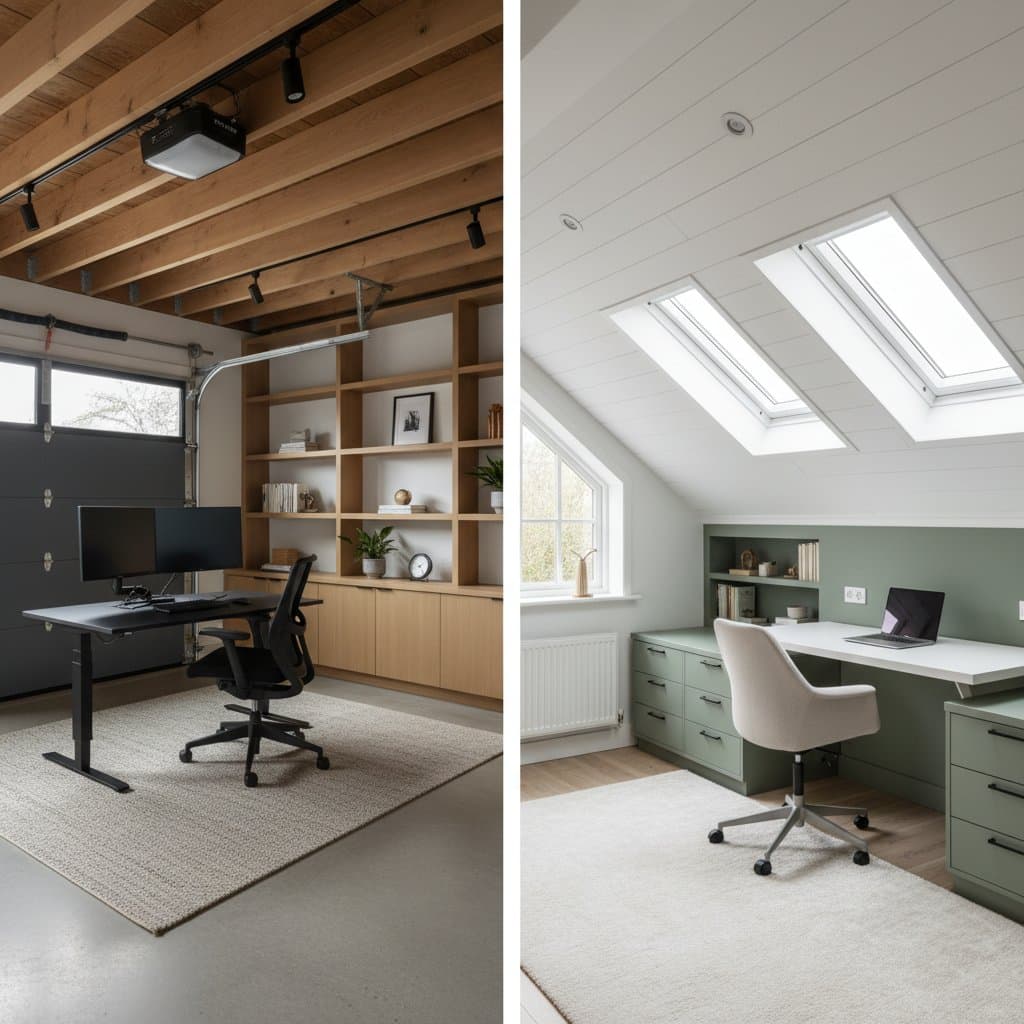
Converting a garage or attic into a dedicated home office involves expenses that vary widely based on the project's scope, location, and required modifications. Basic conversions might start at lower amounts for minimal changes, while comprehensive remodels demand higher investments for comfort and functionality.
- Garage conversions generally range from $6,000 to $25,000, covering essentials like insulation and basic electrical work.
- Attic remodels often cost between $10,000 and $40,000 due to steeper structural and access challenges.
- Major budget drivers include electrical upgrades, heating, ventilation, and air conditioning systems, plus insulation to maintain consistent temperatures.
These figures account for average-sized spaces of 200 to 400 square feet. Larger areas or premium finishes can push costs higher, so early planning helps control expenditures.
Advantages and Disadvantages
Advantages
Transforming unused spaces like a garage or attic provides practical benefits for modern work-from-home lifestyles. These conversions maximize existing home features without the need for costly additions.
- Increases usable living area by repurposing underutilized square footage, creating a dedicated workspace without altering the home's exterior.
- Enhances property resale value when completed to local building codes and integrated seamlessly with the home's overall design.
- Offers seclusion and reduces distractions from family routines, fostering focus and productivity in a private setting.
Homeowners often report improved work-life balance after such projects, as the office becomes a distinct zone separate from living areas.
Disadvantages
While rewarding, these projects present challenges that require careful consideration. Potential drawbacks can affect daily convenience and long-term home utility.
- Expenses escalate quickly if extensive work on heating, ventilation, air conditioning, insulation, or load-bearing structures proves necessary.
- Reduces available storage or vehicle parking, which may inconvenience households reliant on these functions.
- Local regulations often mandate permits, inspections, and professional oversight, adding time and fees to the process.
Addressing these issues upfront through thorough assessments minimizes surprises and ensures the project aligns with household needs.
Step-by-Step Guide to Planning Your Conversion
Essential Tools and Materials
Gather these items to support the conversion process effectively. Quality selections contribute to durability and safety.
- Tape measure and stud finder for accurate planning and installation.
- Insulation materials, drywall sheets, electrical wiring, outlets, and lighting fixtures.
- Flooring options such as vinyl planks, carpet tiles, or engineered hardwood, plus paint, trim molding, and heating, ventilation, and air conditioning components.
Timeline and Complexity
Most projects span 2 to 6 weeks, depending on the extent of modifications and whether professionals handle specialized tasks. The difficulty level ranges from moderate for cosmetic updates to high for structural alterations, requiring skills in carpentry, electrical, and plumbing.
-
Conduct a Thorough Inspection and Measurement. Examine the space for moisture issues, pest infestations, and structural integrity. Confirm ceiling heights meet minimum code requirements, typically 7 feet, and evaluate floor load capacity to support office furniture and equipment.
-
Design the Layout. Sketch the room arrangement, positioning the desk for natural light, and plan locations for power outlets, task lighting, and storage units. Consider ergonomics to promote comfort during extended work sessions.
-
Install Insulation. Apply materials rated R-13 or higher for walls and R-30 or higher for ceilings to regulate temperature and reduce noise. Fiberglass batts or spray foam work well in these often-exposed areas.
-
Upgrade Electrical Systems. Add at least two dedicated 20-amp circuits to power computers, printers, and other devices, ensuring outlets are spaced every 6 feet along walls. Consult local codes for grounding and circuit breaker specifications.
-
Integrate Heating, Ventilation, and Air Conditioning. Extend central ducts from the main home system or install a ductless mini-split unit for efficient climate control. Proper ventilation prevents moisture buildup and maintains air quality.
-
Apply Drywall and Finishes. Hang and secure drywall panels, then tape seams, sand surfaces, and apply primer followed by two coats of low-VOC paint for a professional appearance.
-
Install Flooring and Trim. Level the subfloor if uneven, then lay resilient flooring that withstands foot traffic. Finish with baseboards and crown molding to blend with adjacent rooms.
-
Test for Optimal Comfort. Verify even heating, adequate illumination from overhead and task lights, and soundproofing measures like acoustic panels to minimize external noise.
Professional Tip
In garages or attics above unconditioned areas, place a vapor barrier beneath the flooring to block moisture migration, preventing mold and preserving material integrity over time.
DIY Options Versus Professional Assistance
Tasks Suitable for DIY
Homeowners with basic skills can manage certain elements to save on labor costs. These activities focus on non-structural improvements.
- Painting walls and ceilings for a fresh look, selecting neutral tones that enhance focus.
- Laying flooring and installing trim, ensuring proper alignment with a level tool.
- Mounting light fixtures or simple outlets, provided you possess relevant experience and obtain necessary local permissions.
Always prioritize safety by turning off power sources during electrical work and using protective gear.
When to Hire Professionals
Complex elements demand expert intervention to ensure compliance and longevity. Delaying professional input can lead to costly corrections.
- Any modifications involving structural reinforcements, roof adjustments, or load-bearing changes.
- Installation of new electrical circuits, plumbing lines, or heating, ventilation, and air conditioning integrations.
- Situations requiring building permits, zoning approvals, or final inspections.
Professionals deliver expertise in code adherence, airtight insulation sealing, and precise load calculations. Their involvement safeguards against safety hazards and preserves the home's market value.
Alternative Home Office Solutions
Basement Workspace
This option suits homes with finished or unfinished basements offering straightforward utility access. Conditioning the space proves more affordable than upper-level conversions, though natural light may remain limited, creating a more enclosed atmosphere.
Repurposed Spare Bedroom
The simplest choice for those with extra rooms, involving minimal expense for furniture rearrangement and minor updates. It provides quick usability but offers less isolation from household noise compared to dedicated conversions.
Backyard Shed Office
A detached structure ideal for those seeking maximum separation from the main house. It requires independent electrical runs and insulation but allows customization and expands outdoor living options.
Each alternative carries unique trade-offs in cost, privacy, and setup time, so evaluate based on your property's layout and work preferences.
Essential Actions to Launch Your Project
Establish a detailed budget that allocates funds for inspections, materials, and potential contingencies. Assess whether your chosen space complies with codes for egress, ventilation, and accessibility to avoid delays. Obtain quotes from at least two licensed contractors to compare approaches and pricing. Prioritize investments in insulation, electrical infrastructure, and heating, ventilation, and air conditioning for a durable, comfortable office. This strategic conversion delivers a tailored professional haven that boosts productivity while enhancing your home's overall appeal.