
Articles tagged with home-office-conversion
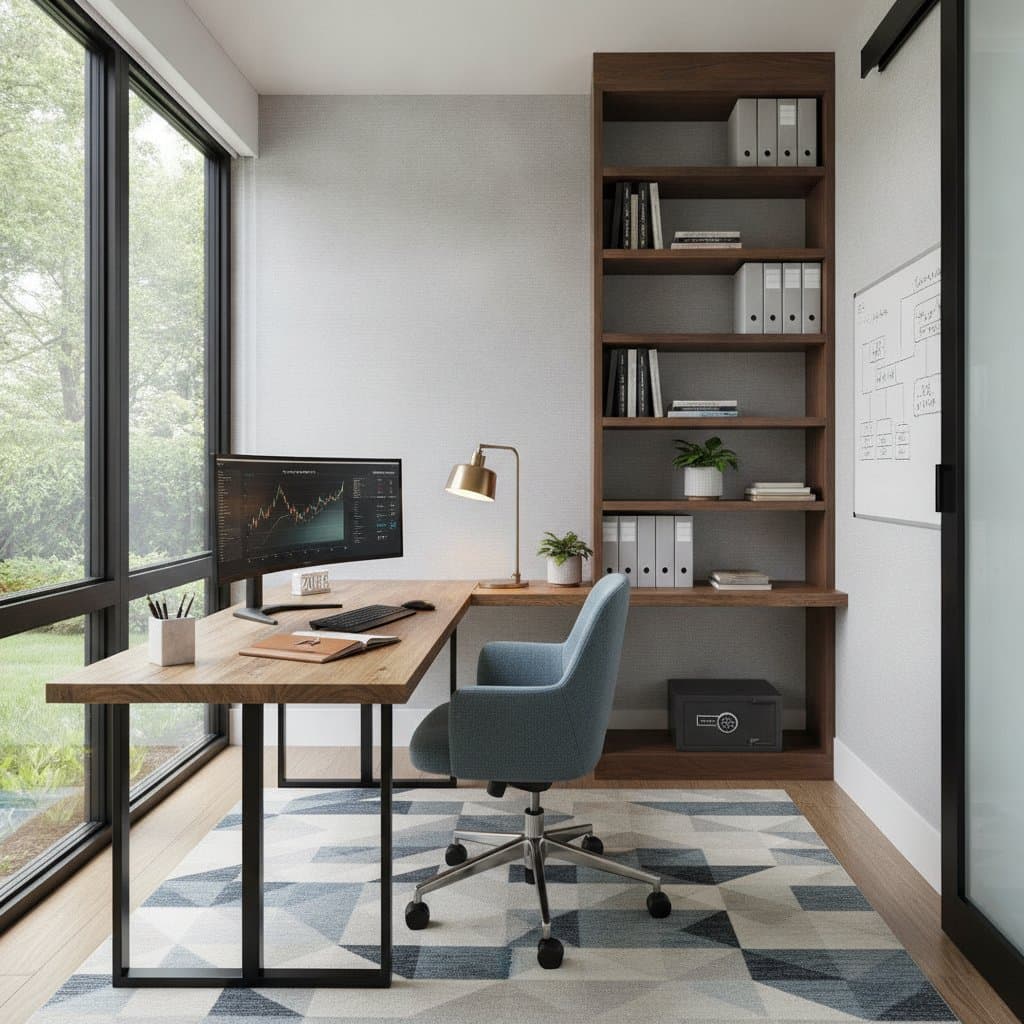
Converting a room into a home office may offer tax savings, but eligibility depends on self-employment, regular exclusive use, documented expenses, and income limits. Compare simplified and actual methods, separate repairs from improvements, allocate shared costs, and preserve detailed records. Before spending, weigh deductions, depreciation, financing, and future sale consequences carefully.
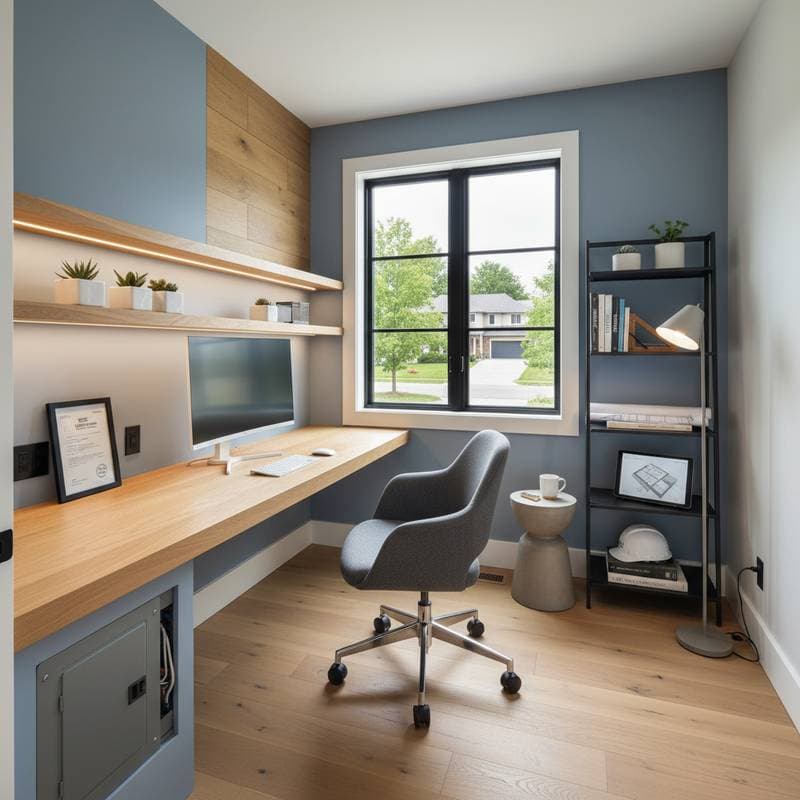
Transforming a room into a code-compliant home office in 2026 demands careful planning, permits, and budgeting. Costs range from $3,000 to $25,000, depending on complexity. Learn when DIY works, when to hire pros, and how zoning, inspections, and smart design choices can maximize comfort, safety, and long-term property value.
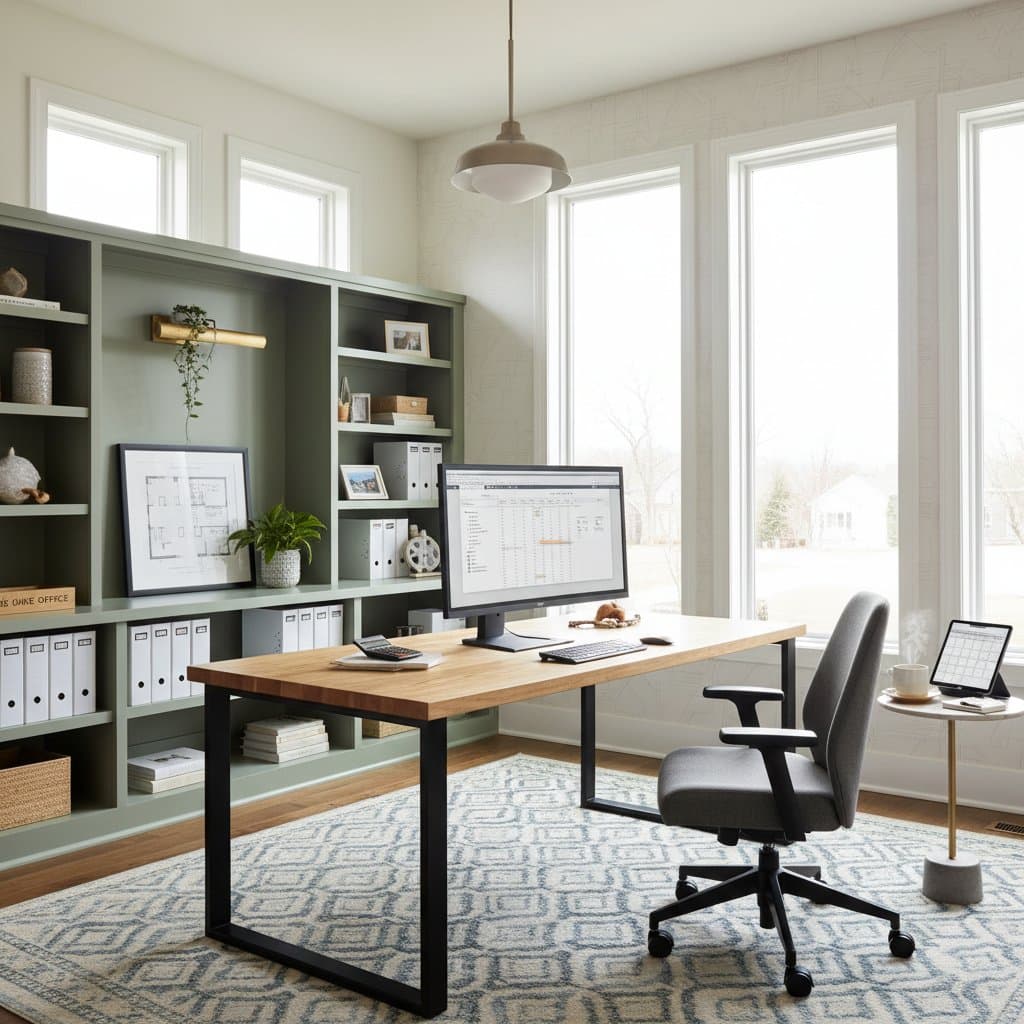
Convert your home workspace into a strategic tax advantage. Understand exclusive-use requirements, renovation options, and meticulous record-keeping to secure substantial 2026 home office deductions. Gain insights into transforming routine expenses into significant financial relief and improved work efficiency.
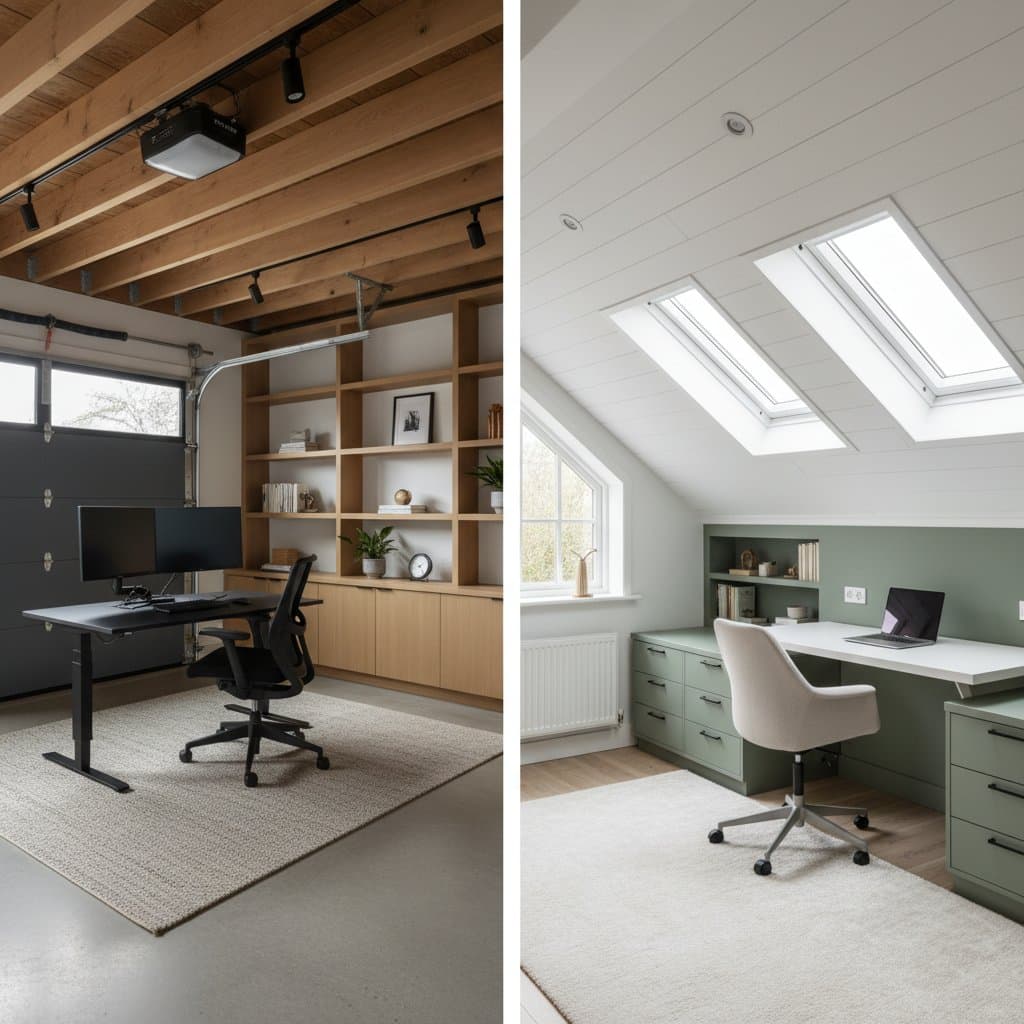
Converting a garage or attic into a home office typically ranges from $6,000 to $40,000, influenced by factors such as space size, insulation needs, and material choices. A thoughtful approach ensures enhanced home value, personal comfort, and dedicated privacy. Focus on critical elements like heating, ventilation, air conditioning, electrical systems, and building code adherence to build a reliable, professional environment suited to year-round use.
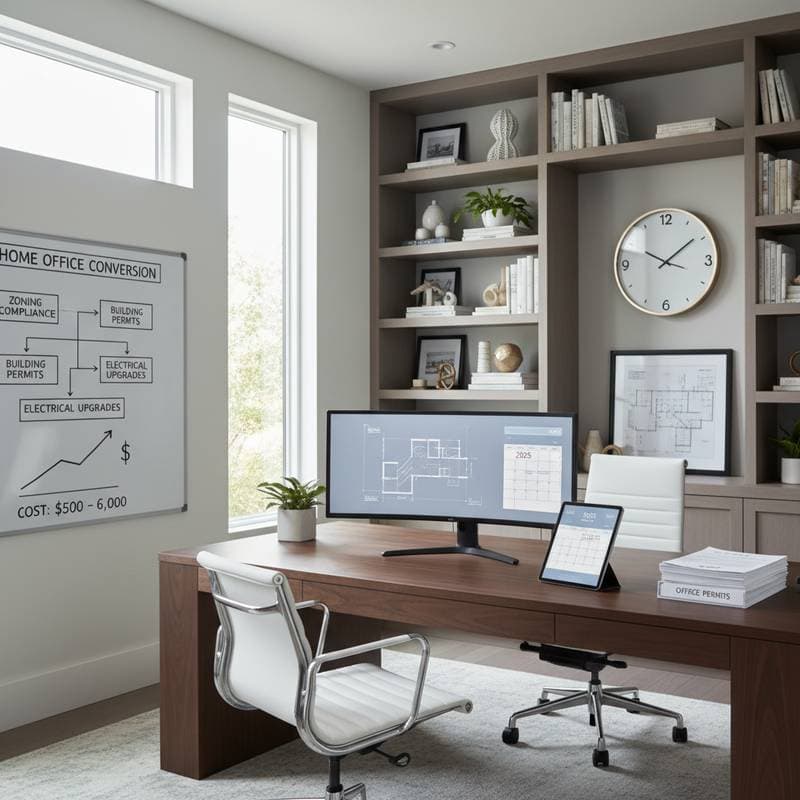
Legal home office setups in 2025 range from $500 to $6,000, averaging $2,800 for zoning, electrical permits, and inspections. Compliance protects insurance, increases resale value by up to 8 percent, and unlocks tax benefits. Discover ways to cut costs through professional help, bundling, and strategic planning for a valuable workspace.
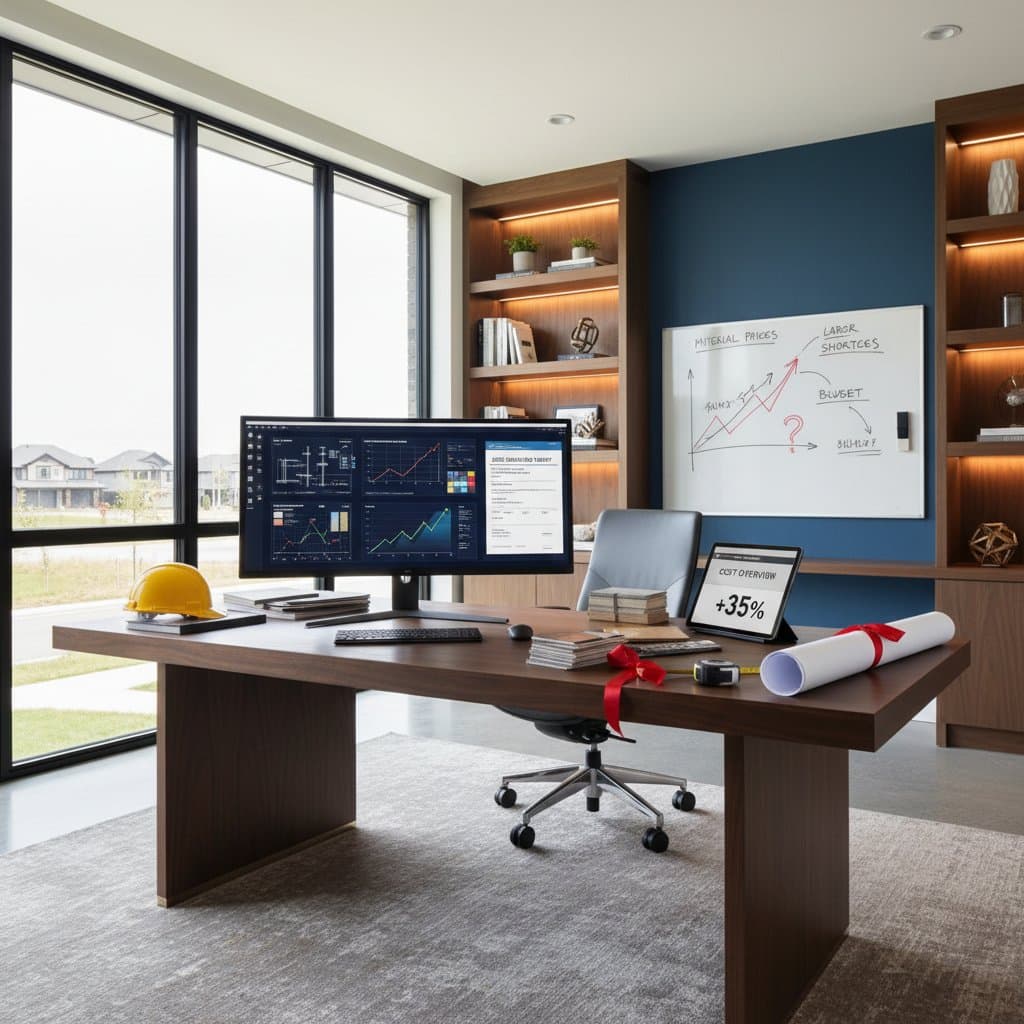
Home office remodel costs rose 35% in 2025 amid material inflation, tighter regulations, and worker shortages. This guide details the drivers—from supply disruptions to project expansions—and offers strategies for budgeting, contracting, and safeguarding your investment to maintain property value.
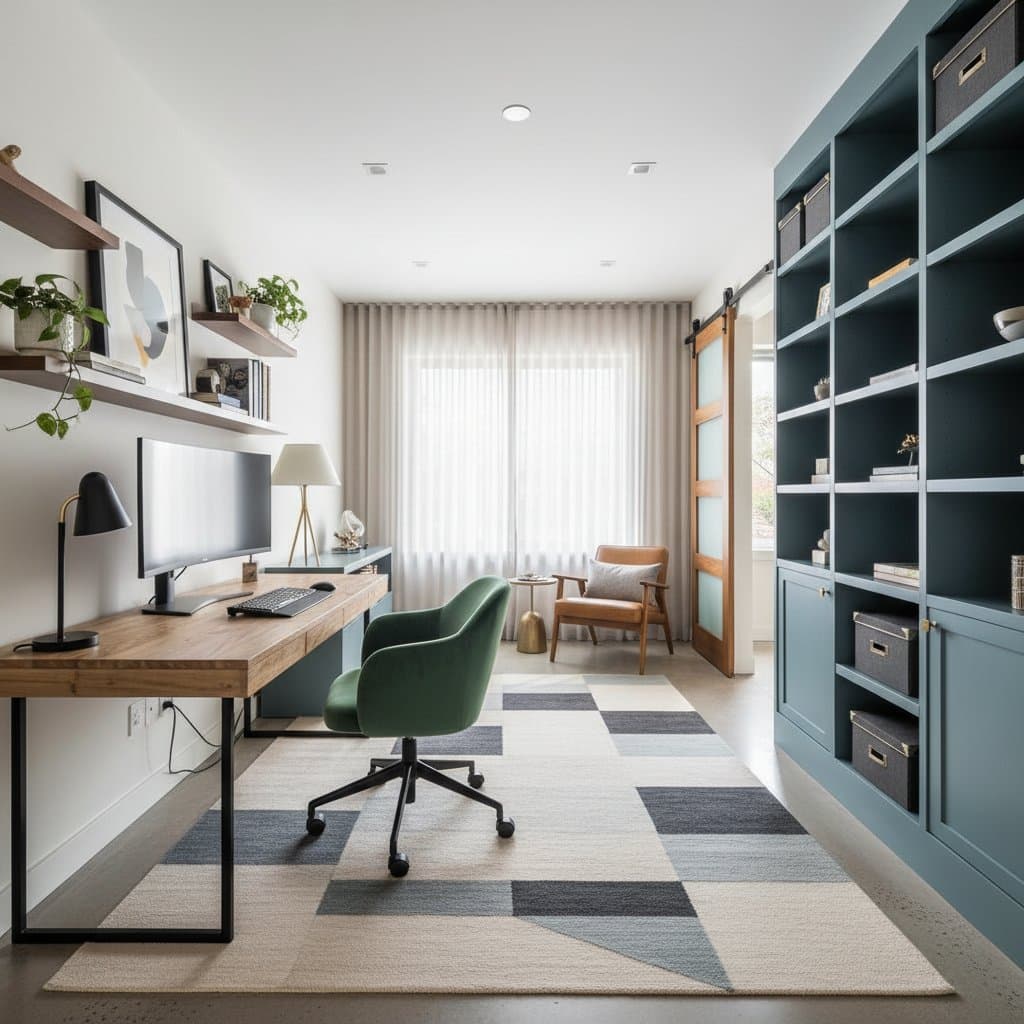
Converting a spare room into a home office enhances comfort, concentration, and property value, yet expenses range broadly. Quick updates start at $3,000, while comprehensive remodels reach $25,000. Effective planning, adherence to permits, and expert involvement guarantee safety, functionality, and enduring benefits. Understand the key elements that shape expenses, quality, and user satisfaction.