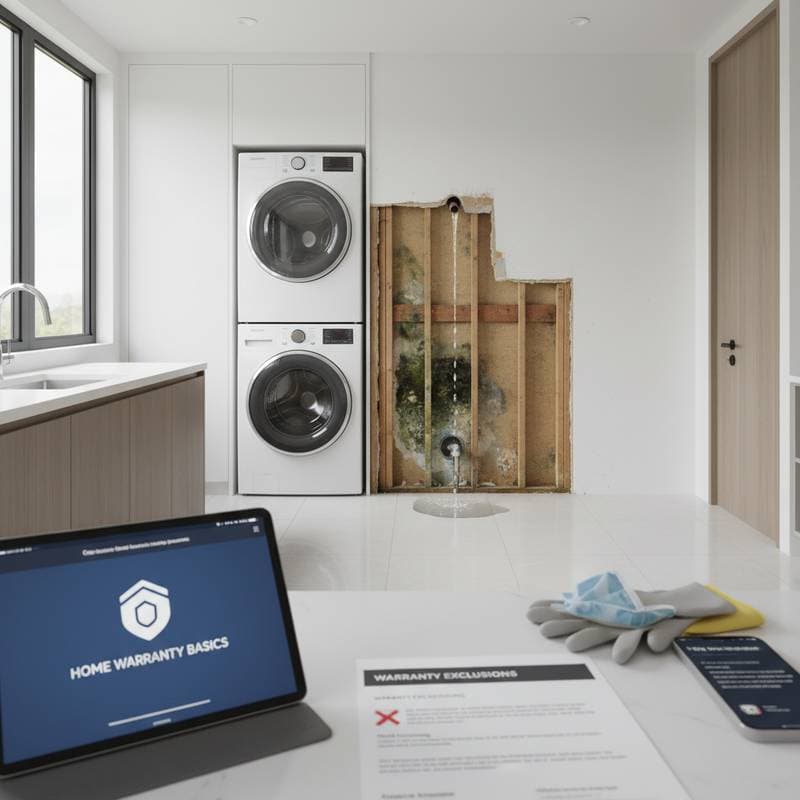
Understanding Home Warranties and Mold Coverage
Home warranties provide coverage for repairs and replacements of major home systems and appliances. These plans typically address mechanical failures but often exclude issues related to maintenance or environmental hazards. Mold damage falls into this category, leaving many homeowners surprised when claims are denied.
Mold thrives in damp, humid environments and can cause significant structural damage if left unchecked. While warranties focus on functional breakdowns, mold is viewed as a preventable condition requiring regular upkeep. This distinction is crucial for understanding coverage limitations.
Key Reasons for Mold Exclusions
Home warranty providers classify mold as a maintenance responsibility rather than a covered peril. Policies emphasize repairs for sudden breakdowns, such as a burst pipe, but not the resulting secondary issues like mold growth. This approach keeps premiums affordable by avoiding broad environmental claims.
Exclusions often stem from policy fine print that lists mold, mildew, and fungi separately. Providers argue that proactive measures, like ventilation and moisture control, prevent such problems. Without evidence of a covered event directly causing the mold, claims face rejection.
Certain triggers accelerate exclusions. For instance, neglect in addressing known leaks or high humidity voids coverage. Policies may also deny claims if mold predates the warranty period or appears in pre-existing conditions.
Limited Scenarios for Coverage
Coverage applies in narrow circumstances where mold results from a covered mechanical failure. If a plumbing leak, protected under the warranty, leads to mold growth, remediation might qualify as an extension of the repair. Documentation proving the causal link is essential for approval.
Some plans offer optional add-ons for mold-related issues, though these remain rare and costly. Review policy details during enrollment to identify any such provisions. Even then, coverage caps and deductibles limit financial relief.
Professional assessment strengthens claims in these cases. An inspector can trace mold origins to a warrantied component, providing the evidence needed. Act quickly to mitigate further damage and preserve eligibility.
The Financial Impact of Mold Remediation
Mold removal costs vary based on infestation size and location. Minor surface cleaning might range from $500 to $1,500, while extensive structural work can exceed $10,000. These figures highlight the importance of early detection to control expenses.
Homeowners insurance sometimes covers mold if it arises from a sudden event, like a pipe burst, but excludes gradual seepage. Overlap between warranties and insurance creates confusion, so consult both providers. Out-of-pocket payments often become necessary without clear coverage.
Budget for potential costs by setting aside funds for home maintenance. Regular inspections prevent escalation, saving thousands in remediation fees. Understand that warranties rarely offset these burdens fully.
Prevention Strategies for Homeowners
Maintain consistent humidity levels below 60 percent using dehumidifiers and exhaust fans. Inspect attics, basements, and crawl spaces quarterly for signs of moisture intrusion. Address leaks immediately to halt mold development.
Improve ventilation in high-risk areas like bathrooms and kitchens. Install mold-resistant materials during renovations, such as drywall with antimicrobial coatings. These steps reduce risk without relying on warranty support.
Schedule annual professional inspections to catch hidden issues. Educate household members on spotting early warning signs, like musty odors or discolored walls. Proactive habits safeguard health and property value.
Navigating Claims and Professional Assistance
File claims promptly with detailed documentation, including photos and timelines. Contact your warranty provider to clarify mold-related policies before repairs begin. Persistence may uncover partial coverage options.
Engage certified mold remediation specialists for assessments and cleanup. They follow industry standards to ensure safe removal and prevent recurrence. Avoid DIY attempts, as improper handling spreads spores and complicates future claims.
When mold threatens health or structure, prioritize evacuation and professional intervention. Delays amplify costs and risks, underscoring the need for swift action beyond warranty limitations.
Securing Your Home Against Unseen Threats
Integrate mold prevention into routine home care to minimize financial surprises. Explore supplemental insurance riders for broader protection against environmental damages. Knowledge of warranty boundaries empowers informed decisions.
Homeowners who stay vigilant preserve their investments and well-being. Regular upkeep not only avoids costly repairs but also maintains a healthy living environment. Take control today to fortify your home for the long term.