Unpacking Home Battery Warranties: Coverage Details and Key Exclusions
Home battery systems deliver energy independence and backup power during outages, yet warranties can include intricate terms that challenge homeowners. These policies aim to shield against early failures and defects, but conditions frequently reduce their practical benefits. Homeowners benefit from reviewing coverage details prior to purchase to secure both financial safeguards and enduring system performance.
Clarifying the Warranty Scope
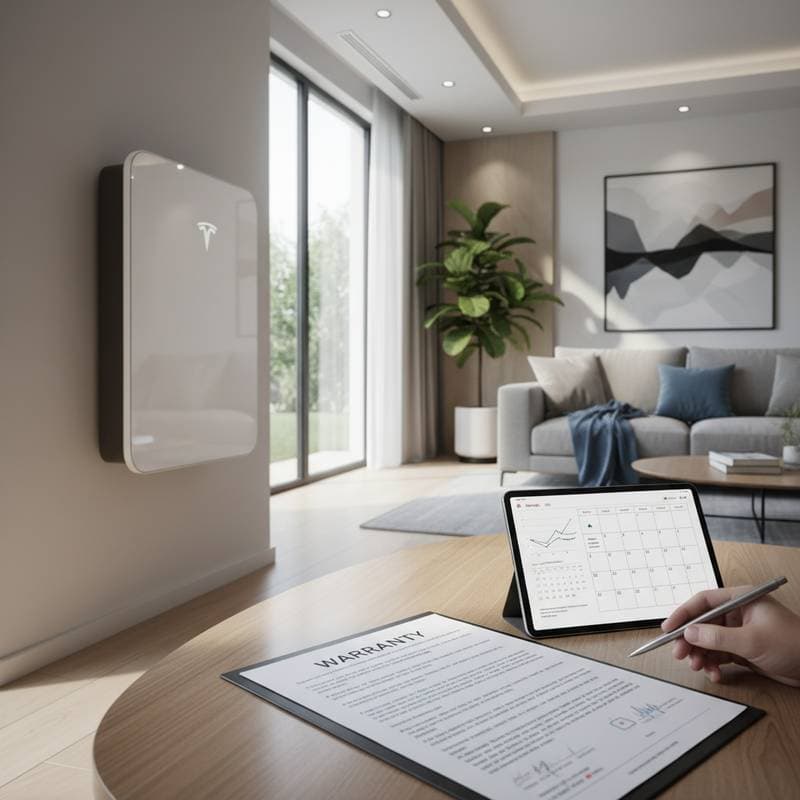
Home battery warranties generally address the system's capacity to store and supply energy according to defined benchmarks. Manufacturers commit to maintaining a designated portion of initial capacity over specified cycles or time periods. Such guarantees confirm that degradation occurs no quicker than anticipated. Certain warranties encompass the inverter and control systems, whereas others focus solely on battery cells.
Warranties differentiate between performance guarantees and product defect protections. Performance guarantees pertain to energy retention levels, while defect protections handle manufacturing flaws. Homeowners often assume that any capacity decline triggers replacement, but eligibility arises only when degradation surpasses the stipulated limit. To evaluate a warranty, examine the exact capacity retention percentage, such as 70 percent after 10 years, and verify inclusion of ancillary components like inverters.
Navigating Costs and Additional Requirements
Warranties impose no upfront charges, but claims may involve expenses for diagnostics, labor, or transport. Some manufacturers absorb these costs fully, while others require homeowner payment. When selecting a system, compare service provisions among brands beyond basic guarantees; for instance, check if on-site repairs occur without fees within the first five years.
Installers might offer extended warranties that cover expedited service and replacements. These add-ons can overlap with standard manufacturer terms, leading to unnecessary outlays. Request comprehensive written documentation and clarify how third-party plans interact with original coverage. Actionable step: Compile a side-by-side chart of costs, including potential deductibles, to identify the most cost-effective option.
Step-by-Step Claim Submission and Resolution
Initiate a claim by reaching the installer or manufacturer support team. Provide evidence of certified installation and access to monitoring data that tracks performance metrics. Following initial assessment, a technician inspects the unit to confirm the issue. Approval hinges on alignment with warranty criteria for defects or excessive degradation.
Upon validation, options include repair, full replacement, or prorated compensation instead of outright refunds. Policies permit refurbished components in many instances, diverging from expectations of brand-new units. Rejections frequently stem from installation errors, user mishandling, or external factors. To strengthen claims, photograph the system regularly and log maintenance activities, ensuring swift evidence availability.
Identifying Frequent Exclusions and Rejection Triggers
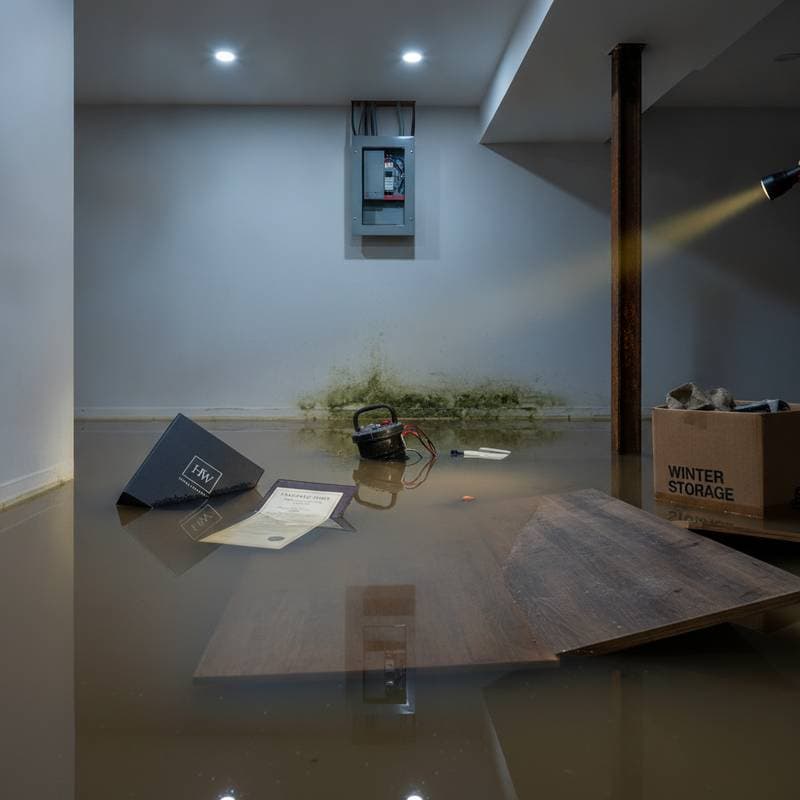
Warranties outline exclusions to manage liability, such as harm from flooding, non-approved modifications, or electrical surges. Coverage lapses if operations fall outside temperature guidelines or if updates remain unapplied. Moving the battery without prior consent also nullifies protection.
Normal usage accounts for gradual capacity loss within permitted bounds, distinguishing it from warrantable defects. Installation shortcomings, like inadequate wiring or circuit sizing, jeopardize claims. Review policies for specifics: One brand might exclude surge damage unless a certified protector installs, while another voids coverage for temperatures exceeding 104 degrees Fahrenheit. Proactive measure: Consult installation guides to preempt these pitfalls during setup.
Assessing Broader Financial Impacts
Warranties mitigate targeted risks but overlook expenses like reinstallation labor, freight, or unit disposal, which can total several hundred dollars per incident. Aggregate limits cap overall reimbursements across claims, regardless of frequency. Factor these into ownership calculations by estimating annual service probabilities against energy bill reductions.
Professional setup and scheduled inspections enhance reliability beyond warranty reliance. Compute total ownership costs, incorporating potential partial credits, to align with savings projections. For example, a system saving $500 yearly justifies $200 in maintenance if it extends lifespan by two years.
Steps to Secure and Maximize Warranty Benefits
Examine each warranty provision meticulously before finalizing purchases, seeking clarifications on ambiguities in writing. Maintain meticulous records of installation certificates, service logs, and performance snapshots to support future assertions.
Integrate warranties into a comprehensive maintenance plan, scheduling annual checks to detect issues early. This approach transforms the policy from mere assurance to a robust ally, ensuring the home battery system provides consistent power and optimal returns over its full duration.